
Yoga Wheel work can be a surprisingly effective way to get a deeper stretch without forcing flexibility, especially when your upper back feels locked, your hip flexors feel short, or you keep “cheating” in poses like camel and bridge.
A lot of people buy a wheel, try one backbend, feel a big sensation, then leave it in the closet. The tool isn’t the issue, the setup and progression usually are. When you treat it like a prop for support, not a shortcut to dramatic shapes, it becomes much more useful.
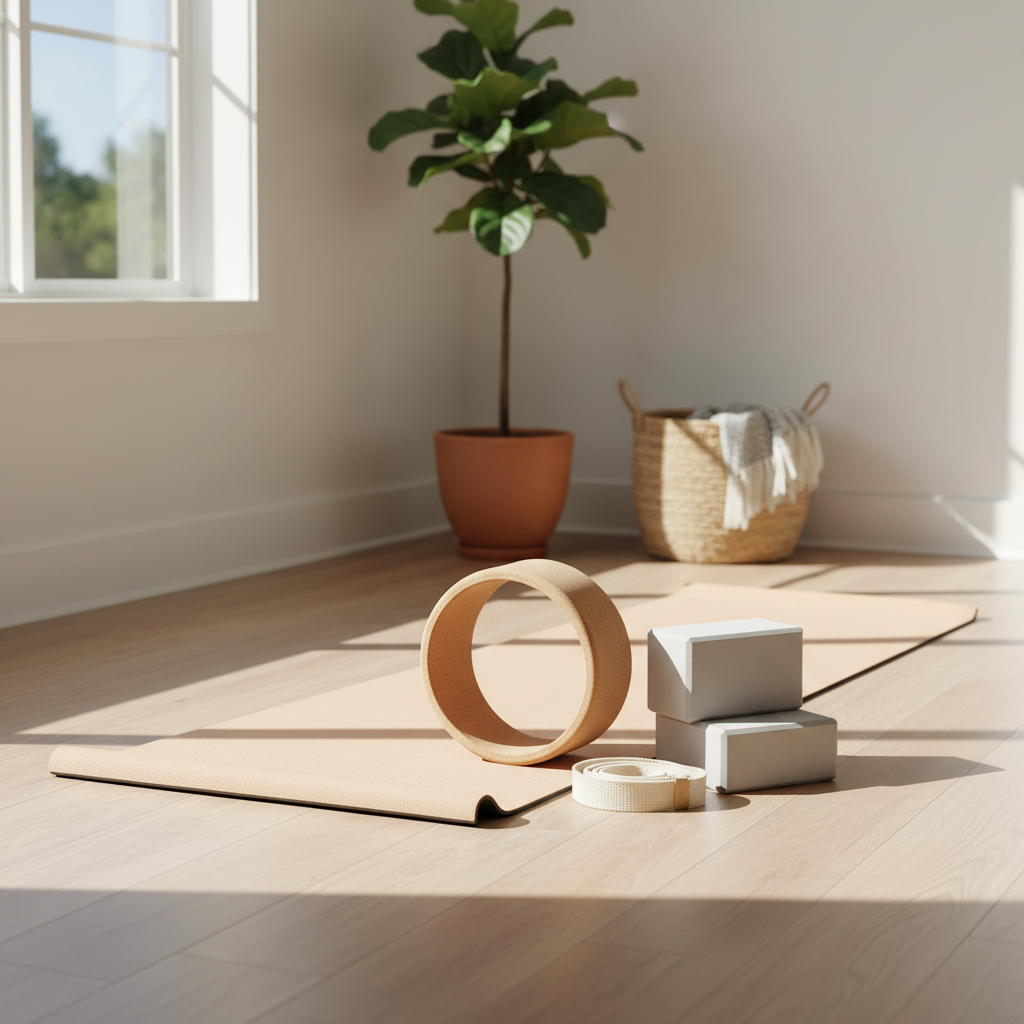
This guide focuses on deep stretching with a wheel, what it helps with, how to judge if it’s right for you today, and a few go-to sequences that feel good in real life, not just on social media. If you have a history of back, neck, wrist, or shoulder issues, keep the “safer first” mindset and consider guidance from a qualified instructor or clinician.
Why a yoga wheel changes the stretch (and why it can feel intense)
The wheel adds a curved surface, which changes leverage and contact points. That’s why the stretch can feel deeper even with less effort, but it also explains why people sometimes overdo it on day one.
- It supports spinal extension: the curve encourages gentle thoracic opening, which many people struggle to access on a flat floor.
- It “lifts” you into range: instead of yanking your body into a position, the wheel can hold you where you are and let tissues adapt.
- It improves positioning feedback: you can tell quickly if your ribs flare, your neck jams, or your pelvis dumps forward.
- It can reduce wrist load: for some, this makes shoulder openers and supported backbends more accessible than hands-on-the-floor options.
According to American Council on Exercise (ACE), flexibility work is most useful when it’s gradual and controlled, not a “push harder” contest. With a wheel, the control part matters even more because the prop can multiply the sensation.
Quick self-check: is deep stretching with a wheel a good idea today?
Before you roll into anything dramatic, use this quick checklist. If you answer “yes” to the caution items, keep it gentle or skip wheel backbends for now.
Green lights
- You feel general tightness in chest, lats, hip flexors, or upper back, not sharp pain.
- You can breathe slowly through stretches and keep your jaw and neck relaxed.
- You’re able to engage your core lightly without holding your breath.
Caution flags
- Pinching in the low back or front of the shoulder during extension.
- Numbness, tingling, radiating pain, or dizziness in backbend-like shapes.
- Recent injury, surgery, or a condition where extension is restricted, which a professional should screen.
If anything feels sharp, unstable, or “electric,” stop. In many cases, that’s a sign to modify, use a smaller range, or consult a qualified professional for a tailored plan.
Choosing the right wheel: size, firmness, and what matters for deep stretch
Not all wheels feel the same. For deep stretching, comfort and stability beat “harder is better.”
| Feature | What it affects | Practical pick |
|---|---|---|
| Diameter | How strong the backbend/curve feels | Standard size for most; smaller can feel more intense on the spine |
| Width | Balance and comfort across the back | Wider often feels steadier for beginners |
| Padding/texture | Grip and pressure points | Moderate padding helps longer holds without distraction |
| Weight rating/stiffness | Stability under load | Firm wheel that doesn’t flex noticeably under you |
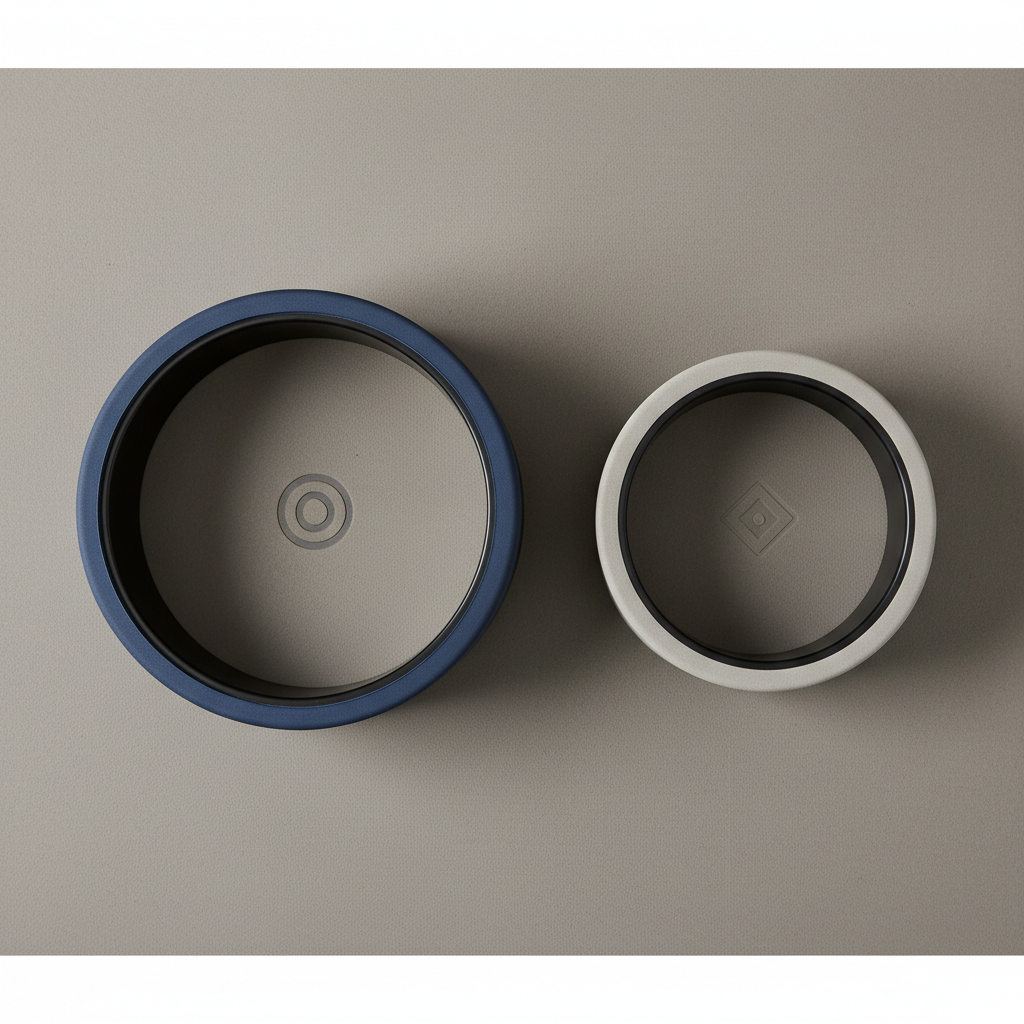
One small reality: if you’re very stiff through thoracic spine, a smaller wheel can feel like it “digs in.” Many people do better starting with a standard wheel and using a towel for extra padding when needed.
How to use a yoga wheel for deep stretching (3 routines that cover most needs)
These are simple on purpose. The best routine is the one you repeat, with calm breathing and predictable setup.
1) Upper back + chest opener (thoracic extension)
- Sit on your mat, place the wheel behind you.
- Bring your mid-back onto the wheel, knees bent, feet grounded.
- Keep ribs from flaring by lightly drawing the front ribs down, think “long belly.”
- Reach arms overhead or cactus arms, breathe 5–8 slow breaths.
- Roll a few inches up or down your upper back, repeat, avoid the low back as the main hinge.
If you feel the stretch mostly in low back, you’re likely extending from the wrong place. Slide slightly higher and reduce range.
2) Lat + shoulder line opener (great if overhead mobility feels stuck)
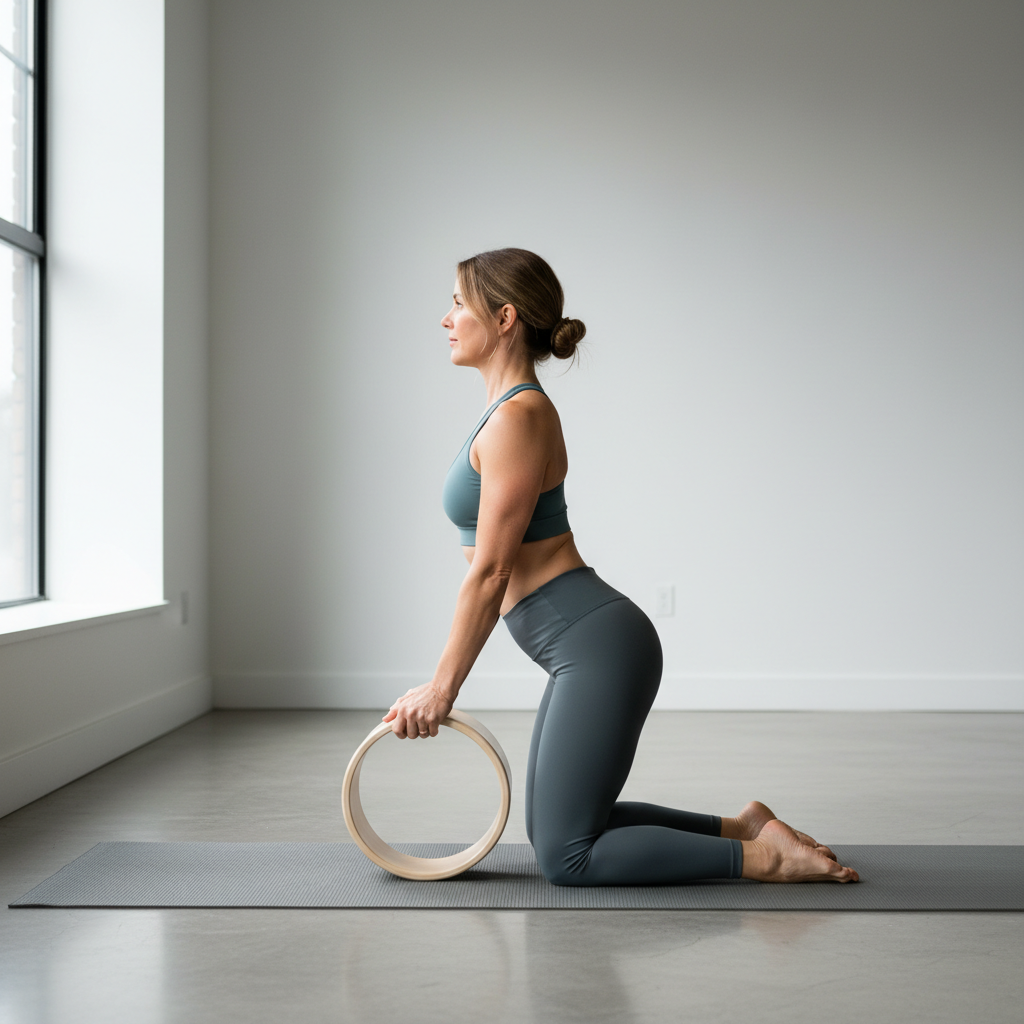
- Kneel facing the wheel, place forearms on top, elbows shoulder-width.
- Hinge hips back gently, keep spine long, let chest soften toward the floor.
- Turn palms up for a stronger shoulder stretch, or keep palms down if it feels too much.
- Hold 30–60 seconds, 2 rounds.
This one tends to reveal whether your limitation is lats, shoulders, or ribcage control. If your ribs pop forward, shorten the stretch and focus on exhaling fully.
3) Hip flexor + quad opener (supported lunge variation)
- From a low lunge, place the wheel beside your front hip for balance support.
- Squeeze back glute lightly, tuck pelvis just enough to feel front-of-hip lengthen.
- Option: reach same-side arm overhead and slightly toward the opposite side for a fuller line.
- Hold 30–45 seconds each side, 2 rounds.
This is where a Yoga Wheel helps without being the “stretch surface.” It’s still deep stretching, just with better stability and less wobble.
Technique details that make stretching safer and more effective
Most wheel problems come from two habits: moving too fast and losing alignment when the sensation rises. These cues keep you honest.
- Breathe like you mean it: slow exhale usually reduces guarding. If you can’t exhale smoothly, you’re too deep.
- Control the ribcage: flared ribs often dump stress into low back and front shoulders.
- Neck stays long: avoid throwing the head back. Look toward the ceiling or slightly back, not to the wall behind you.
- Use time, not force: 30–60 seconds with calm breath tends to beat aggressive bouncing.
- Exit slowly: coming out is when people tweak something, especially after long holds.
According to National Center for Complementary and Integrative Health (NCCIH), yoga can support flexibility and well-being, but practices should be adapted to individual needs and limitations. A wheel is just a prop, your body still calls the shots.
Common mistakes (the ones that waste time or create flare-ups)
A deep stretch should feel strong, but not alarming. If the after-feel is cranky or you feel “compressed,” it’s usually one of these.
- Letting the low back do all the work: the wheel should encourage upper back opening, not a lumbar hinge.
- Trying to straighten legs too soon: bent knees often make supported backbends safer and more controllable.
- Hunting for maximum range every session: flexibility tends to respond to consistency, not constant intensity.
- Ignoring shoulder position: if shoulders roll forward, the front shoulder can feel pinchy fast.
- Using the wheel on slippery flooring: stability matters, use a mat and move slowly.
If you notice soreness that feels jointy rather than muscular, back off range, add more support, or swap to a different drill for a week.
When to get professional help (and what to ask for)
If you’re using a Yoga Wheel to “fix” persistent pain, that’s the moment to slow down and get another set of eyes. Stretching can help certain patterns, but it can also irritate issues that need strength, motor control, or a medical evaluation.
- Symptoms like numbness, tingling, weakness, headaches triggered by backbends, or pain that worsens over time merit professional input.
- Ask a qualified yoga teacher for alignment and regressions specific to your body, not just a harder variation.
- If you suspect injury, consider a licensed physical therapist or medical professional, especially when daily activities hurt.
It’s normal to want progress quickly, but the most “advanced” move is choosing the right intensity for your current tissues.
Conclusion: a realistic way to make the wheel part of your routine
If you want deep stretching that actually sticks, use the wheel as a steady support, stay in a range where breathing stays smooth, and repeat a short routine three or four times per week instead of chasing a new pose every day. Pick one upper-back opener and one shoulder or hip drill, keep notes on what feels better the next morning, and adjust from there.
Key takeaways: go slower than you think, keep ribs and neck under control, and treat discomfort as information, not a challenge.
If you’re ready to try it, start with the thoracic opener, then add the lat stretch, and finish with a gentle hip flexor hold, that sequence covers a lot of modern-day tightness without turning your session into a circus.
FAQ
How long should I hold a yoga wheel stretch for flexibility?
Many people do well with 30–60 seconds per position, focusing on steady breathing. If you can’t relax your face or exhale fully, shorten the hold and reduce depth.
Can a yoga wheel help improve backbends safely?
It can, especially for upper-back mobility and chest opening, because it provides support. Safety depends on alignment and not collapsing into the low back, so start with bent knees and small range.
Why does my lower back feel sore after using a wheel?
Often it means the lumbar spine took the main load. Shift the wheel higher toward the mid-back, keep ribs from flaring, and limit how far you extend until the sensation moves away from the low back.
Is a yoga wheel good for tight shoulders and lats?
Yes, the forearms-on-wheel lat stretch can be very effective, but it’s easy to compensate with rib flare. A slower exhale and a smaller hinge usually makes the stretch more targeted.
Should beginners use a yoga wheel?
Beginners can use it, but the smartest entry point is supported openers and balance support, not full wheel backbends. If you’re unsure, a class or a session with a trained teacher can speed up learning.
What’s the difference between stretching on the wheel and foam rolling?
A wheel is more about supported shapes and joint positioning, while foam rolling is more like pressure-based soft tissue work. They can complement each other, but they feel very different in the body.
Can I use a yoga wheel every day?
Light mobility and gentle holds are often fine daily, but intense backbends or long deep sessions may need recovery time. If you notice lingering soreness or irritability, scale back frequency or depth.
If you’re using a Yoga Wheel consistently but still feel stuck, or you want a more structured plan that matches your mobility level and training goals, a short check-in with a qualified yoga instructor can help you pick the right progressions and avoid the common “too much too soon” trap.