
The best hybrid bike for commuting is the one that matches your route, body fit, and maintenance tolerance, not the one with the fanciest parts list.
If your commute mixes rough pavement, curb cuts, light gravel shortcuts, or you just want a calmer ride than a road bike, a hybrid can feel like the “finally” moment. But hybrids also vary a lot: some lean fast and sporty, others are closer to an upright city bike with racks and fenders in mind.
This guide helps you pick a commuter-ready hybrid for 2026 by focusing on what actually changes your day-to-day ride: geometry, gearing, tires, brakes, and the boring accessories that keep you dry, visible, and on time. I’ll also point out the common traps, like overpaying for speed you won’t use or ignoring fit until your wrists complain.

What “best” means for a commuting hybrid in 2026
For commuting, “best” usually means you get a bike that feels stable in traffic, rolls efficiently, and doesn’t demand constant tinkering. Speed matters, but reliability and comfort tend to decide whether you keep riding in week three.
Most commuters in the US end up in one of these buckets:
- Short, urban rides (1–5 miles): comfort, quick starts, and easy locking often beat top speed.
- Mid-length rides (5–12 miles): fit, gearing range, and flat protection start to matter more.
- Longer rides (12+ miles): weight, tire efficiency, and hand positions become the difference between “fine” and “why did I do this.”
Also, commuting punishes weak choices: thin tires that pinch-flat, brakes that fade in rain, drivetrains that hate road grit, and bikes with no practical mounting points for a rack or fenders.
Hybrid vs road vs gravel vs e-bike: a quick reality check
A hybrid is typically a flat-bar bike with medium-width tires, designed to be easier to handle than a road bike while staying quicker than many comfort cruisers. It’s a practical middle ground, but it’s not the answer for every rider.
- Choose a hybrid if you want stable handling, simple controls, and room for commuter tires plus accessories.
- Choose a road bike if your route is smooth, you want drop bars, and you prioritize speed over rough-road comfort.
- Choose a gravel bike if your “commute” includes real gravel, chunky paths, or you want drop bars with big tire clearance.
- Consider an e-bike if hills, heat, or time constraints keep you from riding consistently, but plan for higher cost and battery logistics.
According to the U.S. Department of Transportation, visibility and predictable riding behavior are key to reducing crash risk, so whatever you buy, budget for lights and reflective touches rather than treating them as optional.
Key specs that actually matter (and what to ignore)
Specs can read like alphabet soup, so here’s the commuter version: pick the parts that reduce friction in real life, and don’t obsess over upgrades you won’t feel.
Frame & fit
- Fit beats brand: a slightly “less premium” bike that fits well often rides better than an expensive one that doesn’t.
- Geometry: more upright usually means easier shoulder/neck comfort; more aggressive can feel faster but less forgiving.
- Mounts: look for rack and fender eyelets, plus at least two bottle cage mounts if you ride longer.
Tires (quietly the biggest commuting upgrade)
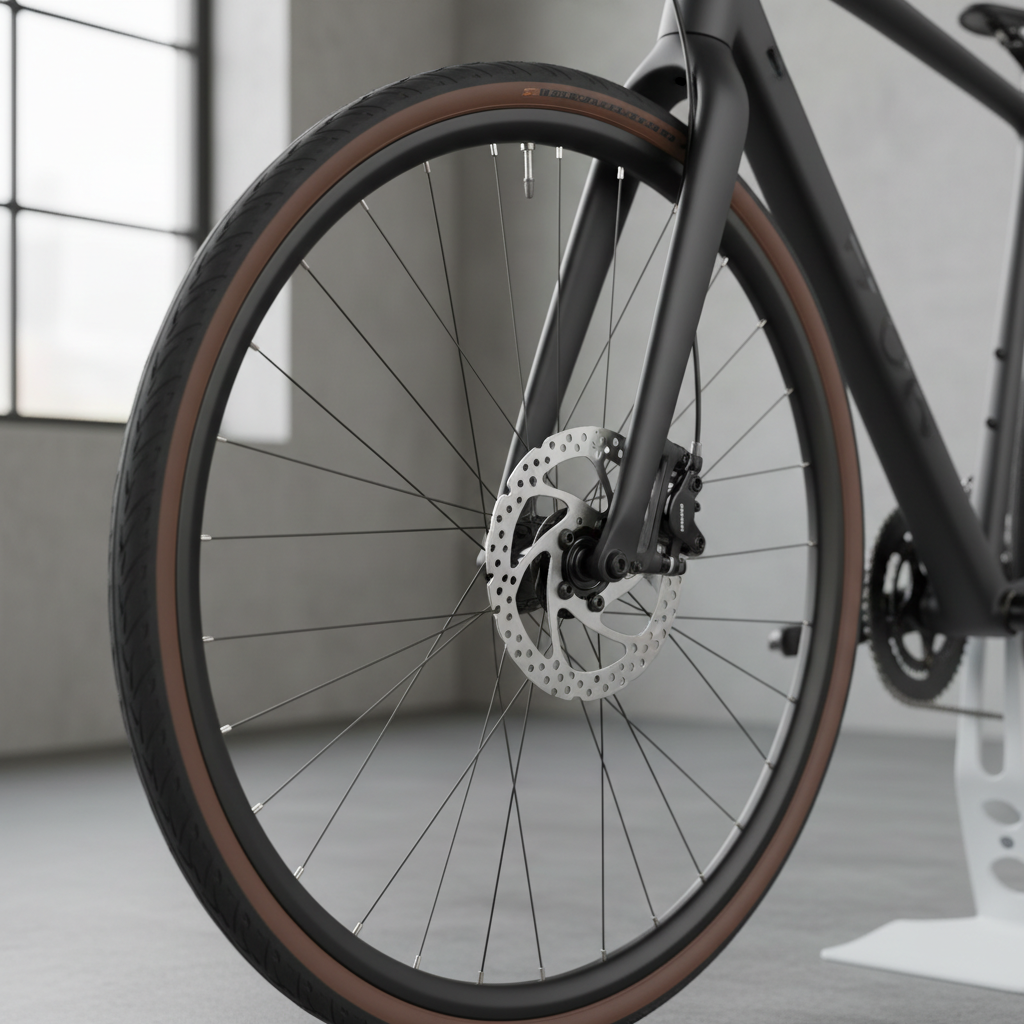
- Width: many commutes love 35–45 mm; it smooths cracks without feeling slow.
- Puncture protection: worth paying for if you hate being late.
- Tubeless-ready: nice if you’ll maintain it; otherwise, good tubes and tires still work great.
Brakes
- Hydraulic disc: strongest all-weather feel with less hand fatigue, often a sweet spot for daily riding.
- Mechanical disc: simpler, cheaper, easier to adjust, but lever feel can be less refined.
- Rim brakes: still fine on dry commutes, but wet performance and rim wear can be tradeoffs.
According to the National Highway Traffic Safety Administration (NHTSA), being seen and being predictable are central to safety, so braking confidence plus lighting is a practical pairing, not a luxury.
Gearing and drivetrain
- 1x drivetrains: one shifter, fewer parts, easier cleaning, often enough range for moderate hills.
- 2x/3x drivetrains: more gear range, helpful for steep areas, but slightly more to adjust.
- Internal gear hub + belt: very low mess and maintenance in many cases, but higher upfront cost and fewer shops stock parts.
Suspension: usually optional
Basic suspension forks can add weight and maintenance. If your streets are rough, you may get more comfort from wider tires and lower pressure. If you have wrist issues or a very broken route, suspension can help, but it’s not automatically “better.”
A quick self-check: which commuter hybrid should you buy?
If you want a fast shortcut, answer these honestly. Your best hybrid bike for commuting depends on your “yes” answers more than your budget ceiling.
- Do you ride in rain or winter grime? Prioritize disc brakes, fender mounts, and corrosion-resistant components.
- Do you lock up outside daily? Favor a common brand/model for easier service, and budget for a serious U-lock.
- Do you carry a laptop, clothes, or lunch? Rack compatibility matters more than shaving 1–2 pounds.
- Are your roads full of cracks and potholes? Choose bigger tires and stable geometry over “fitness hybrid” speed.
- Do you have steep hills? Confirm low gearing, not just top-end speed.
- Do you hate maintenance? Consider 1x gearing, sealed bearings, and simpler setups.
Top commuter hybrid categories (with realistic 2026 picks)
I’m not going to pretend there’s one magical model for everyone. Instead, here are categories that map to common US commutes, with examples that are often easy to find at reputable dealers. Availability and trims can vary by year, so treat these as starting points.
| Commute type | What to prioritize | Example bikes (typical US availability) |
|---|---|---|
| All-weather daily commuter | Hydraulic discs, mounts for rack/fenders, durable wheels | Trek FX Disc, Giant Escape Disc, Specialized Sirrus (Disc trims) |
| Comfort-first, rough pavement | Wider tires, upright fit, stable handling | Cannondale Quick (upright trims), Marin Fairfax, Kona Dew |
| Fast “fitness” commute | Lighter build, quicker tires, responsive geometry | Specialized Sirrus X (sporty trims), Trek FX Sport, Cannondale Quick (sport trims) |
| Low-maintenance utility | Simple drivetrain, durable tires, accessory readiness | Priority Continuum (belt/IGH concept), some Trek/Giant city-oriented trims |
In many shops, the “best” value is actually the mid-trim: disc brakes, decent tires, and reliable shifting, without paying extra for fancy carbon parts that don’t change your commute much.
How to set up your hybrid for commuting (so it stays enjoyable)
Even the best hybrid bike for commuting can feel annoying if you skip the commuter setup. This is the part people rush, then wonder why every ride feels like a hassle.
Practical setup checklist
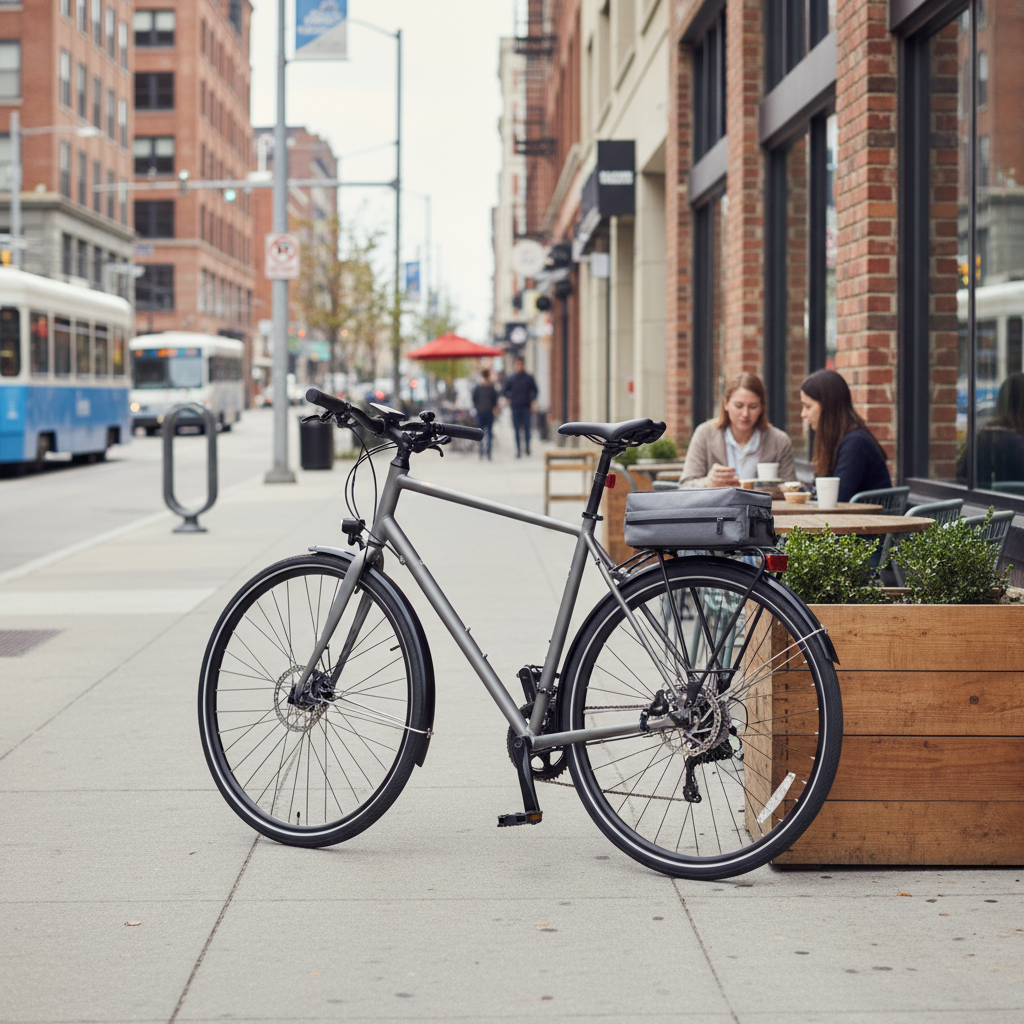
- Lights: a steady front light plus a rear light, even in daylight. Rechargeable is convenient, but remember the charging habit.
- Lock: buy the lock before you “need” it; theft risk varies by neighborhood, but commuting patterns are predictable.
- Fenders: if you ride after rain, fenders reduce grit on your drivetrain and keep you presentable.
- Rack + bag: panniers or a trunk bag beats a sweaty backpack for many riders.
- Tires: commuter tires with puncture protection save time; keep pressure in the recommended range.
- Contact points: grips, saddle, and pedal choice can transform comfort more than you’d expect.
Fit tweaks that prevent the “week two pain”
- If hands go numb, consider slightly higher bars, different grips, or a shorter reach.
- If knees ache, saddle height and fore-aft often matter more than buying a new bike.
- If your back feels tight, try a more upright position and confirm the frame size.
Persistent pain, tingling, or recurring joint discomfort can have multiple causes, so it’s reasonable to consult a professional bike fitter or a qualified clinician if symptoms don’t improve.
Common mistakes buyers make (and how to avoid them)
Most “bad” commuter purchases are predictable. The bike isn’t terrible, it’s just mismatched.
- Buying too aggressive a position: it feels fast in the parking lot, then your neck disagrees on day five.
- Ignoring mounts: no fender/rack mounts often means awkward, expensive workarounds later.
- Over-focusing on weight: for commuting, tire choice and fit usually matter more than a small weight difference.
- Under-budgeting for accessories: lights, lock, rack, and helmet can be a meaningful add-on cost.
- Choosing the wrong gearing: if you have hills, confirm a genuinely low gear, not “probably fine.”
If you want one simple rule, buy for the worst 10% of your commute, not the easiest 90%.
When to get help from a bike shop (worth it more often than people admit)
Online research is great, but a reputable local shop can save you from quiet problems you won’t notice until later, like the wrong size, brake reach issues, or a wheel that won’t stay true under commuting loads.
- Get a sizing check if you’re between sizes, have prior injuries, or feel unsure about reach and handlebar height.
- Ask about service intervals if you’ll ride year-round; maintenance needs vary by weather and storage conditions.
- Have them install commuter gear if you’re not confident aligning fenders, racks, or hydraulic brakes.
According to the League of American Bicyclists, choosing routes and equipment that support safer, more comfortable riding can help more people ride consistently, which is the real win for commuting.
Key takeaways + a practical conclusion
Picking the best hybrid bike for commuting is mostly about matching your route and habits: stable fit, commuter-ready mounts, reliable brakes, and tires that shrug off the everyday road mess.
- Prioritize fit and tires before chasing premium components.
- Plan your setup with lights, lock, and carry options, since they shape the daily experience.
- Buy for your real conditions, especially rain, hills, and rough pavement.
If you’re shopping now, make a short list of 3–5 hybrids in your budget, then test ride them on the roughest block near the shop, that small detail often tells you more than spec sheets.
FAQ
- What is the best hybrid bike for commuting if I have bad roads?
Look for wider tires (often 38–45 mm), stable steering, and disc brakes. Many riders get more comfort from tire volume than from entry-level suspension. - Is a 1x drivetrain good enough for commuting?
Often yes, especially for flatter areas and riders who want simpler shifting. If your route has steep hills or you carry cargo, confirm the low gear is truly low. - Should I prioritize hydraulic disc brakes?
For all-weather commuting, many people prefer hydraulic discs for control and reduced hand fatigue. Mechanical discs can still work well if you want simpler adjustments and lower cost. - What tire size is best for a commuter hybrid?
For mixed pavement and city cracks, mid-width tires are a common sweet spot. If your route is very smooth, slightly narrower can feel quicker, but flat resistance still matters. - Do I need fenders on a commuter hybrid?
If you ride after rain or through wet streets, fenders reduce spray and drivetrain grit. In dry climates they’re optional, but many commuters still like the cleanliness. - How much should I spend on a hybrid bike for commuting?
Budgets vary, but it’s smart to reserve money for essentials like a lock and lights. A mid-trim bike with solid brakes and tires often feels like the best value over time. - Can I commute on a hybrid bike in winter?
In many places yes, with the right tires, lights, and maintenance habits. If conditions include ice or heavy snow, consider asking a local shop about winter tire options and safe route choices.
If you’re trying to narrow choices quickly, bring your route details, storage situation, and “must carry” items to a local shop or a knowledgeable fitter, it’s often the fastest way to land on a commuter setup you’ll actually enjoy riding.