
The best bike helmet for adults is the one that fits your head shape, matches how you ride, and offers modern protection features you will actually use, not just the one with the most vents or the flashiest brand.
If you feel stuck between “road,” “MTB,” “commuter,” “MIPS,” “Virginia Tech ratings,” and a dozen price points, you are not alone. Adult helmet shopping is weirdly easy to overthink, because the wrong choice often feels fine in a quick try-on, then turns into hot spots, wobble, or a helmet you stop wearing.
This guide is built to help you decide quickly and realistically. You will get a practical checklist, a comparison table, and scenario-based picks for 2026 expectations, including rotational-impact tech, visibility add-ons, and fit systems that matter more than marketing names.
What matters most in an adult bike helmet in 2026
Helmet standards evolve slowly, but buyer expectations change fast. In 2026, most adults shopping for a solid helmet tend to prioritize three things: impact protection you can trust, comfort that stays comfortable after an hour, and practical features that fit your routes.
- Certified safety baseline: Look for a current CPSC certification label for the U.S. market. According to U.S. Consumer Product Safety Commission (CPSC) guidance, bicycle helmets sold in the U.S. must meet federal safety requirements.
- Rotational-impact protection: Many helmets use systems like Mips or brand-specific liners to reduce rotational forces in certain impacts. This is not a magic shield, but it is a meaningful differentiator in many product lines.
- Fit system quality: A stable rear retention dial and a shape that matches your head often beats “more foam” or “more vents.” If it shifts, it is harder to get consistent protection.
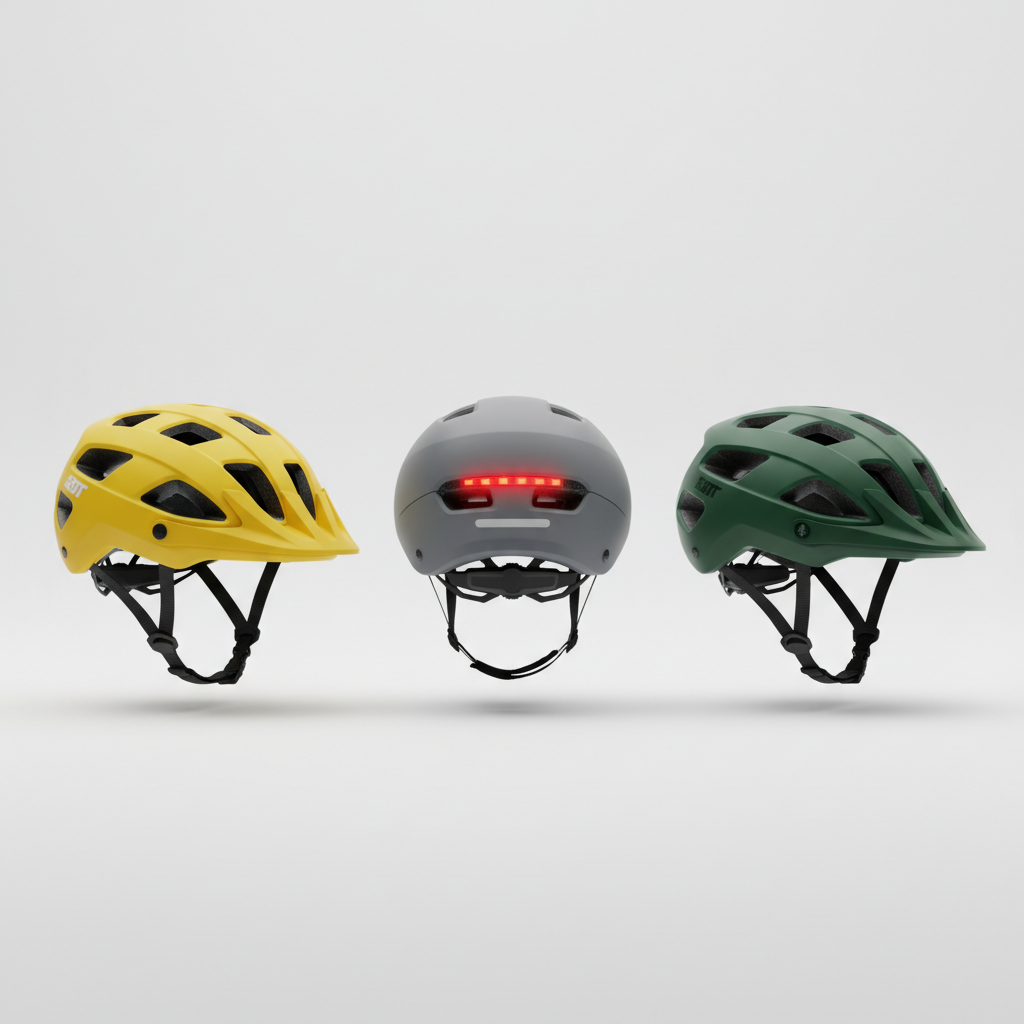
- Ventilation vs. noise vs. warmth: Road helmets often vent better, commuter lids often run quieter and warmer, and aero designs can feel noticeably hotter in summer.
- Visibility features: Integrated rear lights and reflective hits help in real traffic. They do not replace good lighting, but they reduce the chance you get missed.
One more thing people skip: weight and balance. A slightly heavier helmet that sits “right” can feel lighter than a featherweight model that perches high and wobbles.
Quick comparison table: match helmet type to your riding
Instead of trying to crown one universal winner, use this table to narrow the field. The best bike helmet for adults is typically the one aligned to your most common riding condition, not your rarest ride.
| Riding style | Helmet style that usually fits | Why it works | Watch-outs |
|---|---|---|---|
| Daily commuting | Commuter/urban | Coverage, durability, easy fit | Can run warm, fewer “race” vents |
| Road rides 1–4 hours | Road performance | Ventilation, low weight, stable fit | Less rear/temple coverage vs MTB |
| Gravel / mixed surfaces | Road or light trail | Good vents, optional visor on some | Choose coverage based on terrain |
| Trail / MTB | MTB (trail) | More coverage, visor, goggle friendly | Heavier, hotter in slow climbs |
| High-speed descents | Full-face (as appropriate) | More face/jaw protection | Heat, weight, not ideal for commuting |
| E-bike around town | Urban/commuter (sometimes speed-rated) | Visibility features, solid coverage | Check local rules, do not assume “e-bike rated” equals safer |
How to know if a helmet is “safe enough” (without getting lost)
Safety is the point, but the internet makes it feel like you need a spreadsheet and a degree. Keep it simple, then go deeper only if you want.
Start with the non-negotiables
- CPSC label inside the helmet for U.S. purchase.
- No crash history if you buy used. If you cannot verify, assume it is compromised.
- Shell and foam condition: cracks, soft spots, or separated layers are a no-go.
Then use independent ratings as a tie-breaker
According to Virginia Tech Helmet Ratings, their STAR ratings compare helmets using a lab test protocol and publish a ranked list. It is not the only way to judge safety, but it can help when you are comparing similar-priced options or deciding whether a “premium” model is actually delivering more protection.
If two helmets fit equally well, and one performs stronger in reputable independent testing, most riders treat that as a reasonable nudge.
Adult helmet fit: a 5-minute self-check that saves you money
Fit is where most purchases go wrong. People chase the best bike helmet for adults by specs, then end up with a helmet they wear tilted back because it “feels better.” That defeats the point.
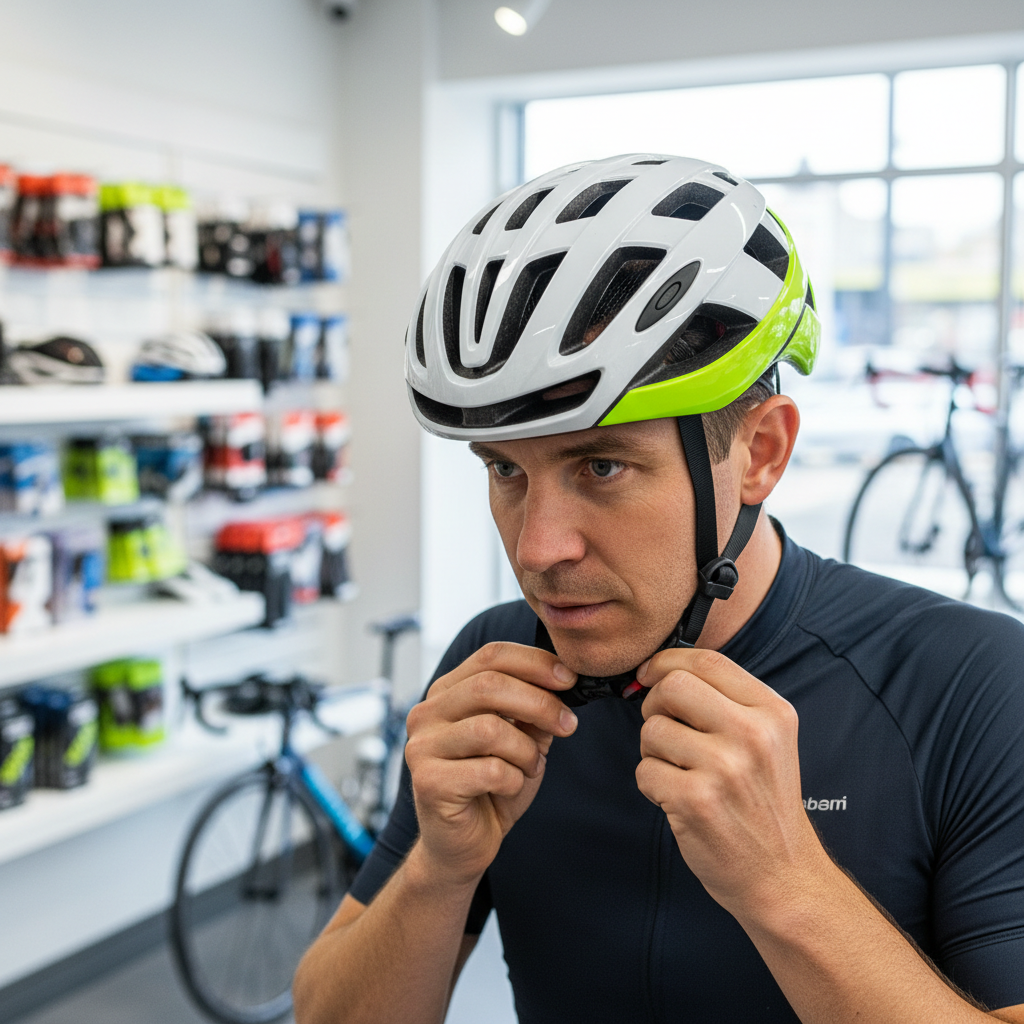
- Level position: The front edge typically sits about 1–2 finger widths above your eyebrows, not perched high, not pushed back.
- Stability test: With the straps buckled, open your mouth wide. The helmet should pull down slightly on the top of your head.
- Shake test: Gently shake your head “no” and “yes.” It should not rotate freely or slide over your forehead.
- Strap geometry: Side straps form a “V” around each ear, buckle sits under the jaw, snug but not choking.
- Pressure points: A little “new helmet” snugness is fine, sharp hot spots are not. They usually get worse with sweat and time.
If you are between sizes, many brands fit either more round or more oval. In real life, switching brands often fixes the issue faster than sizing up or down.
Scenario-based picks: what to prioritize (and what to ignore)
Below are the features that tend to matter in common adult riding scenarios, plus the traps that waste money.
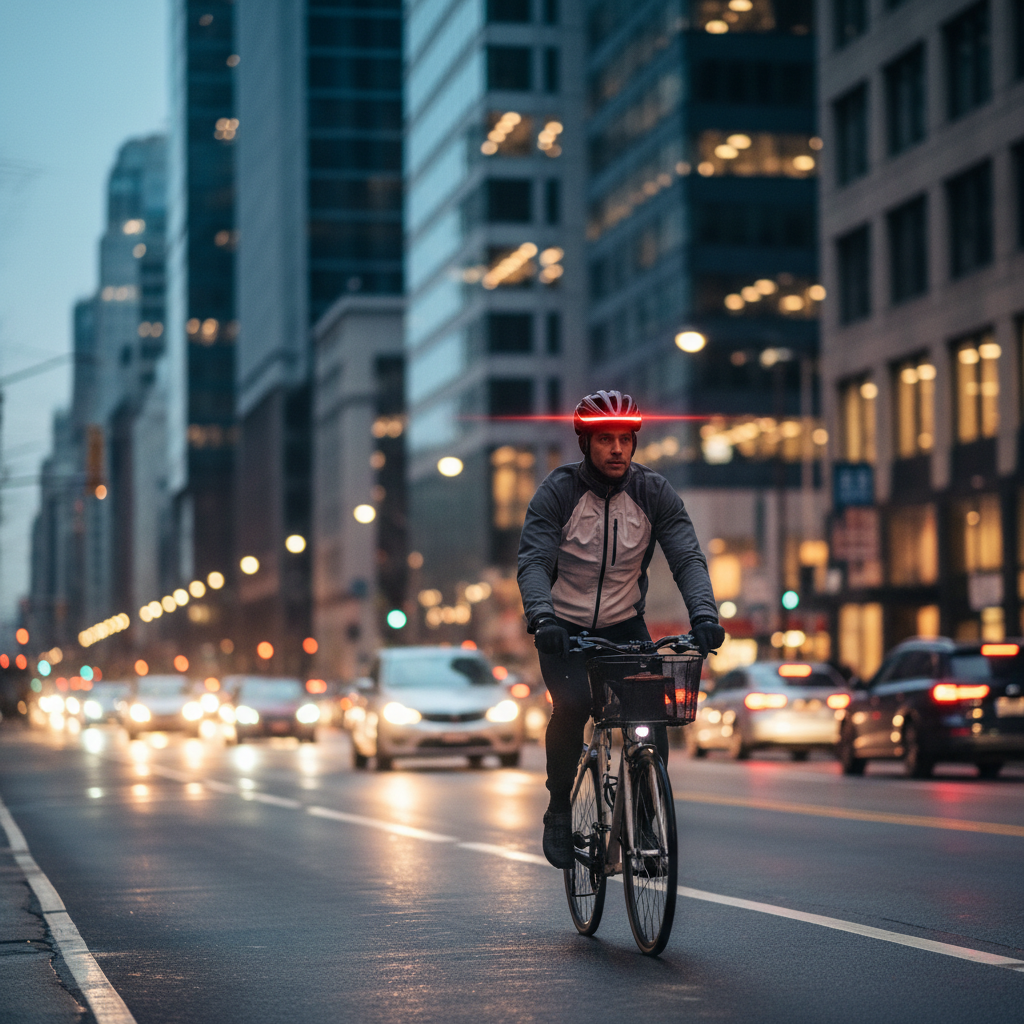
If you commute in traffic
- Prioritize: rear light integration or a solid mount, reflective details, a fit system that stays put with stops and starts.
- Nice to have: a simpler outer shell that resists daily dings, a brim/mini-visor for sun.
- Ignore: extreme vent counts if you mostly ride under 30–45 minutes and want quieter comfort.
If you ride road for fitness
- Prioritize: ventilation that matches your climate, stable retention, eyewear storage that does not rattle.
- Nice to have: sweat management padding you can actually wash.
- Ignore: aero claims unless you do fast group rides consistently, comfort tends to beat marginal gains.
If you ride gravel or mixed terrain
- Prioritize: balanced coverage, good venting at slower speeds, a shape that does not interfere with sunglasses.
- Nice to have: a removable visor, depending on sun and dust.
If you ride trails
- Prioritize: deeper rear coverage, visor adjustability, compatibility with goggles if you use them.
- Nice to have: a secure strap splitter that stays set, since trail vibration loves to loosen hardware.
Buying checklist: how to choose in-store or online
When you need a decision, use this list. It keeps you from getting hypnotized by branding and forces the basics.
- Confirm certification: CPSC for U.S. purchase.
- Pick the right category: road, commuter, trail, or full-face based on your most frequent rides.
- Check rotational-impact tech: Mips or equivalent system if available in your budget, assuming fit stays good.
- Dial in size: measure head circumference, then verify with the brand’s size chart.
- Return policy: for online orders, a friendly return window matters more than people admit.
- Heat reality: if you live in a hot state, prioritize vent design and internal channeling, not just “number of vents.”
- Hair/helmet compatibility: ponytail ports, cap use, winter headbands, these details change comfort fast.
Key point: If you cannot get the helmet stable without cranking the dial to the max, it is usually the wrong shape, not “your head being weird.”
Mistakes adults make (even experienced riders)
- Buying too big for comfort: A loose helmet can shift during impact. Comfort should come from correct shape and padding, not extra space.
- Wearing it tilted back: It looks casual, but it reduces forehead coverage.
- Assuming price equals safety: You often pay for weight, vents, and finishing details. Safety can be excellent at midrange prices when fit is right.
- Keeping a helmet too long: Materials can age, and tiny impacts add up. Many brands suggest replacement after a major impact and within a multi-year window; if you are unsure, check the manufacturer guidance for your exact model.
- Over-trusting “smart” features: Crash detection and lights are helpful, but they do not replace proper fit, strong straps, and safe riding habits.
When to replace your helmet or ask for expert help
If you have a crash where your head hits the ground, replacement is commonly recommended even if you do not see damage, because foam can compress internally. If you feel uncertain about concussion symptoms, neck pain, dizziness, or vision changes, it is wise to consult a medical professional promptly.
For fit issues you cannot solve in 10 minutes, a good local bike shop can be surprisingly efficient. They see patterns across brands and head shapes and can often spot strap routing or sizing errors quickly.
Conclusion: a practical way to pick your helmet this year
The best bike helmet for adults is rarely the most expensive model, it is the one that stays level, stays stable, and matches your riding reality. Start with CPSC certification, shortlist by riding style, then let fit and independent ratings break ties.
If you want a simple next step, pick two helmets in your budget, confirm return options, and do the 5-minute fit check at home with your usual glasses or riding cap. The right helmet should disappear on your head, in a good way.
FAQ
- What is the best bike helmet for adults for everyday commuting?
Many commuters do well with an urban-style helmet that balances coverage and comfort, plus an integrated rear light or a reliable mount. Stability matters more than extreme venting for stop-and-go riding. - Is Mips required to get a safe adult bicycle helmet?
Not strictly. A well-fitting helmet without Mips can still be protective, but rotational-impact systems are a sensible upgrade when the helmet fits equally well and stays within budget. - How do I know if my helmet fits my head shape?
If you get hot spots on the forehead or temples, or if the helmet only feels stable when the dial is cranked, it often signals a shape mismatch. Trying a different brand or model family usually solves it faster than forcing the size. - Should I buy a road helmet or MTB helmet for gravel riding?
Either can work. If your gravel routes are fast and open, a road model often feels cooler. If you ride rougher descents or want more rear coverage, a trail helmet may feel more confidence-inspiring. - How often should adults replace a bike helmet?
Replace after a significant impact, and also consider replacement if it is several years old or shows wear, since materials can degrade. Follow the manufacturer guidance for your specific helmet model when possible. - Are expensive helmets always safer?
Not always. Price often tracks weight, ventilation design, and comfort features. Safety depends heavily on certification, fit, and how consistently you wear it correctly.
If you are shopping and want a shorter shortlist, it often helps to share your riding type, climate, head measurement, and whether you prefer a rounder or more oval fit, then you can narrow to a few models without buying and returning half a dozen boxes.