
Fat loss workout plans work best when they stop trying to “destroy you” every day and start doing the boring stuff well: progressive strength training, reasonable cardio, and recovery you can repeat next week.
If you feel stuck, it’s usually not because you need a more extreme routine, it’s because your program lacks structure, your intensity is mismatched to your fitness level, or you’re doing too much cardio and not enough strength to keep muscle.

This guide gives you a practical weekly plan, how to adjust it for your schedule, and the checkpoints that tell you whether it’s working. No magic exercises, just a setup you can run for 8–12 weeks.
What “healthy fat loss” training actually prioritizes
Healthy fat loss is less about finding the perfect calorie-burning session and more about stacking habits that protect your muscle, joints, sleep, and motivation. If those fall apart, the plan rarely lasts.
- Strength training to keep or build muscle while you diet, so weight loss trends more toward fat.
- Cardio with purpose to support calorie deficit and heart health without wrecking recovery.
- Progression (adding reps, load, or volume gradually) so your body keeps adapting.
- Recovery as a training variable, not a reward you earn.
According to CDC, adults benefit from a mix of aerobic activity and muscle-strengthening activity across the week, which lines up well with sustainable fat-loss programming.
Why many fat-loss routines stall (and what’s usually behind it)
Most stalls are predictable. The frustrating part is they often look like “I’m working hard,” when the real issue is “I’m working hard at the wrong mix.”
- Too much high-intensity, not enough base work: constant all-out sessions can spike fatigue and reduce weekly consistency.
- No progressive plan: repeating the same weights and reps for weeks gives your body no new reason to change.
- Cardio crowding out lifting: long, frequent cardio can make strength sessions worse, especially in a calorie deficit.
- Recovery debt: short sleep, high stress, or soreness you never shake can flatten performance and adherence.
- Measuring the wrong signal: scale weight fluctuates; if you don’t track waist, strength, and weekly averages, you’ll misread progress.
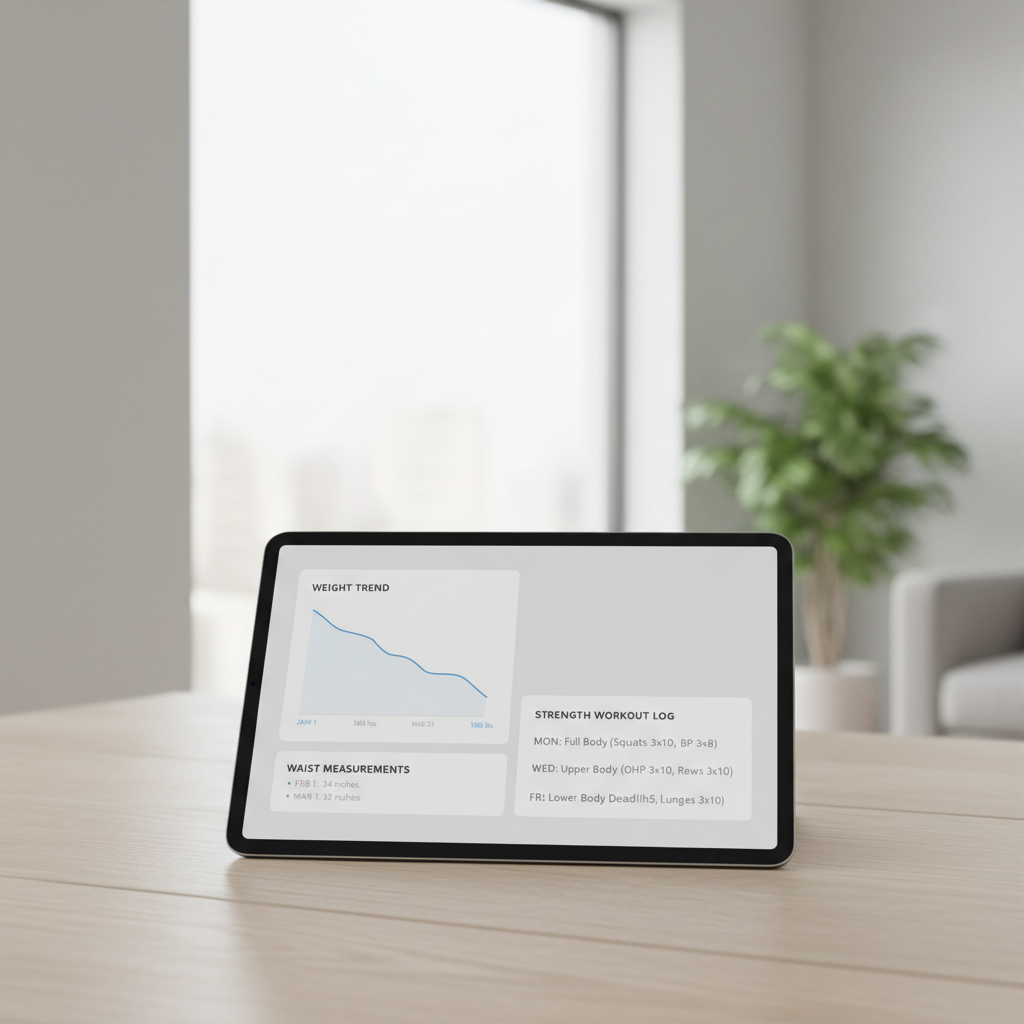
If your schedule is already tight, the fix usually isn’t “add more days.” It’s making the days you have more structured and easier to recover from.
Quick self-check: which situation are you in?
Use this to choose the right starting point before you copy a plan that doesn’t match your reality.
You probably need more strength focus if…
- You do cardio 4–6 days/week but lift 0–1 days/week
- Your waist hasn’t changed, and your lifts feel weaker month to month
- You feel “flat” and hungry after long cardio sessions
You probably need better cardio structure if…
- You lift consistently but get winded easily day to day
- Your steps are low (often under ~6,000/day) most weeks
- You rely on random HIIT classes instead of repeatable sessions
You probably need recovery and workload changes if…
- You’re sore most days and your sleep quality is slipping
- You dread sessions you used to enjoy
- Minor aches keep popping up (knees, low back, shoulders)
The workout plan: a 4-day fat loss workout + 2 cardio days
This is a common “sweet spot” for many adults: enough strength volume to maintain muscle, enough cardio to support fat loss, and enough rest to keep you consistent. If you’re brand new, it may be smarter to start with 3 lifting days and build up.
Weekly layout (example): Mon Lower A, Tue Upper A, Thu Lower B, Fri Upper B, Wed Zone 2 cardio, Sat optional intervals or long walk, Sun rest.
Plan overview (copy/paste friendly)
| Day | Focus | What you do | Effort target |
|---|---|---|---|
| Mon | Lower A | Squat pattern + hinge + accessories | Hard but controlled (leave 1–3 reps in reserve) |
| Tue | Upper A | Press + row + shoulders/arms | Moderate-hard |
| Wed | Cardio (Zone 2) | 30–45 min steady bike, incline walk, or jog | Conversational pace |
| Thu | Lower B | Deadlift/hinge + unilateral legs + core | Moderate-hard |
| Fri | Upper B | Incline press + pull-down/pull-up + accessories | Moderate |
| Sat | Optional cardio | Intervals 15–20 min OR 60–90 min walk | Short and spicy OR easy endurance |
| Sun | Rest | Light mobility, easy steps | Easy |
Lower A (45–70 minutes)
- Squat (back squat, front squat, or goblet squat): 3–5 sets of 5–8 reps
- Romanian deadlift: 3–4 sets of 6–10 reps
- Leg press or split squat: 2–4 sets of 8–12 reps
- Hamstring curl: 2–3 sets of 10–15 reps
- Calf raises: 2–4 sets of 8–15 reps
Upper A (45–70 minutes)
- Bench press (barbell or dumbbell): 3–5 sets of 5–8 reps
- One-arm row or chest-supported row: 3–4 sets of 6–10 reps
- Overhead press: 2–4 sets of 6–10 reps
- Lat pulldown or assisted pull-up: 2–4 sets of 8–12 reps
- Optional arms (curl + triceps pressdown): 2–3 sets of 10–15 reps
Lower B (45–70 minutes)
- Hinge (deadlift variant or trap bar): 3–5 sets of 3–6 reps
- Unilateral legs (lunges, step-ups): 2–4 sets of 8–12 reps/side
- Hip thrust or glute bridge: 2–4 sets of 6–12 reps
- Core (plank, dead bug, Pallof press): 3 rounds
Upper B (45–65 minutes)
- Incline dumbbell press: 3–4 sets of 6–10 reps
- Pull-up (assisted if needed) or pulldown: 3–4 sets of 6–10 reps
- Rear delt fly or face pull: 2–4 sets of 12–20 reps
- Row variation (cable row): 2–3 sets of 8–12 reps
How to progress (without turning it into a grind)
Progression is where a fat loss workout becomes a plan instead of a playlist. In a calorie deficit, your job is usually to maintain performance or add small wins, not to PR every week.
- Double progression: stay in a rep range (say 6–10). When you hit the top reps for all sets, add a small amount of weight next time.
- Cap your “all-out” sets: stop most sets with 1–3 reps in reserve, save true max efforts for occasional testing.
- Deload when needed: every 4–8 weeks, reduce sets by ~30–50% for one week if fatigue keeps rising.

If form breaks down, that set is already “heavy enough.” Technique is not a side quest when you’re training week after week.
Cardio that supports fat loss (without stealing your legs)
Cardio is useful, but it’s easy to overdo it when motivation is high. A better approach is choosing one steady session and one flexible option.
Zone 2 (steady) option
- 30–45 minutes
- Incline walk, bike, easy jog, rower
- You can talk in full sentences, breathing elevated but controlled
Intervals (optional) option
- Warm up 5–8 minutes
- 6–10 rounds: 20–40 seconds hard, 80–120 seconds easy
- Cool down 5 minutes
According to American Heart Association, regular aerobic activity supports heart health, and steady sessions are often easier to recover from than frequent all-out intervals.
Practical rules that make the plan work in real life
This is the “editor’s cut” advice most people skip, then wonder why they burn out.
- Pick a minimum: on chaotic weeks, do 2 full-body sessions and 2 long walks, then return to the plan next week.
- Stop chasing soreness: soreness is not a reliable signal of fat loss or effectiveness.
- Use steps as glue: a lot of people do better aiming for a consistent daily step range than adding more HIIT.
- Fuel around training: many do better with some protein and carbs near lifting, but nutrition needs vary, especially for medical conditions.
And yes, you still need a calorie deficit for fat loss. Training helps you keep muscle and stay consistent while you create that deficit with food, movement, or both.
Common mistakes to avoid (these waste the most effort)
- Turning every session into conditioning: lifting fast with short rests often reduces strength stimulus and raises fatigue.
- Changing the plan weekly: novelty feels productive, but it kills measurable progression.
- Ignoring pain signals: sharp pain, numbness, or symptoms that worsen need attention, not “push through.”
- Using the scale as your only scorecard: track weekly averages, waist, and how key lifts feel.
When to get professional help
If you have a history of heart issues, uncontrolled high blood pressure, dizziness with exercise, recent surgery, pregnancy or postpartum considerations, or chronic joint pain, it’s smart to talk with a clinician and/or qualified coach before pushing intensity. A good professional can also help adjust exercise selection for injuries and make sure your technique stays safe.
Key takeaways + a simple next step
A fat loss workout works when you can repeat it, progress it, and recover from it. Build your week around 3–4 strength sessions, add cardio that you can sustain, and measure progress with more than one metric.
- Action step #1: Run the plan for 2 weeks exactly as written, then adjust only one variable at a time.
- Action step #2: Track waist measurement weekly and log your main lifts, those two signals cut through a lot of noise.
FAQ
What is the best fat loss workout for beginners?
Usually, a beginner does best with 3 days of strength training and 2–3 easy cardio sessions, because the skill and recovery demands stay manageable. If you’re brand new, start conservative and build volume after 2–4 weeks.
Should I do cardio before or after lifting for fat loss?
If strength is a priority, many people lift first so they can use better weights and form, then add short cardio afterward or on separate days. If your main goal is endurance or you only have one window, keep the cardio moderate so it doesn’t ruin your lifting session.
How long should a fat loss workout plan last before changing it?
Commonly 8–12 weeks is enough to see clear trends in strength, measurements, and fitness. You can swap accessory exercises earlier if something hurts or feels stale, but keep the main lifts stable to track progress.
Why am I not losing weight even though I’m working out?
In many cases, total intake still matches expenditure, or water retention masks scale changes for a few weeks. Look at weekly weight averages and waist measurements, and consider reviewing nutrition with a registered dietitian if you’re unsure.
Can I do this plan at home with dumbbells?
Often yes, using goblet squats, dumbbell RDLs, split squats, floor press, one-arm rows, and bands for pulldowns or rows. The key is still progression, you may need slower tempos, higher reps, or more sets if weight options are limited.
How many days per week should I train for fat loss?
For many adults, 4–6 total training days works well if at least 1 day is truly easy. If your sleep or stress is rough, fewer well-planned sessions typically beat more random sessions.
Is HIIT necessary for fat loss?
No. HIIT can be helpful and time-efficient, but it’s also easier to overdo. Many people get steadier results from consistent lifting, daily movement, and a couple of cardio sessions they can recover from.
If you’re trying to lose fat but keep bouncing between extreme plans, a simple fix is having someone sanity-check your weekly workload, exercise choices, and progression, even a one-time program review can make the next 8 weeks feel a lot more straightforward.