
Dance Fitness is one of those workouts that can feel like “finally, something I’ll actually do,” especially if you’ve bounced between gyms, apps, and routines that never quite stick.
The catch is that not every class, playlist, or intensity level fits every body or schedule, and when people get sore, embarrassed, or bored, they quit before the benefits show up.
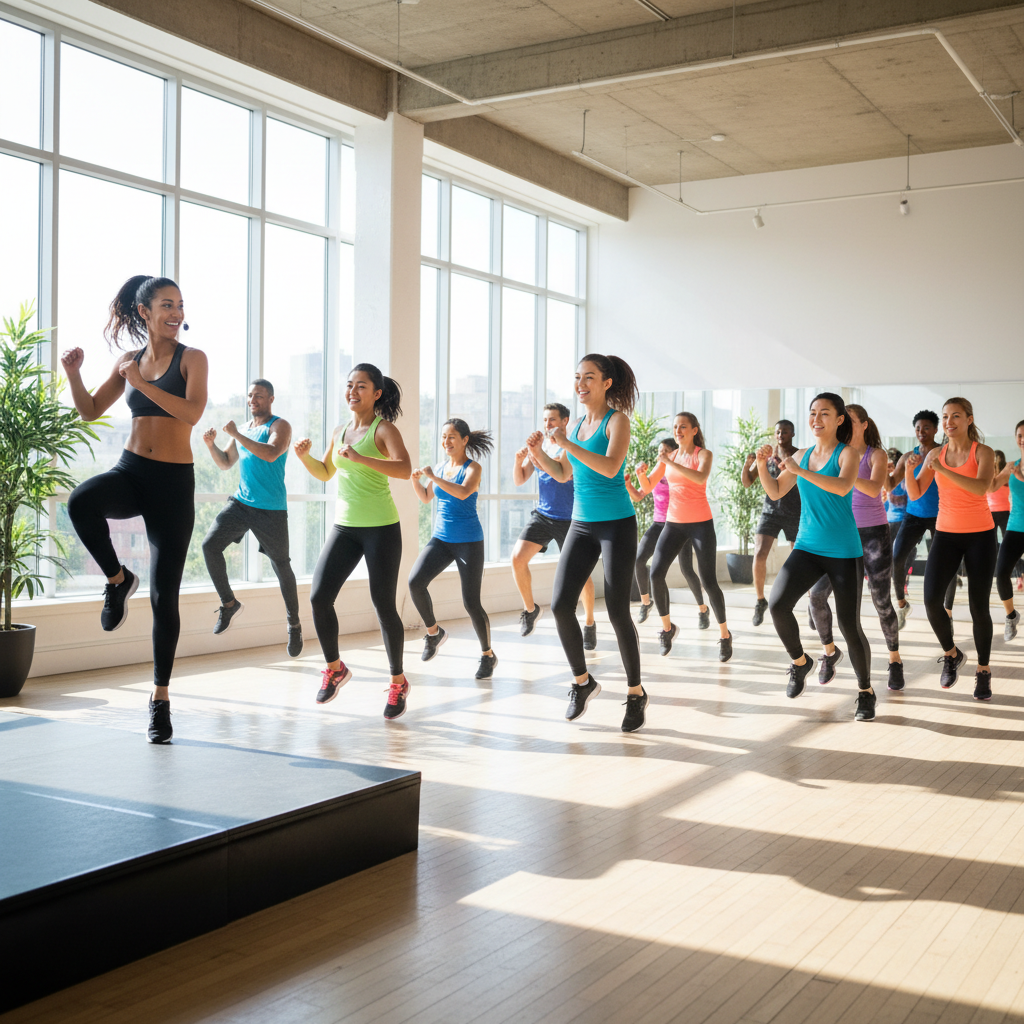
This guide breaks down what makes dance-based workouts effective, how to choose a style you’ll enjoy, and how to build a simple weekly plan without overthinking it. You’ll also get a quick self-check, a comparison table, and practical cues that help you move with more confidence.
Why Dance-Based Workouts Work (When They’re Done Right)
The biggest “secret” is consistency, and dance formats often win here because they feel like entertainment with a training effect. But there are a few real, nuts-and-bolts reasons they can support health goals.
- Cardio without the treadmill brain fog: you keep moving, heart rate rises, and time passes faster.
- Coordination and balance training: directional changes and footwork challenge your brain and stabilizers.
- Scalable intensity: you can march, step-touch, or go full power depending on joints and fitness level.
- Stress relief: music + movement can shift mood, which helps adherence.
According to the American Heart Association, adults generally benefit from regular physical activity that includes aerobic movement, and many dance workouts can count toward that goal depending on intensity.
Pick Your Dance Fitness Style: A Practical Comparison
If you’ve tried one class and hated it, it doesn’t mean you “don’t like Dance Fitness.” It usually means the format didn’t match your preferences, your knees, or your music taste.
| Style | What it feels like | Good fit if you want… | Watch-outs |
|---|---|---|---|
| Zumba-style | Party vibes, simple combos | Fun-first cardio, group energy | Fast turns may bother some ankles/knees |
| Hip-hop inspired | Groove + stronger hits | Power, confidence, musicality | Higher impact if you “stomp” every beat |
| Dance cardio (mixed) | Intervals and patterns | Sweat + structure | Can feel complicated if choreography moves fast |
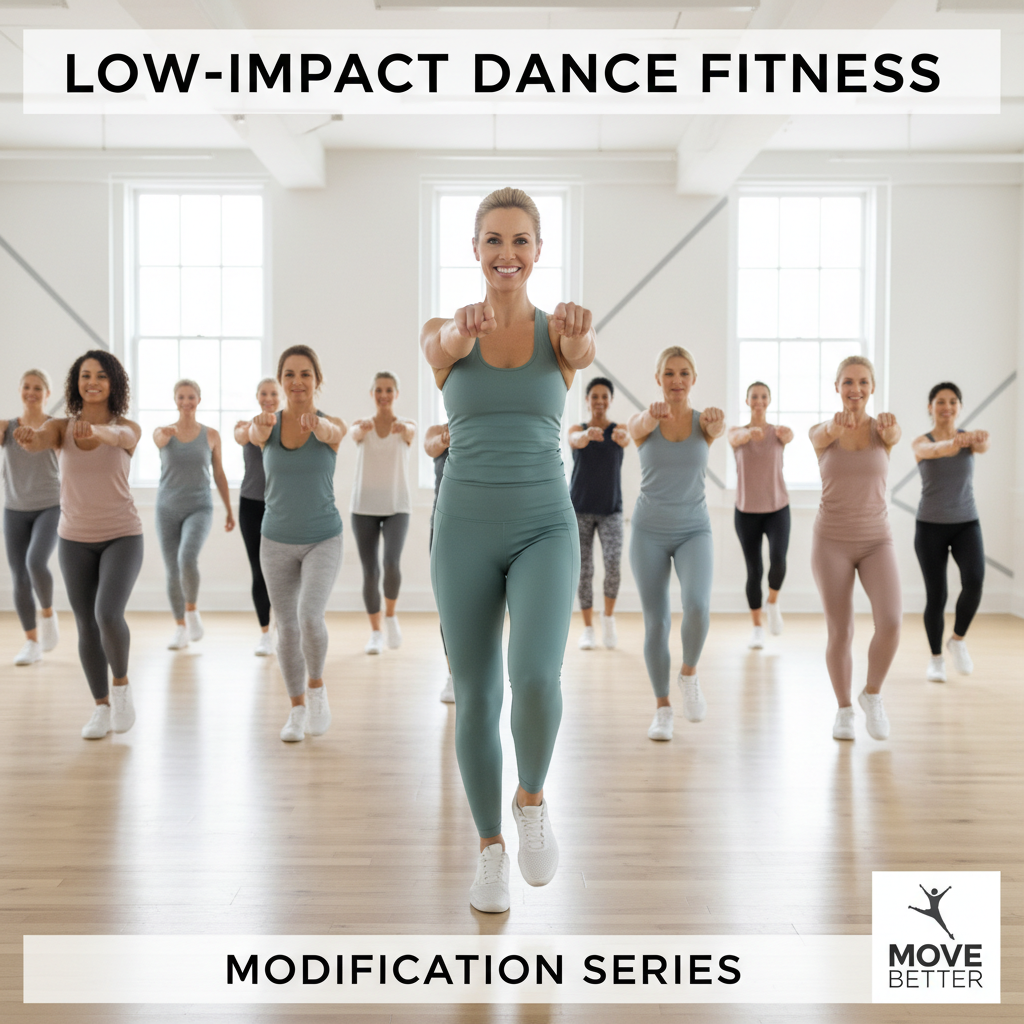
| Low-impact dance | Step-based, joint-friendly | Consistency, beginners, recovery days | Intensity may be too low unless you add arm drive |
| Dance + strength fusion | Dance blocks plus squats/lunges | More muscle work in one session | Form matters, fatigue can make technique sloppy |
A Quick Self-Check: What Kind of Dance Workout Should You Start With?
Before you commit to a program or class pass, do a quick reality check. This is where many people save themselves a month of frustration.
- If you’re new to exercise: start with low-impact dance or beginner dance cardio, 20–30 minutes.
- If you have knee/ankle sensitivity: avoid jump-heavy choreography, choose smaller steps and stable shoes.
- If you get overwhelmed by counts: pick “follow-along” formats with repeating combos rather than complex choreography.
- If weight loss is a goal: choose a style you can repeat 3–5 times weekly, not the one that wrecks you once.
- If you hate working out alone: a local class or live-stream with community may be the difference-maker.
And if you’re managing a medical condition, or you’re returning post-injury, it’s smart to ask a clinician or qualified trainer what movement limits make sense for you.
How to Structure Dance Fitness Workouts (So You Actually Improve)
A lot of people press play, dance hard for 10 minutes, then fade out. You can do better with a simple structure that keeps effort consistent and reduces soreness.
1) Warm-up that matches the choreography
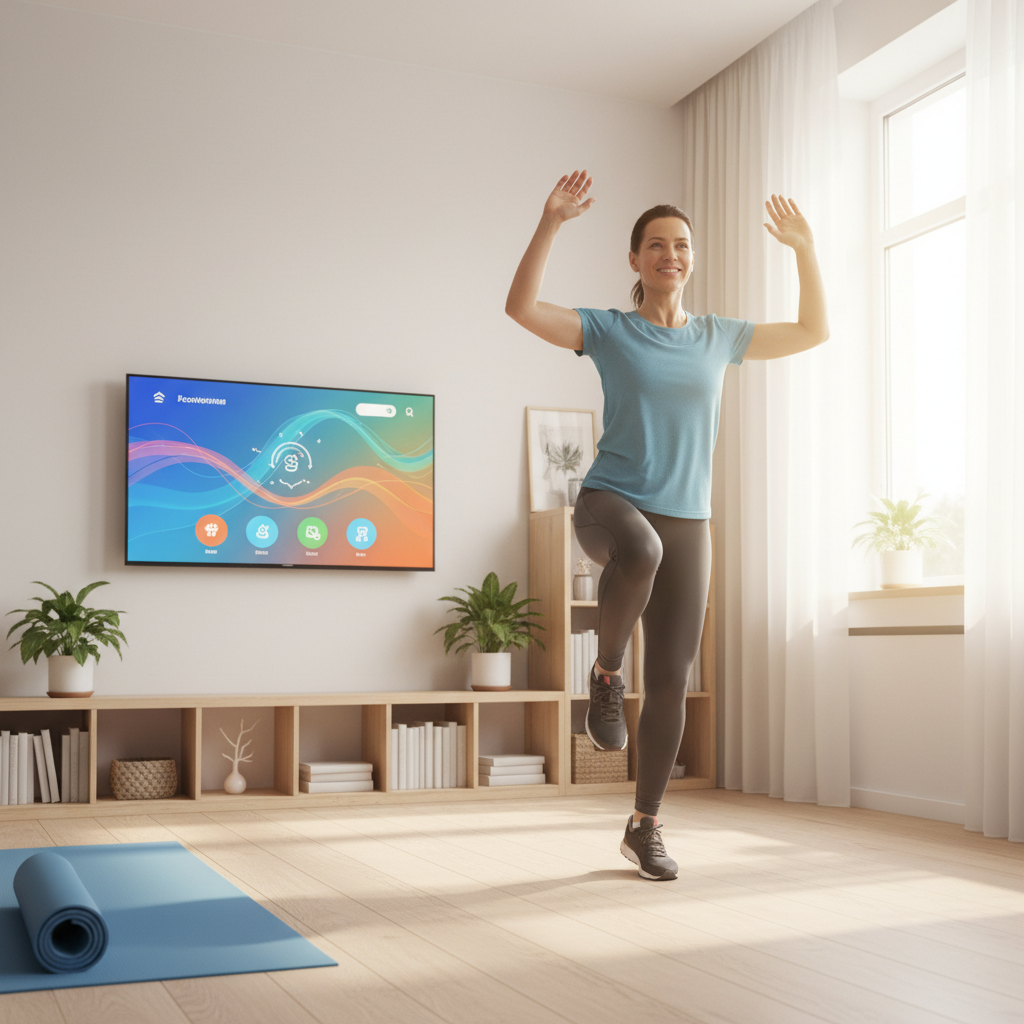
Give yourself 5–8 minutes of easy moves: step-touch, gentle hamstring curls, shoulder rolls, and light hip circles. Your goal is warmer joints, not “stretching everything.”
2) Main set: pick one of these easy formats
- Steady groove: 20–35 minutes at a “I can talk, but I’d rather not” pace.
- Intervals: 30–60 seconds higher effort, 30–60 seconds easier steps, repeat 10–15 rounds.
- Combo repeats: learn a short combo, repeat it 6–10 times, add intensity each round.
3) Cooldown that calms your breathing
Spend 4–6 minutes lowering intensity: march in place, side steps, then gentle calf and hip flexor stretches. According to the Centers for Disease Control and Prevention (CDC), building regular activity into your week supports overall health, and recovery habits help you keep showing up.
Beginner-Friendly Weekly Plan (30–45 Minutes a Session)
If you want a plan that’s realistic for busy weeks, start here. Adjust duration down if you’re sore or new, adjust up if you recover well.
- Mon: Dance cardio (easy-moderate) 30 min + 5 min cooldown
- Tue: Rest or a 20 min walk
- Wed: Dance + strength fusion 35–45 min (focus on form)
- Thu: Low-impact dance 25–35 min
- Fri: Rest
- Sat: “Fun class” day, any format you enjoy 35–45 min
- Sun: Mobility + light dance 15–25 min (recovery vibe)
Key point: If you’re only doing Dance Fitness two days a week, don’t punish yourself, just make those sessions predictable and gradually increase total minutes.
Practical Tips That Make Dance Workouts Feel Easier (and More Effective)
These are the small adjustments that often matter more than the “perfect” program.
- Go smaller before you go harder: reduce step size, keep rhythm, then add arms or range of motion.
- Use the “talk test”: if you can’t say a short sentence, you may be too high for today.
- Choose shoes based on surface: on carpet, too-grippy shoes can stress knees during pivots, many people prefer a smoother sole.
- Film 10 seconds: not for aesthetics, for form, are your knees collapsing inward, are you landing heavy.
- Make a 3-song minimum: on low-motivation days, promise just three songs, you can stop after, but you often won’t.
Also, don’t underestimate music selection. If the playlist annoys you, consistency becomes a negotiation every time.
Common Mistakes and Safety Notes (So You Don’t Burn Out)
Dance workouts look carefree, but your joints still keep score. Most issues come from intensity jumps or sloppy pivots.
- Going all-out on day one: soreness can push you into a week off. Build volume over 2–4 weeks.
- Twisting on a planted foot: turn with your whole foot when possible, especially on sticky floors.
- Chasing choreography over movement quality: it’s fine to simplify steps, rhythm beats complexity.
- Ignoring pain signals: sharp pain, swelling, or lingering joint pain usually means scale down and consider professional guidance.
- Skipping strength work forever: a little leg and core strength often makes Dance Fitness feel smoother and safer.
According to the American College of Sports Medicine (ACSM), balanced programs typically include aerobic training plus strength and flexibility work; if you’re doing dance most days, adding 1–2 short strength sessions often helps.
When It Makes Sense to Get Professional Help
Online workouts are convenient, but a few scenarios deserve extra caution.
- If you’ve had recent surgery, a recent injury, or unexplained dizziness during exercise
- If joint pain persists more than a few days even after you reduce impact
- If you’re pregnant or postpartum and unsure how to scale intensity and core work
- If you feel stuck: you love dancing, but your fitness plateaus and you want a plan
A certified fitness professional can adjust movement patterns, and a licensed clinician can help rule out issues that need medical attention. It’s not dramatic, it’s just smart.
Conclusion: Make Dance a Habit, Not a Test
Dance Fitness works best when you treat it like a repeatable part of your week, not a performance you have to “win.” Pick a style you enjoy, scale impact to your joints, and use a simple structure so your effort stays steady.
If you want an easy next step, choose one beginner session, schedule it for a specific day, and set a three-workout goal for the next seven days, consistency comes faster when the decision is already made.
FAQ
Is Dance Fitness good for weight loss?
It can be, mostly because it’s easier to do consistently. Results depend on intensity, total weekly activity, and nutrition, so it helps to focus on a schedule you can maintain rather than occasional “killer” sessions.
How many days a week should I do dance workouts?
Many people do well with 3–5 days weekly, mixing one lower-intensity day to reduce soreness. If you’re just starting, 2–3 days is often enough to build the habit.
What if I’m uncoordinated or embarrassed?
That’s extremely common. Try follow-along workouts with repeating patterns, stand farther from the mirror if it helps, and remember that most coordination improves quickly once you stop trying to be perfect.
Can I do Dance Fitness if I have knee pain?
Sometimes yes, but it depends on why your knee hurts. Low-impact formats, smaller steps, and fewer pivots may help, but persistent or sharp pain is a good reason to consult a medical professional.
Do I need special shoes for dance cardio?
You usually don’t need dance-specific shoes, but you do want stable footwear that matches your floor. If you pivot often, a sole that’s too grippy on carpet can increase knee stress.
What’s a good session length for beginners?
Twenty to thirty minutes is plenty if you keep moving, then add time gradually. It’s better to finish feeling “I could do that again” than to overreach.
How do I make dance workouts harder without jumping?
Increase arm drive, add deeper knee bends within comfort, tighten transitions so you rest less, or use interval timing. You can raise heart rate a lot without leaving the floor.
If you’re building a Dance Fitness routine and want a more “plug-and-play” approach, a structured class schedule or a coach-designed plan can take decision fatigue off your plate, you still get the fun part, but with fewer guesses about intensity and progression.