
Back Support can be helpful for lifting and training, but it works best when you treat it like a tool, not a replacement for strong technique and smart programming.
A lot of people buy a belt or brace after a scary tweak, or because their job suddenly demands more lifting, and then they’re left guessing: Do I wear it every set, only on heavy days, or not at all? That uncertainty matters, because the wrong approach can leave you feeling “safe” while your movement habits quietly get worse.
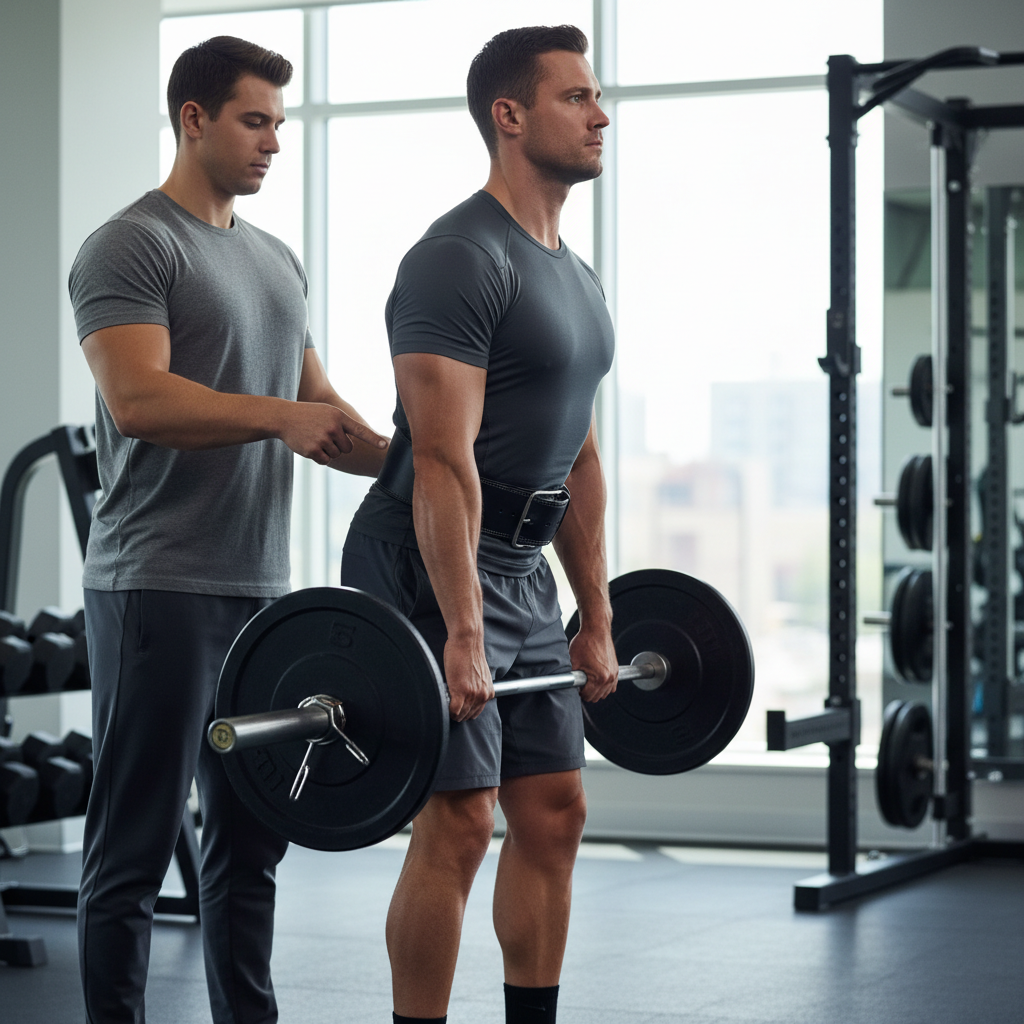
This guide focuses on practical decisions: what “support” really means, who benefits most, how to choose between belt vs brace, and how to use support without creating new problems. You’ll also get a quick self-check, a comparison table, and a simple plan you can apply next workout.
What “back support” actually does during lifting
Most back support products fall into two buckets: lifting belts for training and supportive braces for daily tasks or recovery. They do not “hold your spine in place” like a cast, they typically help you create more trunk stiffness and give you feedback to brace better.
In strength training, a belt often supports performance by increasing abdominal pressure when you brace, which can make heavy reps feel more controlled. In work settings, a brace may remind you to avoid awkward bending and may reduce discomfort, though comfort is not the same as injury-proofing.
According to NIOSH (the National Institute for Occupational Safety and Health), back belts are not proven to prevent back injury for workers in general, and they emphasize training, task design, and safe lifting practices. That’s a useful reality check: support can assist, but it should not be your whole safety plan.
Common reasons people reach for back support (and what’s usually happening)
Most situations are pretty predictable. If you recognize yourself here, you’re not “weak,” you’re just missing one or two pieces.
- Heavy or high-volume lifting: fatigue makes bracing inconsistent, and support adds stability plus confidence.
- Returning after a back flare-up: support can reduce fear and help you move, but pain can have multiple causes, so treat it as temporary insurance.
- Poor hinge mechanics under stress: when the load gets real, you default to rounding, twisting, or rushing.
- Long shifts with repetitive lifts: discomfort builds across hours, especially with awkward objects and limited breaks.
- Core endurance gap: your strength might be fine for singles, but endurance for sets, carries, or long days runs out early.
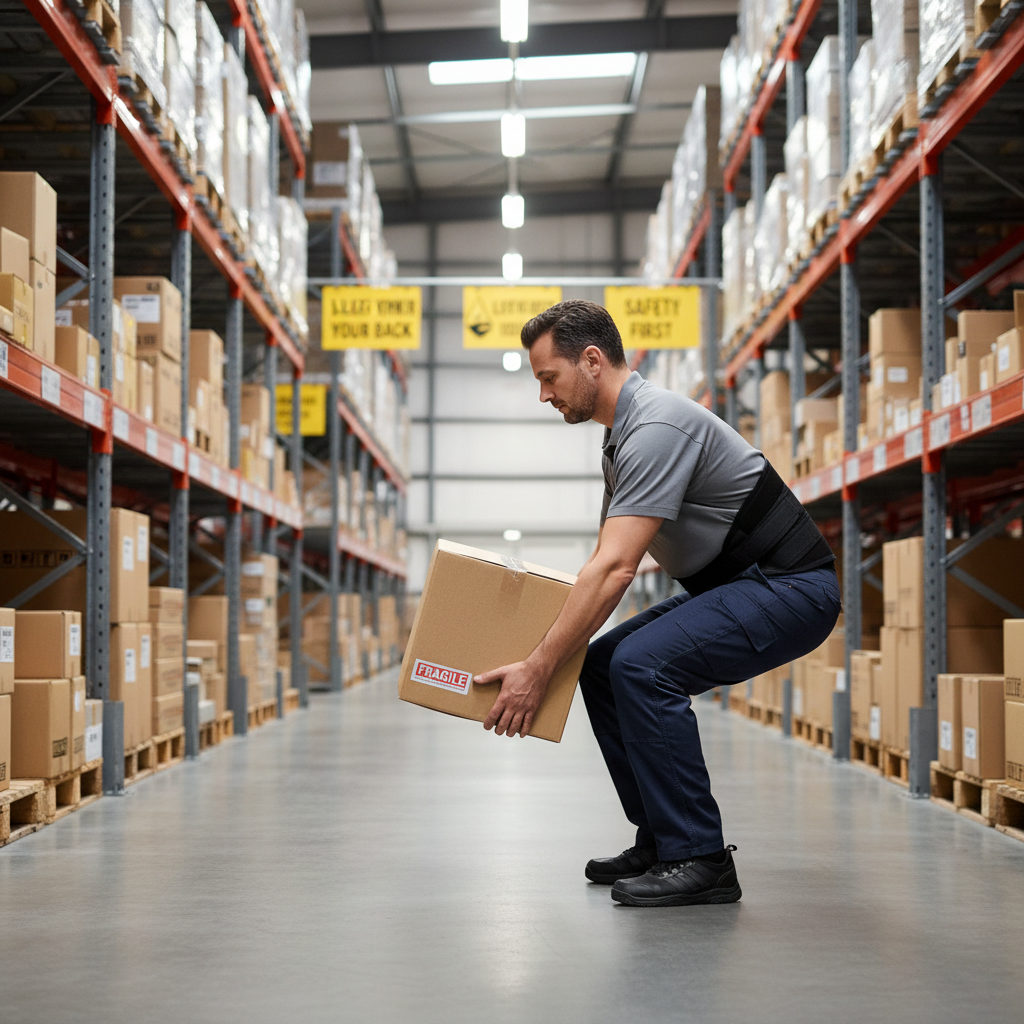
One small warning: if you feel you “can’t lift without it,” that’s often a sign the support became a crutch. Not always, but often enough that it’s worth addressing early.
Quick self-check: do you need support, better technique, or both?
Use this as a fast filter before you buy something new or tighten your belt another notch.
- Do you lose a neutral spine when reps get hard, even with lighter weight?
- Does pain show up more with fatigue than with load?
- Do you hold your breath randomly, or forget to brace until the weight is moving?
- When you wear support, do you lift better, or just feel less anxious?
- Does discomfort linger longer than a few days, or include numbness/tingling?
How to read it: if technique breaks down, fix movement first. If technique is solid but heavy days feel unstable, support may help. If symptoms are persistent or radiate down a leg, consider professional evaluation instead of guessing.
Belt vs brace vs “nothing”: a practical comparison
People mix these up constantly. Here’s a clean way to choose based on use case, not hype.
| Option | Best for | What it helps | Common downside |
|---|---|---|---|
| Lifting belt (powerlifting/nylon) | Heavy sets, compound lifts, bracing practice | Improves trunk stiffness when you brace correctly | Over-reliance, worn too tight, used on every warm-up |
| Support brace (work/recovery) | Long shifts, light-to-moderate repetitive lifting, short-term flare-ups | Comfort, posture cueing, reduces “guarding” for some people | False security, can encourage sloppy twisting if you “feel protected” |
| No external support | Technique development, accessories, conditioning | Builds skill and endurance without a crutch | May feel unstable during heavy attempts if bracing skill is weak |
If your goal is stronger lifting, a belt usually makes more sense than a bulky brace. If your goal is getting through a workday with less irritation, a brace might be more appropriate, ideally paired with task adjustments.
How to use back support during training (without making it a dependency)
Back Support works best when you set rules. Otherwise it creeps into every set, then your bracing skill stops improving.
Practical rules that tend to work well
- Earn the belt: do warm-ups and lighter working sets beltless, then add support for your heaviest sets.
- Use it on specific lifts: deadlifts, squats, overhead presses often benefit most; skip it on easy accessories.
- Keep it “firm,” not suffocating: you should still take a strong breath and expand into the belt.
- Pair it with bracing practice: 2–3 sets of controlled breathing and bracing drills per week go a long way.
Key takeaway: the belt is not the brace, your trunk is. Support just gives your brace something to push against.
Real-world lifting tips for work and daily life
If you’re lifting at work, the biggest wins often come from boring adjustments: changing the start position, the height, the grip, the frequency. A back brace may help you tolerate a shift, but it cannot fix a bad setup repeated 200 times.
- Reduce the reach: bring objects closer before lifting, distance is a sneaky back multiplier.
- Own the pivot: step-turn instead of twisting through the spine with load.
- Break up repetition: rotate tasks if possible, even short swaps can reduce flare-ups.
- Use team lifts or tools: dollies and lift assists beat “toughing it out” most days.
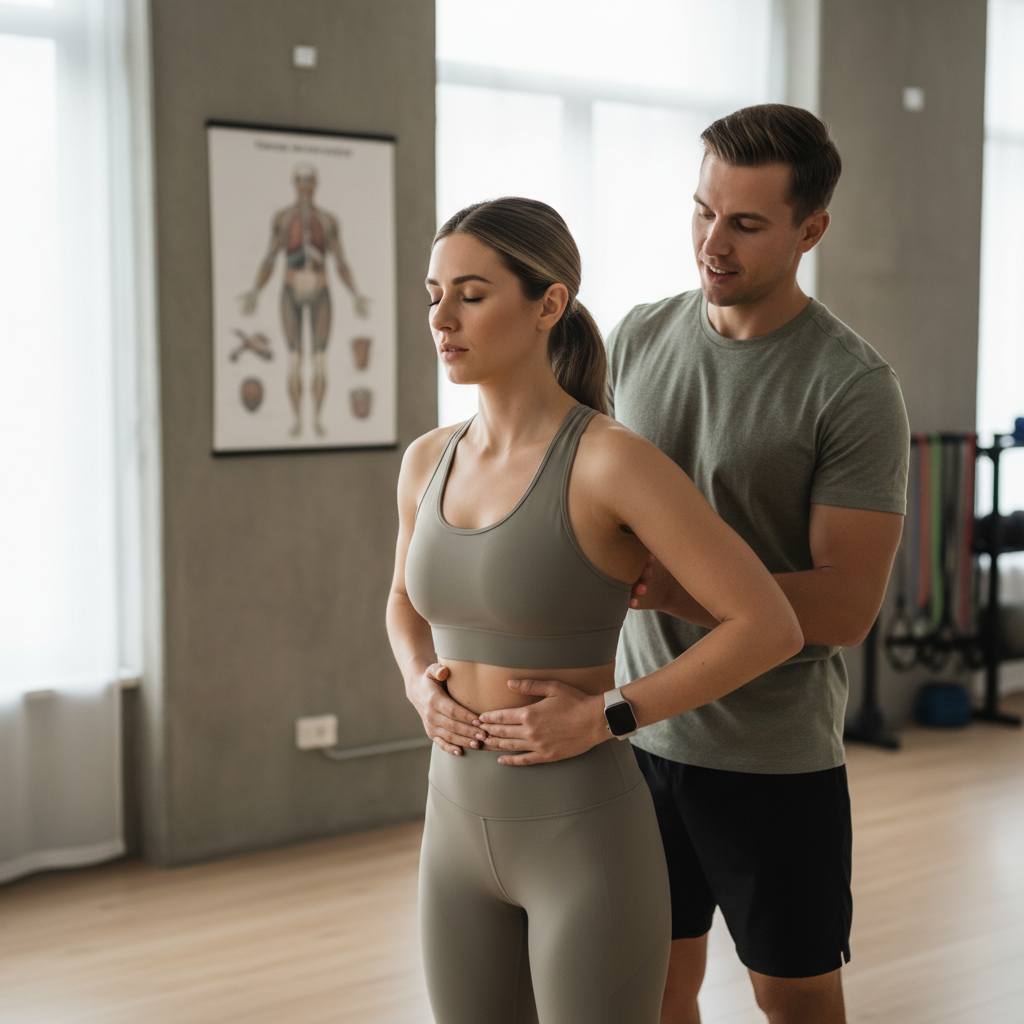
According to OSHA, safe lifting programs typically emphasize training, load management, and workplace controls. If you’re constantly lifting beyond what the setup allows, a support product might feel helpful while the root problem stays untouched.
Common mistakes that make support less effective
- Wearing it for every rep: you miss chances to build endurance and control without it.
- Using it to “push through” sharp pain: discomfort during hard work happens, but sharp or escalating pain deserves caution.
- Ignoring the hinge: a belt can’t save a rounded, rushed pull from the floor.
- Going too stiff too soon: very rigid braces can feel good initially, but many people do better with a gradual return to normal movement.
- Buying based on size alone: fit around your torso, comfort in your bottom position, and buckle placement matter in real use.
If you want a simple “do this next session” approach, start by using support only on top sets, then taper it down during lighter weeks. That pattern keeps the tool useful without letting it run the show.
When to get professional help (and not just change gear)
Support choices get tricky when symptoms suggest more than normal training soreness. Consider checking in with a qualified clinician or physical therapist if you notice:
- Pain that persists beyond a couple weeks or keeps returning with minimal trigger
- Numbness, tingling, weakness, or symptoms traveling down a leg or into a foot
- Back pain tied to bowel/bladder changes, fever, unexplained weight loss, or major trauma
- Inability to find any comfortable position, even at rest
In many cases, professional guidance helps you sort out whether you need load changes, technique coaching, rehab work, or simply a smarter progression.
Conclusion: a smart way to use back support for lifting and training
Back Support can be a solid add-on when you lift heavy, train hard, or manage a demanding job, but it should sit on top of fundamentals: bracing, hinge mechanics, and reasonable load decisions. Treat support like a “top-set tool,” not an all-day identity, and you’ll usually get better results with fewer trade-offs.
Action ideas: pick one lift where you’ll use support only on your heaviest sets this month, and pick one technique cue you’ll repeat every rep, even when you feel rushed.
FAQ
Should I wear back support for every set at the gym?
Most lifters do better using it for heavier sets or higher-risk lifts, not for warm-ups and accessories. If you can’t brace without support, that’s a good reason to practice beltless work at lighter loads.
Is a lifting belt the same as a back brace?
Not really. A belt is mainly for bracing and performance during training, while a brace often targets comfort and posture cueing for daily activity or short-term recovery. The feel is similar, but the purpose differs.
Can back support prevent injury?
It may reduce strain for some people, but injury risk depends on many factors: technique, fatigue, volume, sleep, prior history, and the task itself. According to NIOSH, back belts are not proven to prevent workplace back injuries broadly.
How tight should a lifting belt be?
Tight enough that you can push your abdomen into it during a big breath and brace, but not so tight that you can’t expand or you feel pinched when you hit depth. If you feel lightheaded quickly, it’s often too tight or your breathing pattern needs work.
Is it bad to deadlift without back support?
No. Many people deadlift without a belt safely, especially at submaximal loads where they can keep position and control. The decision usually comes down to your goals, your bracing skill, and how heavy you’re pushing.
What back support is best for warehouse or moving jobs?
It depends on the tasks. Many prefer a comfortable brace that doesn’t restrict breathing, paired with better lifting setups and fewer twist-and-reach lifts. If your job includes very heavy single lifts, talk with a safety lead or clinician about what fits your role.
Can I use back support if I have a herniated disc?
Possibly, but it’s worth being cautious. Symptoms and severity vary a lot, and the wrong strategy can prolong irritation. A clinician can help you decide when support helps and when movement retraining matters more.
Does wearing back support weaken your core?
It can if you rely on it constantly and stop training your trunk control. If you use support strategically and still train beltless work, carries, and bracing drills, most people maintain or even improve trunk strength over time.
If you’re trying to choose back support for lifting and training and want a simpler path, it often helps to match the product to your top one or two use cases, then set clear “when I wear it” rules so the gear supports your progress instead of replacing it.