
Best cycling bag for backpack buyers usually want one thing: a pack that stays put when you’re out of the saddle, doesn’t cook your back, and still holds the stuff you actually carry. The problem is most “bike backpacks” look similar online, yet feel wildly different once you add a laptop, a lock, or a full hydration bladder.
This guide focuses on what tends to matter in real rides around the U.S., commutes with stoplights and stairs, weekend gravel loops, and longer road miles where small annoyances turn into big ones. I’ll walk through the features that change comfort, how to size and fit quickly, and which bag styles typically match each kind of rider.
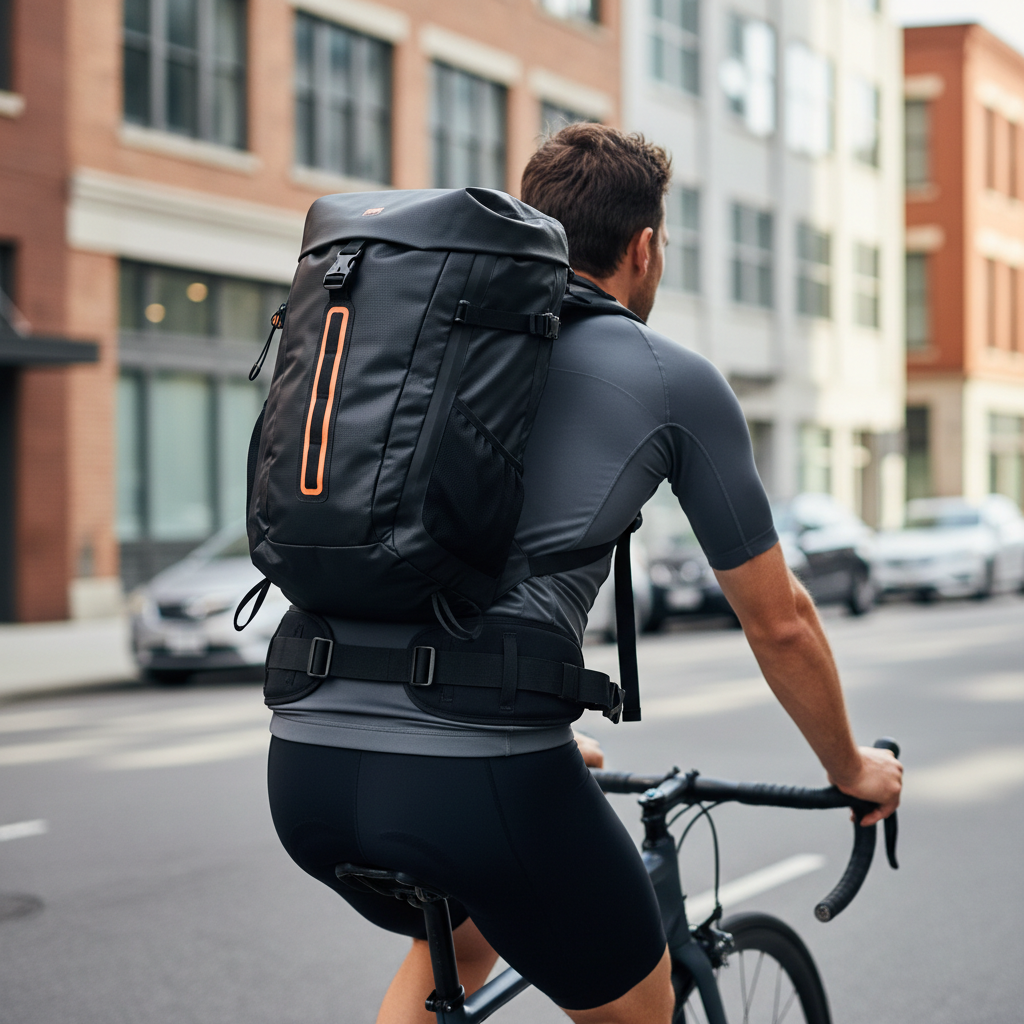
One quick expectation check, no backpack is “invisible” on hot days, and no single model fits every torso shape. But with the right capacity, harness, and packing habits, you can get close enough that you stop thinking about it mid-ride.
What makes a cycling backpack bag feel good (or awful)
Most comfort problems come from movement and heat. If the bag shifts, you compensate with your shoulders, your neck tightens, and after a week you start “shopping again.” If it traps heat, you arrive sweaty even on easy miles.
- Harness and straps: A sternum strap plus a real hip belt (not a decorative webbing) typically does more for stability than any other feature.
- Back panel ventilation: Mesh channels, raised foam ridges, or suspended trampoline-style mesh can help, though airflow varies by posture and jersey.
- Load placement: Heavier items should sit high and close to your spine; low and far back makes the bag sway when you stand to climb.
- Shoulder strap shape: Wider, curved straps reduce pressure points; thin straps feel fine in the store and worse at mile 8.
- Access while on the move: You won’t safely dig for items in traffic, so pockets that work one-handed at a stop matter.
According to NHTSA, visibility and predictable riding behavior reduce crash risk, so a bag that doesn’t shift your balance is more than comfort, it can be a small safety upgrade in busy streets.
Pick the right size: capacity and use case (with a quick table)
The “best cycling bag for backpack” needs is often a sizing problem in disguise. Many riders buy too big “just in case,” then overpack and wonder why the ride feels sloppy.
| Use case | Typical capacity | What it comfortably holds | Common deal-breaker |
|---|---|---|---|
| Fast commute (no laptop) | 10–16L | Jacket, lunch, tools, small lock | Not enough structure for bulky items |
| Office commute (laptop) | 16–24L | Laptop, charger, clothes, lock | Heat buildup if back panel is flat |
| Long road / gravel day | 8–14L | Hydration, layers, food, mini pump | Sway if hip belt is weak |
| Light touring / errands | 24–30L | Groceries, extra layers, camera | Too tall can hit helmet in aggressive position |
If you’re between sizes, it’s usually safer to pick the smaller option and add external carry for occasional extras, rather than riding a half-empty big pack that flops around.
Key features to prioritize in 2026 (what’s worth paying for)
Marketing tends to obsess over “waterproof,” but in day-to-day riding, fit and organization pay you back every single trip.
- True stability system: Sternum strap that adjusts up/down, plus a hip belt that anchors on your iliac crest (top of hip). If the belt sits on your stomach, it slides.
- Dedicated laptop protection (if needed): Suspended sleeve or a false bottom helps prevent corner impacts when you set the bag down. Still, a slim laptop sleeve is cheap insurance.
- Weather strategy: Roll-top closure, taped seams, or a built-in rain cover. Many “water-resistant” zippers leak in sustained rain, so plan for reality.
- Reflectivity and light attachment: A loop that holds a rear light securely beats tiny reflective piping you can’t see from a car.
- Glove-friendly pulls: Bigger zipper pulls or textured tabs matter more than you’d think in winter.
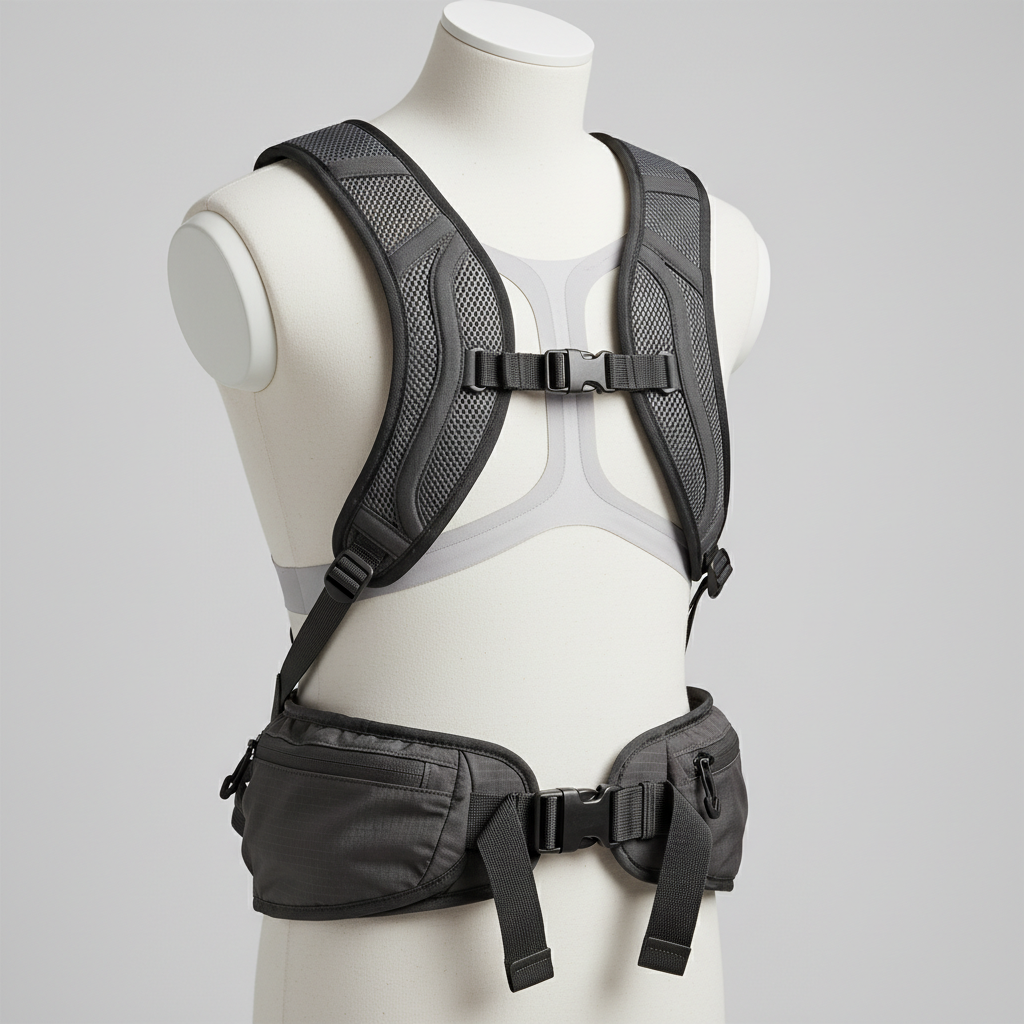
If you’re riding in traffic often, prioritize the stability system over extra pockets. A bag that stays planted makes starts, stops, and shoulder checks feel more natural.
Quick self-check: which cycling backpack style fits you?
This is the part most people skip, then return the bag. Answer honestly, even if it’s not the “cool” option.
- You carry a laptop 3–5 days/week: look for commuter packs with structure, a laptop sleeve, and a stand-up base.
- You ride hard and hate sweaty backs: prioritize ventilation, lighter fabrics, and a narrower profile.
- You’re on a drop-bar bike with a low position: avoid tall packs that can bump your helmet when you look up.
- You use public transit + bike: smaller pack, clean exterior (less snagging), easy top handle for stairs.
- You ride in real rain: choose a proven weather plan, either a roll-top or a rain cover you’ll actually deploy.
When a rider says they need the best cycling bag for backpack comfort, it often means they need less capacity and more stability, not a fancier fabric.
How to fit and pack it so it stops bouncing
You can make a decent pack feel great, or a great pack feel mediocre, depending on fit and packing. The basics take five minutes, and they matter.
Fit in this order
- Hip belt first: snug, sitting on the hip bones, taking some load off shoulders.
- Shoulder straps next: firm contact, not crushing; the bag should ride high, not sag.
- Sternum strap last: just enough to keep straps from drifting outward, not so tight it restricts breathing.
Pack like you mean it
- Heavy items high and close: lock, power bank, tools near the center of your back.
- Soft items as buffers: jacket or clothes can stabilize hard edges and reduce pressure points.
- Don’t dangle things: external straps look handy, but loose items swing and amplify wobble.
If you’re carrying a U-lock, consider whether it belongs on the bike instead. Many riders feel instantly better when the heaviest object moves off their body.
Common mistakes that waste money (and what to do instead)
A few patterns show up again and again, especially with first-time buyers.
- Buying “waterproof” and ignoring access: roll-tops can be amazing in rain, but if you need quick access, add a side pocket strategy or accept more stops.
- Assuming one size fits all: torso length matters; if a brand offers sizes, measure and follow it.
- Over-indexing on pockets: too many compartments can make packing inconsistent, then you carry extras “just in case.”
- Skipping reflectivity: if your bag is dark, plan a rear light mount or reflective accessory.
According to CDC, wearing a properly fitted helmet is a key injury-prevention measure, and that intersects with backpack choice more than people realize: a pack that hits your helmet in riding position nudges your head angle and can tempt you to ride with poorer posture.
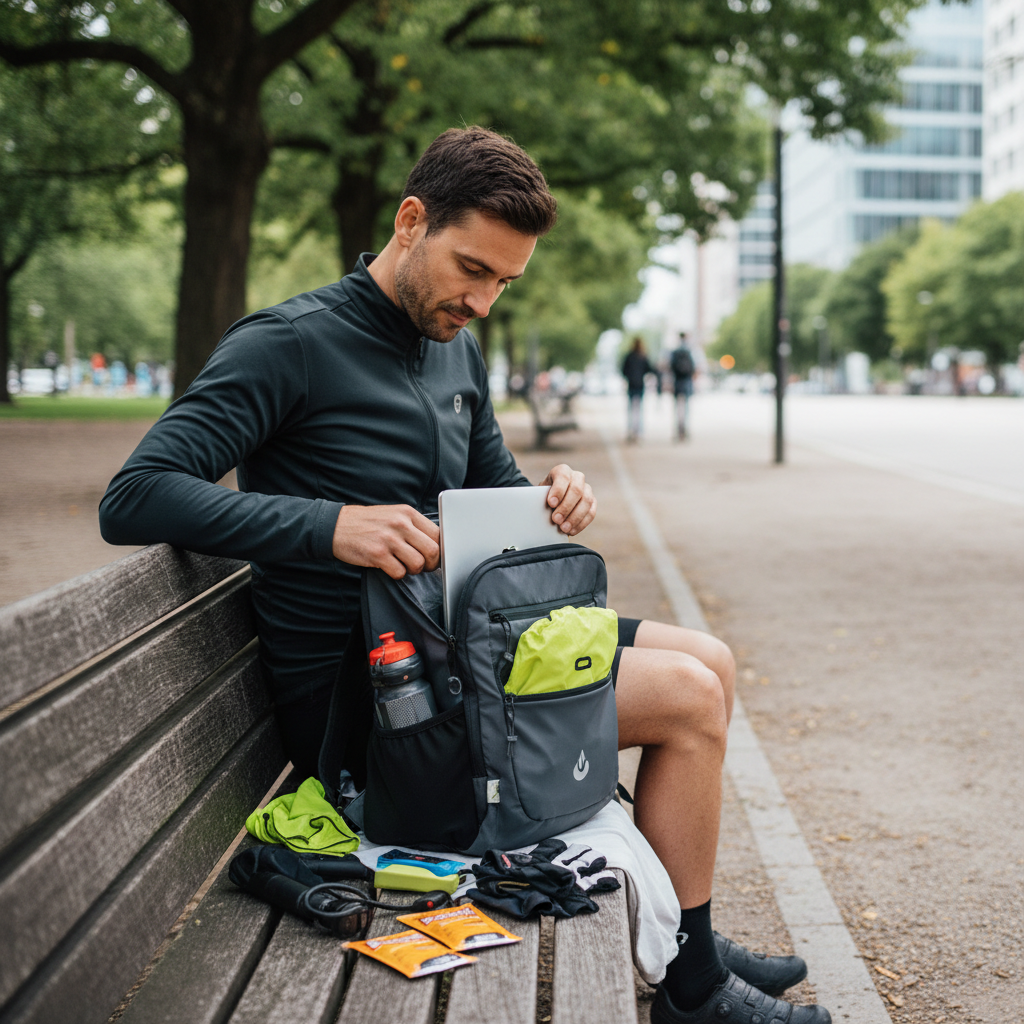
If neck or shoulder pain shows up, it may be fit, it may be load, and it may be your riding position. Don’t force it for weeks, especially if symptoms persist, a bike fit professional or a medical professional can help you separate equipment issues from body issues.
Buying checklist and final recommendation logic
If you want a clean way to choose without spiraling, use this short checklist in a store or during an at-home try-on.
- Stability: jog in place and mimic a standing climb, the bag should not slap your lower back.
- Heat management: check for airflow channels or a suspended mesh back, especially for summer commuting.
- Practical capacity: pack your real items, not imaginary ones, and see if the shape still feels balanced.
- Weather plan: confirm how rain is handled, roll-top, coated fabric, or rain cover you can deploy fast.
- Visibility: reflective hits plus a secure light attachment point.
Key takeaways: A smaller, better-fitting pack usually beats a larger one, a real hip belt changes everything on longer rides, and a simple weather plan prevents the “wet laptop surprise.” If you’re shopping for the best cycling bag for backpack use in 2026, start with your most common ride, then pay for stability and fit before you pay for premium materials.
Next step: pick your capacity range from the table, shortlist two styles that match your ride type, then do a loaded try-on at home with your real gear. It sounds basic, but it’s the fastest route to a bag you keep using.