
The best cycling lip balm with spf is the one you will actually reapply on a ride, stays put in wind, and does not taste like sunscreen when you are breathing hard.
If your lips feel fine at mile 10 and wrecked by mile 40, that is usually a mix of UV exposure, dehydration, wind, and simple friction from talking, breathing, and wiping sweat. Riders often over-focus on “highest SPF” and under-focus on the stuff that determines real-world protection: film strength, reapplication habits, and whether the product turns chalky or slides off.
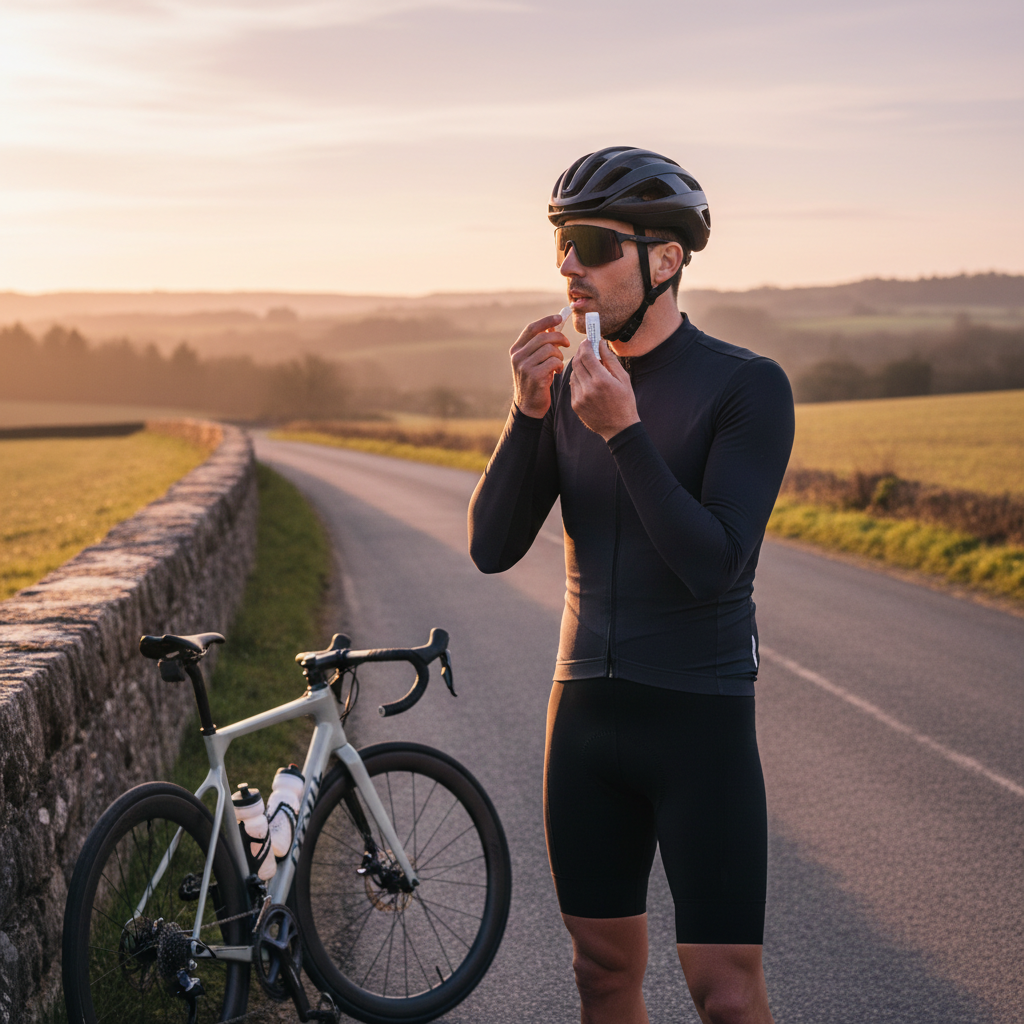
This guide is not a “one stick wins for everyone” list. Instead, you will get a practical way to choose based on your ride length, climate, and preferences, plus a comparison table, a quick self-check, and the mistakes that quietly ruin most SPF lip routines.
What makes an SPF lip balm “cycling-proof” (beyond the number)
SPF matters, but cycling punishes lip products in ways a normal day does not: airflow, sweat, frequent drinking, and long exposure windows. A balm can be SPF 30 on paper and still fail you if it disappears in 20 minutes.
- Staying power: Look for a formula that forms a flexible film and does not melt immediately in heat. Waxy is not automatically better, but “too glossy” often means it migrates.
- Broad-spectrum UVA/UVB: You want coverage that includes UVA, which contributes to longer-term sun damage. Many U.S. lip products label this clearly.
- Comfort under stress: If it feels heavy, tastes bitter, or dries chalky, you will skip reapplication, and that is where protection collapses.
- Cap security and pocket behavior: A loose cap in a jersey pocket becomes a sticky mess fast. A twist-up tube is usually easier with gloves than a tin.
According to the American Academy of Dermatology, SPF products should be reapplied regularly, especially with sweating and outdoor exposure. On a ride, that “regularly” is often sooner than people expect.
Quick comparison table: how to choose your best match
Instead of ranking brands you may or may not find locally, use this table as a buying filter. If a product matches the left column for your riding style, it is usually a safer bet.
| Riding situation | What to prioritize | Typical SPF range | Texture that tends to work |
|---|---|---|---|
| Hot, sunny road rides (2–5 hrs) | High wear, sweat resistance, easy reapply | SPF 30–50 | Firm stick, low-gloss finish |
| High wind / cold descents | Occlusive barrier, less sting, less cracking | SPF 25–40 | Thicker balm, more “waxy” feel |
| Gravel or dusty trails | Not tacky, does not trap grit, no heavy shine | SPF 30–50 | Satin, non-sticky film |
| Sensitive lips or frequent irritation | Gentle filters, fragrance-free, simple base | SPF 30–50 | Minimalist, smooth glide |
| Short commutes / casual rides | Comfort, taste, price, easy carry | SPF 15–30 | Any stick you will reapply |
Self-check: your lips tell you which formula you need
If you are not sure what to buy, run this quick check after your next two rides. It usually points you toward the right “type” of balm faster than reading labels for an hour.
- White, dry, tight feeling by mid-ride: you likely need more occlusion and more frequent reapplication, not just more SPF.
- Burning or stinging when applying: could be micro-cracks plus certain sunscreen filters or flavorings; consider a gentler, fragrance-free option and ask a clinician if it persists.
- Grit sticks to your lips on gravel: your balm is too tacky or glossy; switch to a drier, satin film.
- Sunburn line on the lower lip: usually inconsistent coverage and missed reapplication. Lower lip gets hit hard because of angle and reflection.
- It tastes awful: you will avoid reapplying, so pick a milder flavor or unflavored balm even if the ingredient list is less “exciting.”
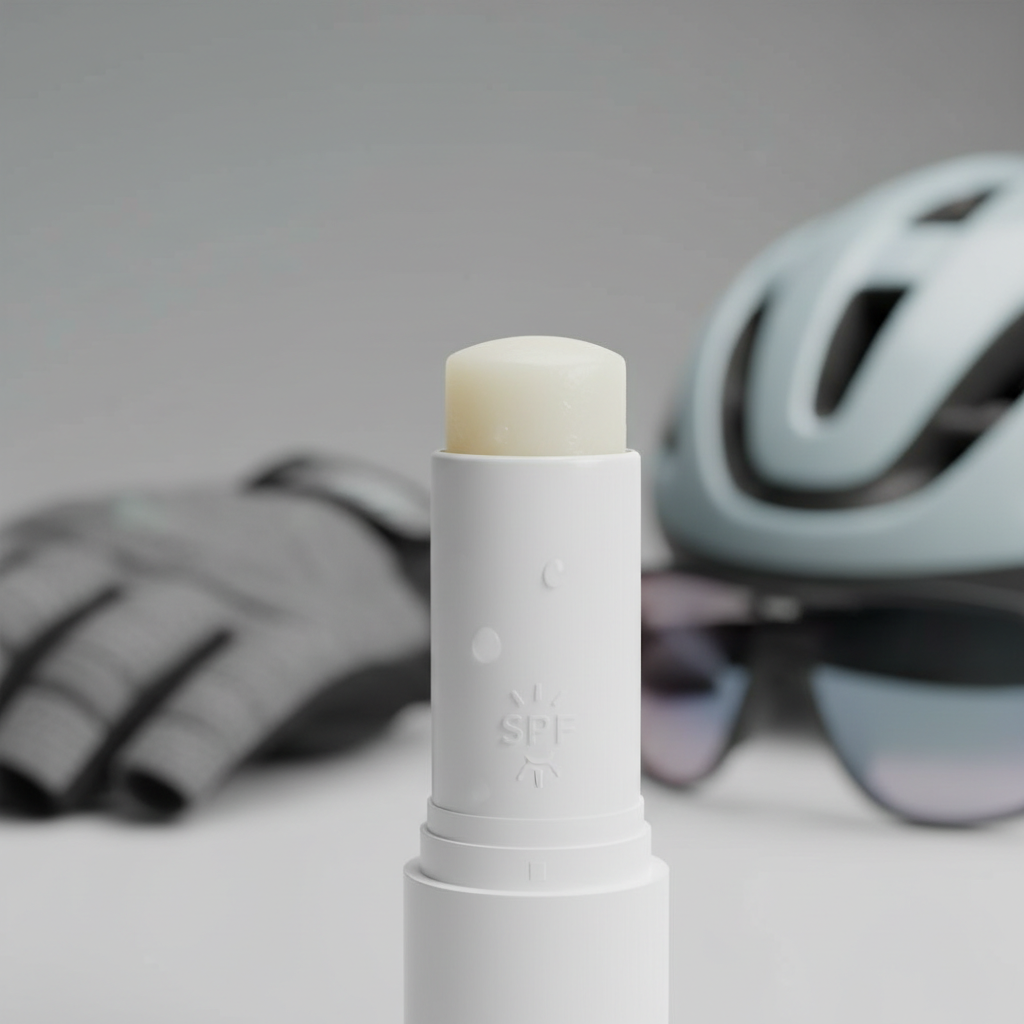
Key point: the best cycling lip balm with spf is often the one that fits your annoyance profile, because annoyance is what kills consistency.
Ingredients and SPF details that actually matter on a bike
You do not need to become a cosmetic chemist, but a few label cues can save you from buying something that fails under real riding conditions.
Mineral vs chemical UV filters
Mineral filters (often zinc oxide, titanium dioxide) can be gentler for some people, but may look whitish or feel drier. Chemical filters can feel more invisible, but some riders report irritation, especially on already-chapped lips. This is individual, and if you have recurring lip inflammation, it is reasonable to consult a dermatologist.
Occlusives and emollients
Petrolatum, waxes, and butters reduce water loss and help with wind burn. Too much slip can backfire in heat, so you are balancing barrier with grip.
Flavor and fragrance
Minty “tingle” feels refreshing but can sting on cracked skin, and fragrance can be an irritant for some. When in doubt, go simple.
Water resistance claims
Many lip balms do not use the same water-resistance labeling as body sunscreen. Assume you still need frequent reapplication if you sweat heavily, drink often, or wipe your mouth.
How to apply SPF lip balm on rides (so it keeps working)
Most riders apply once at the start and call it done. That is the easiest way to turn “SPF lip balm” into a placebo.
- Pre-ride: apply 10–15 minutes before rolling so the film sets, then do a quick second swipe right as you start.
- On the bike: reapply every 60–90 minutes in strong sun, sooner if you are drinking a lot or licking your lips. If you are unsure, err on the frequent side.
- After a climb or stop: sweat and wiping tend to remove coverage, so that is a smart reapply moment.
- Cold or high-wind days: use a slightly thicker layer, but keep it non-goopy to avoid collecting grit.
Small habit that helps: store the stick in the same pocket every ride, so you do not “forget it exists” until damage is done.
Common mistakes that make SPF lip balm fail
These are the patterns I see most often when riders say “SPF lip balm never works for me.” Usually it can work, but the routine has gaps.
- Only applying once: long exposure plus eating, drinking, and wiping breaks coverage.
- Picking ultra-glossy formulas for dusty routes: they feel nice, then become sandpaper.
- Using strong menthol on already-chapped lips: the sting can trigger less use, which creates a bad loop.
- Ignoring the corners: the outer edges crack first, and they are easy to miss in a quick swipe.
- Assuming SPF 50 means “all day”: SPF does not replace reapplication, it just sets the baseline protection when coverage is intact.
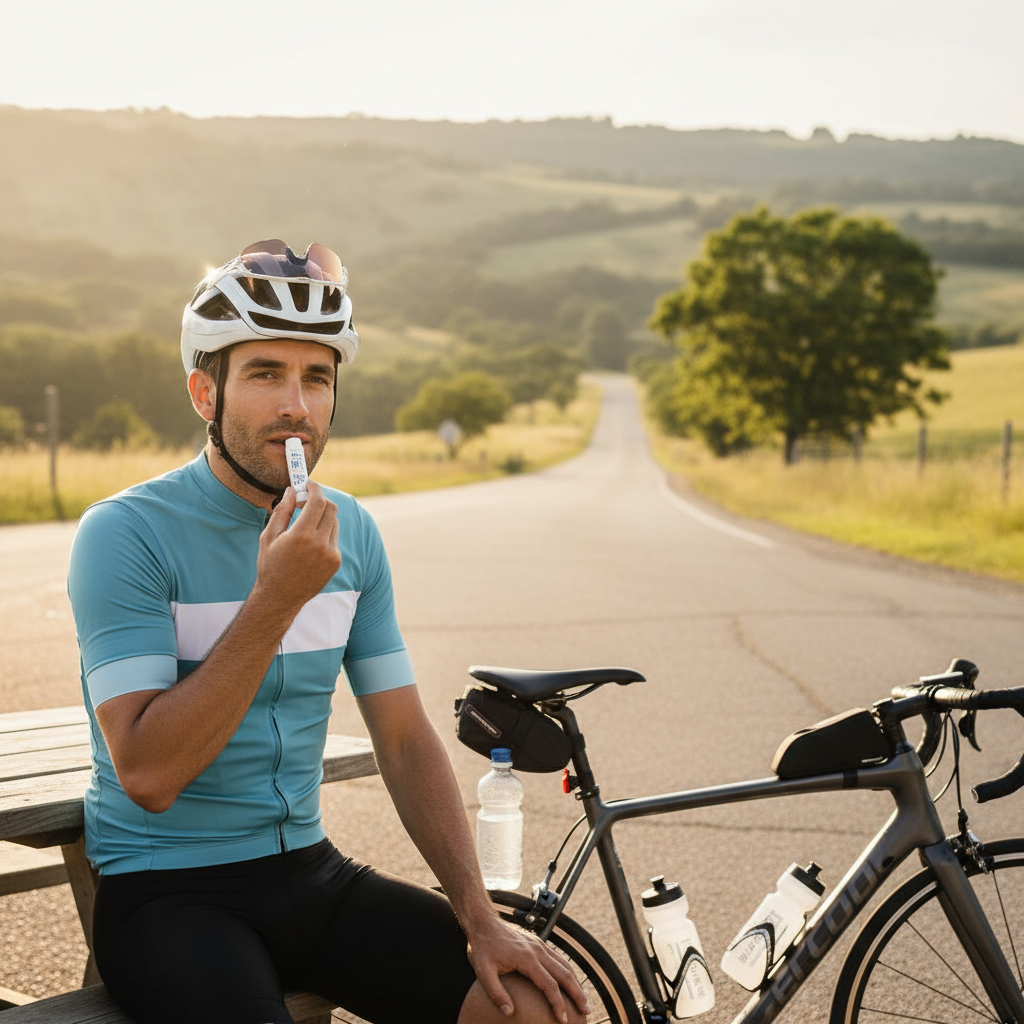
If you want a quick upgrade, focus on consistency before hunting for a magical formula, the best cycling lip balm with spf is the one you can keep using all season without hating it.
When to consider a different approach or professional help
Lip issues can be simple dryness, but sometimes there is more going on than “I need a better balm.” If any of these patterns show up, consider getting medical advice.
- Cracks that bleed often or do not improve with basic barrier care in a couple weeks
- Repeated swelling, hives, or burning after SPF lip products, which could suggest contact sensitivity
- Persistent sores, scaly patches, or changing spots on the lip, especially with heavy sun history
According to the American Academy of Dermatology, ongoing or changing lesions on sun-exposed skin should be evaluated by a clinician. This is not a place to guess.
Conclusion: a simple way to pick your 2026 ride-ready lip balm
Choosing the best cycling lip balm with spf is mostly about matching the formula to your conditions, then building a reapplication habit that survives real rides. If you take only two actions, make them these: buy a broad-spectrum SPF stick you do not mind reapplying, and set a timer or cue for reapplication on longer rides.
If you are shopping this week, use the table above, aim for SPF 30–50 for big sun days, and avoid textures that annoy you, because annoyance is where consistency goes to die.
FAQ
- What SPF is best for cycling lip balm?
For many riders, SPF 30 is a solid baseline, and SPF 50 can make sense for high UV days or long rides. The bigger factor is reapplication frequency, since coverage wears off with drinking and wiping. - Do I need broad-spectrum on a lip balm?
Yes, in most outdoor riding situations broad-spectrum helps cover UVA and UVB. UVA is easy to forget because you do not feel it the way you feel a burn, but it still contributes to damage. - Why does SPF lip balm make my lips feel drier?
Some formulas feel drying because of the base texture or mineral filters. Try a more occlusive, smoother balm, and avoid tingly flavors if your lips already have micro-cracks. - How often should I reapply SPF lip balm while cycling?
Many people do well with every 60–90 minutes in strong sun, plus after stops where you eat or wipe sweat. If you are unsure, reapply more often rather than relying on a single morning swipe. - Is mineral SPF better than chemical SPF for sensitive lips?
Often, mineral filters are tolerated well, but not always, and some mineral balms can feel chalky. If you have frequent irritation, test cautiously and consider dermatologist input. - Can I use regular sunscreen on my lips instead of lip balm?
Some facial sunscreens are not designed for lip contact and can taste unpleasant, which reduces compliance. A dedicated lip SPF product is usually easier to stick with. - Why do my lips burn even when I use SPF?
Common reasons include missed reapplication, uneven coverage on the lower lip, or product wearing off from drinking. Wind and dehydration can also mimic sunburn, so barrier and hydration still matter.
If you are trying to dial in a kit that works without overthinking, build a small “sun + wind” routine: a reliable lip SPF, a carry spot that keeps it accessible, and a reapply cue that fits your ride pattern, it is the most practical way to keep lips comfortable through 2026 miles.