
Injury Prevention is mostly about reducing avoidable risk, not trying to train “perfectly.” If you play sports, lift, run, or just stay active, the biggest wins usually come from a few repeatable habits: warm up with intent, progress training load gradually, and respect pain signals before they become a real problem.
This matters because many sports injuries aren’t random collisions, they’re the slow build-up kind: a tendon that gets cranky, a hamstring that tightens every week, a shoulder that stops liking overhead work. Those are the ones that derail seasons, cancel race plans, or quietly make you stop doing what you enjoy.

One common misunderstanding: “injury prevention” isn’t only stretching more. Flexibility can help in some cases, but it won’t fix a training plan that ramps too fast, ignores sleep, or repeats the same movement patterns until your joints complain. This guide focuses on practical choices you can make without overcomplicating your week.
What usually causes sports injuries (and what you can actually control)
Most athletes can’t control every variable, but you can control the big levers that often predict trouble.
- Training load spikes: big jumps in mileage, intensity, or volume often create the “I was fine, then suddenly not” story.
- Not enough recovery: sleep, rest days, and easier sessions are part of training, not a reward for finishing training.
- Technique breakdown under fatigue: form often looks good fresh, then collapses late in the session.
- Repetitive stress and poor variation: doing the same drills, same pace, same grip, same surface can concentrate stress in one tissue.
- Strength or control gaps: not just “weak,” but poor coordination at the hip, trunk, shoulder blade, ankle.
- Environment and equipment: worn shoes, slippery courts, sudden surface changes, or gear that doesn’t fit well.
According to the Centers for Disease Control and Prevention (CDC) and other public health guidance on physical activity safety, building activity gradually and using proper equipment are core ways to reduce injury risk, especially when starting or returning after time off.
A quick self-check: are you trending toward injury?
If you want a simple screen, use this before you “push through” another week.
Green light
- Soreness resolves in 24–48 hours and doesn’t change your movement.
- Pain stays at 0–2/10 and doesn’t worsen during the session.
- You can keep normal range of motion and speed.
Yellow light
- Pain shows up at the same point every session (first mile, first set, first sprint).
- You need longer warm-ups just to feel “normal.”
- You’re subtly compensating: limping, twisting, cutting depth, changing grip.
Red light
- Sharp pain, swelling, bruising, numbness, or instability.
- Pain that wakes you up or persists beyond a few days.
- You can’t load the area (can’t hop, can’t raise the arm, can’t bear weight) without significant pain.
If you’re in the red-light bucket, don’t treat this as an “injury prevention” issue anymore, it may need evaluation.
Warm-up and mobility: what to do in 8–12 minutes
A warm-up is not a formality, it’s a short bridge from normal life to sport demands. The goal is to raise temperature, wake up coordination, and prep tissues for speed and impact.
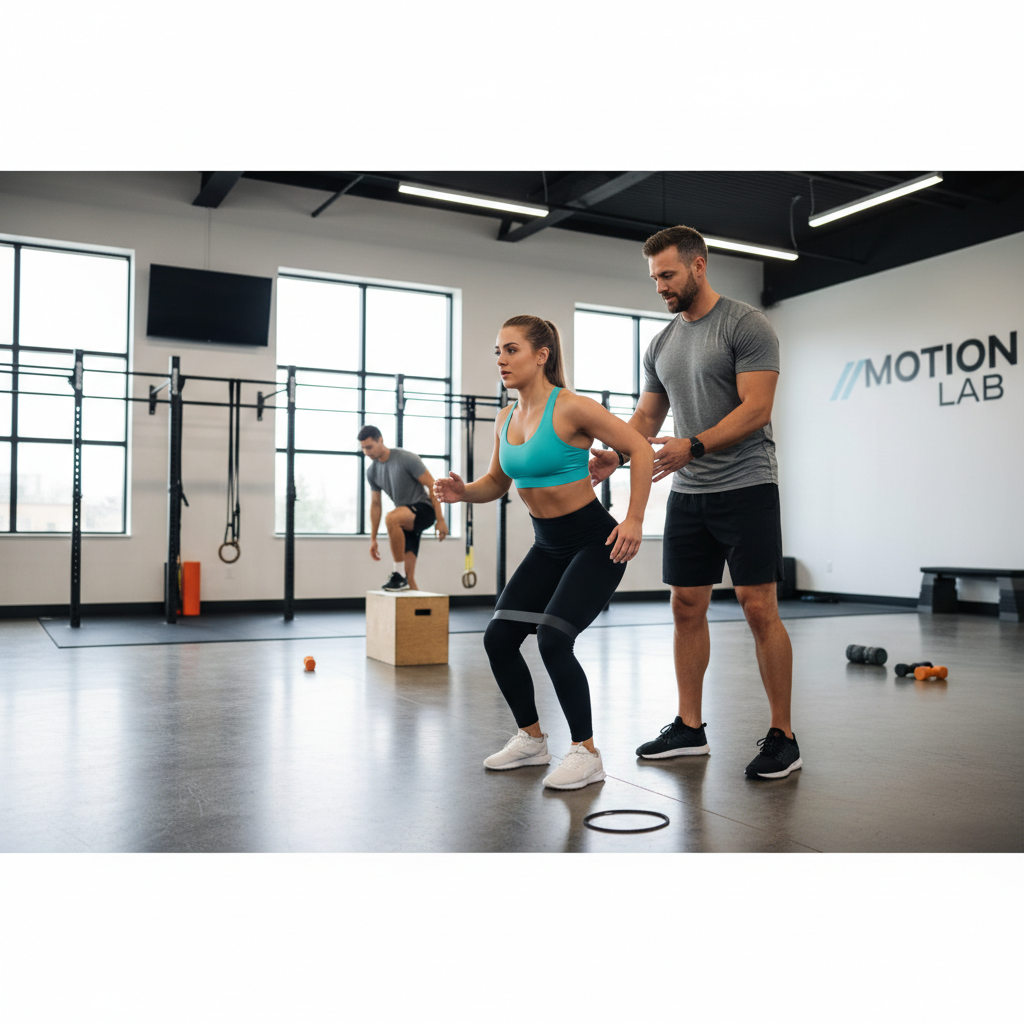
Simple warm-up template (pick 1–2 from each line)
- Raise heart rate (2–3 min): easy jog, jump rope, bike, brisk walk.
- Mobilize (2–3 min): ankle rocks, hip openers, thoracic rotations, arm circles.
- Activate/control (2–3 min): glute bridges, side steps with a mini band, dead bugs, scapular push-ups.
- Prime the pattern (2–3 min): 2–3 progressive accelerations, light sets of your lift, easy sport-specific drills.
If you’re short on time, keep the warm-up but shorten the main session, not the other way around. Many athletes do the opposite and then wonder why their first few reps feel “off.”
Smart training load: the simplest way to lower risk
Load management sounds fancy, but in real life it means avoiding abrupt changes. When people ask what matters most for Injury Prevention, this is usually where the answer lives.
Practical load rules that work for most recreational athletes
- Increase one variable at a time: mileage or speed or frequency, not all three in the same week.
- Plan “down” weeks: every 3–5 weeks, cut volume a bit to absorb training.
- Keep hard days hard, easy days easy: stacking medium-hard days is a common hidden problem.
- Return after a break slowly: tissues detrain faster than your motivation.
A quick weekly planning table (use as a starting point)
| Situation | Common mistake | Better approach |
|---|---|---|
| New to a sport | Doing “full” sessions immediately | Short sessions 2–3x/week, focus on technique and consistency |
| Returning after 2–6 weeks off | Jumping back to old numbers | Start at a reduced volume and rebuild gradually over 2–4 weeks |
| Adding strength work | Maxing out while also increasing cardio | Keep lifting moderate at first, add intensity later |
| In-season competition | Chasing fitness gains weekly | Maintain strength, prioritize recovery and skill |
According to the American College of Sports Medicine (ACSM), progressive overload and appropriate recovery are foundational concepts for safe fitness programming, especially when building capacity over time.
Strength and stability that transfer to sport
You don’t need a complicated program, but you do need a few movements that build resilience in the places that commonly fail: hips, trunk, calves/feet, and shoulders.
Pick 4–6 movements, 2–3 days/week
- Lower body: split squats, goblet squats, RDLs, step-ups
- Posterior chain: hip hinges, hamstring curls, glute bridges
- Trunk control: side planks, dead bugs, Pallof press
- Calf/foot: calf raises (straight and bent knee), short-foot drills
- Shoulder/scap: rows, face pulls, external rotation work
One useful litmus test: if your “support” muscles fatigue before your sport muscles, your technique tends to drift. That drift is where a lot of overuse issues start.
Recovery habits that actually move the needle
Recovery is where many injury-prevention plans quietly fail, because it’s less exciting than training. But it’s also where capacity is built.

Key recovery actions
- Sleep: aim for consistency. If sleep dips, consider trimming intensity for a few days.
- Fuel and hydration: under-eating can slow tissue repair; dehydration can worsen perceived effort.
- Easy movement: walking, light cycling, or mobility can reduce stiffness without adding stress.
- Schedule rest: at least one easier day weekly for many people, more if work stress is high.
According to the National Sleep Foundation, sleep supports physical recovery and performance. Exact needs vary, but consistent sleep is a reliable baseline habit for active people.
Common mistakes that look like “discipline” but increase risk
These show up all the time, especially with motivated athletes.
- Training through pain because you can still “tolerate it.” Tolerable pain can still be a warning.
- Copying advanced programs without matching the recovery capacity.
- Only doing prehab when something hurts, then dropping it once symptoms calm down.
- Using stretching as a fix-all. It can help feel better, but it may not address load or control issues.
- Ignoring small equipment issues like worn shoes or a bike fit that feels “close enough.”
Key takeaway: consistency with boring basics beats occasional heroic workouts for most Injury Prevention goals.
When to get professional help (and who to see)
If you’re unsure, getting a second set of eyes early can save weeks of frustration. It doesn’t always mean you need imaging or a long treatment plan, sometimes you just need a clear diagnosis and a progression.
- See a sports physical therapist for recurring pain, movement compensation, or return-to-sport planning.
- See an athletic trainer if you’re in a school or team setting and need on-field assessment.
- See a physician promptly for major swelling, suspected fracture, head injury symptoms, numbness/tingling, or instability.
For anything that feels urgent or severe, consider seeking care quickly, and if you suspect a concussion, follow a conservative approach and consult a qualified clinician.
Practical “this week” plan (keep it simple)
If you want a starting point that doesn’t require a total overhaul, try this for the next 7 days.
- Before every session: 8–12 minute warm-up using the template above.
- Two short strength sessions: 4–6 movements, stop with 2–3 reps in reserve.
- One recovery choice daily: earlier bedtime, easy walk, better post-workout meal, or a true easy day.
- One load check: identify the biggest spike you’re about to make, then reduce it.
This is how most sustainable Injury Prevention routines start: small, consistent, and easy to repeat when life gets busy.
Conclusion: stay in the game by stacking small advantages
You don’t need to eliminate risk to be safer, you need to manage it. If you warm up with purpose, build training load gradually, and treat recovery as training, you’ll often notice fewer “mystery aches” and more steady progress.
Pick one change you can keep for a month, not five changes you drop in five days. If pain keeps returning, get help early, it’s usually the faster path back to doing what you like.
FAQ
How often should I do injury prevention exercises?
For many recreational athletes, 2–3 short sessions per week is enough to make a difference, especially if you also warm up well. More isn’t always better if it cuts into recovery.
Is stretching enough for injury prevention?
Stretching can reduce stiffness and feel good, but it rarely solves the main drivers like load spikes or strength/control gaps. Pair mobility with gradual progression and basic strength work.
Should I stop training when something hurts?
It depends on the type of pain. Mild soreness that fades and doesn’t change movement can be okay, but sharp, worsening, or persistent pain is a sign to reduce load and consider professional advice.
What’s the best warm-up for preventing sports injuries?
A good warm-up usually includes light cardio, mobility, activation, and a few sport-specific reps that build intensity gradually. The “best” one is the one you’ll do consistently.
How do I return to training after an injury or time off?
Start below your previous volume and rebuild step by step, watching how symptoms respond over 24–48 hours. If you’re unsure, a sports PT can help set a progression that matches your sport.
Do I need special shoes or braces for injury prevention?
Sometimes equipment helps, but it’s not a substitute for smart training. Worn or inappropriate shoes can contribute to issues, while braces may be useful in specific cases under professional guidance.
Why do I keep getting the same injury?
Recurring problems often mean the underlying driver never changed: the same load pattern, the same technique under fatigue, or a strength/control gap. A targeted assessment can clarify what’s missing.
If you’re trying to make Injury Prevention feel less overwhelming, a simple approach is to audit your weekly load, set a repeatable warm-up, and keep strength work short and specific. If you want, share your sport and typical week, and I can help you outline a realistic plan to reduce risk without turning your schedule into a second job.