
Running Shoes are one of the few gear choices that can change how your body feels after every mile, so picking the right pair matters more than the brand name on the side.
If you’ve ever bought a “highly rated” shoe and still ended up with hot spots, knee aches, or a weird numb toe, you’re not alone, most people shop by hype, then wonder why the fit feels off after 20 minutes.
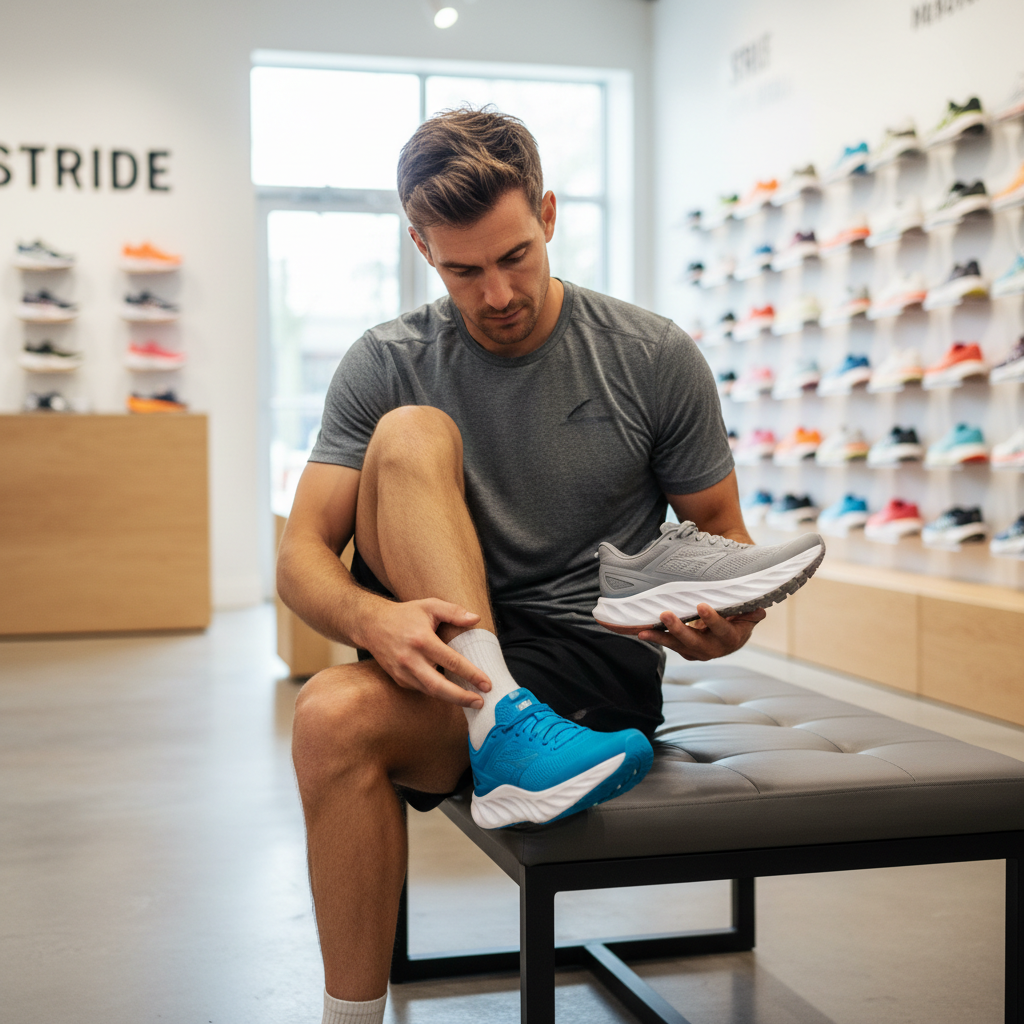
This guide keeps it practical: how shoes should fit, what “support” really means, how to match a shoe to your terrain and weekly mileage, and how to test a pair so you don’t learn the hard way.
Start with your running context (not the shoe wall)
Before you look at models, get clear on where and how you run, because the “right” shoe for a 10K training block often feels wrong for casual treadmill miles.
- Surface: road, treadmill, track, gravel paths, or technical trails
- Weekly volume: occasional runs, 10–20 miles/week, or 30+ miles/week
- Pace and goals: easy runs, long runs, speed work, racing
- History: recurring blisters, plantar fascia irritation, knee pain, stress reactions
According to American Academy of Podiatric Sports Medicine (AAPSM)... shoe choice should consider your foot type, biomechanics, and intended activity, not just style or trend, which is why context beats guesswork.
Fit is the priority: how Running Shoes should feel on day one
Fit problems usually show up as rubbing, toe bang, or arch pressure, and none of those get magically better after “break-in,” even though people keep hoping.
Quick fit checklist (in plain language)
- Toe room: about a thumb’s width in front of your longest toe when standing
- Midfoot hold: snug, not squeezing, no sliding side-to-side on turns
- Heel security: minimal lift when you walk fast or jog, without cutting into the Achilles
- Hot spot check: no obvious pressure points within the first 2–3 minutes
Try shoes later in the day if you can, feet often swell a bit after work or training, and that’s closer to how they’ll feel on a real run.
Understand cushioning, support, and stability (without getting lost)
Most marketing terms are vague, but the feel underfoot is real, cushioning level, stability features, and shape will influence comfort and fatigue.
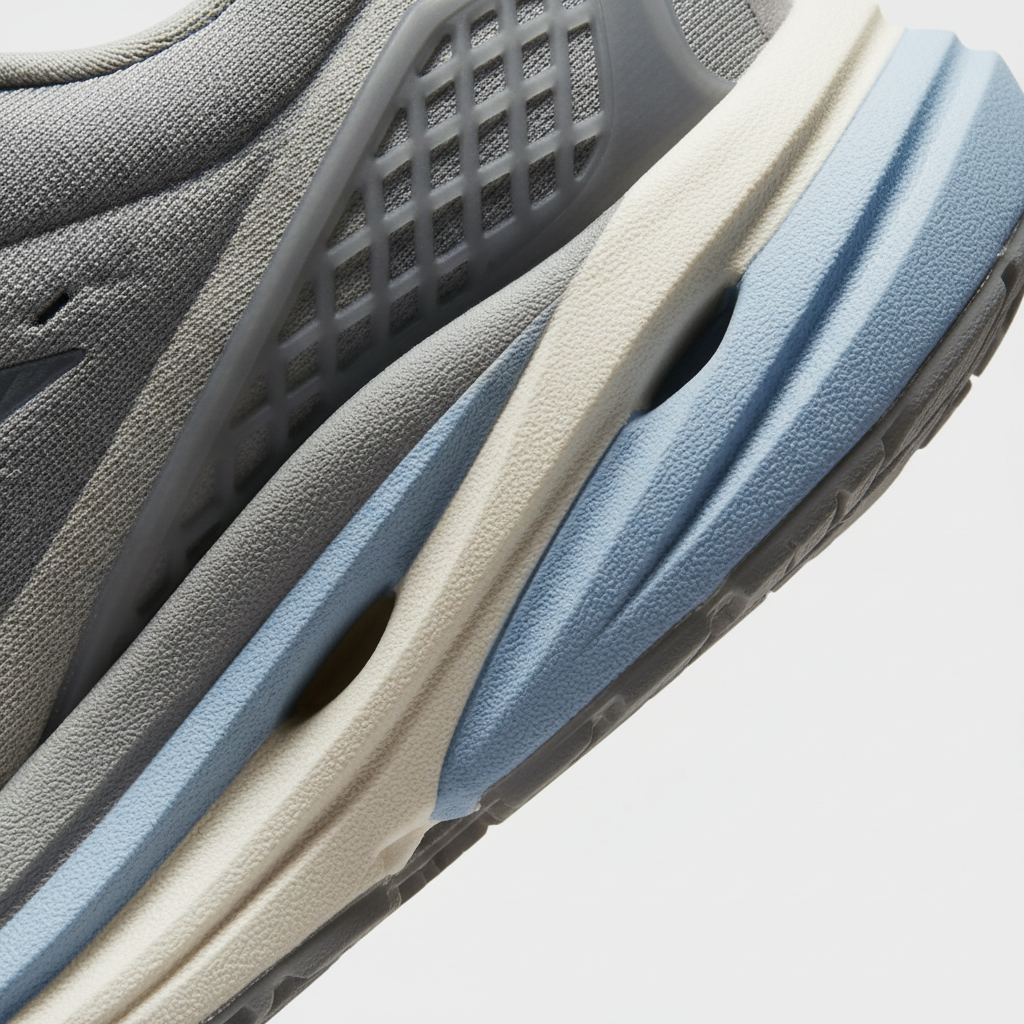
Cushioning: soft vs responsive
- Softer cushioning can feel forgiving on easy miles, but if it’s too soft for you, it may feel “mushy” or unstable.
- More responsive cushioning often feels snappier for faster running, but some runners find it harsh on long days.
Stability: when it helps and when it annoys
Stability features aim to guide motion and reduce excessive inward rolling, but they can feel intrusive if your stride doesn’t need them. If a shoe forces your foot in a direction, you’ll notice it quickly.
According to American College of Sports Medicine (ACSM)... comfortable shoes that match the activity are a practical starting point, since discomfort tends to change form and load, which can snowball.
Pick a shoe type that matches your terrain and workouts
A lot of pain comes from using one pair for everything, then blaming your body. You don’t need a closet full of options, but you do want the right tool for the job.
| Use case | What to look for | Common mistake |
|---|---|---|
| Daily road miles | Balanced cushioning, reliable grip, durable outsole | Buying an ultra-light racer as an everyday trainer |
| Long runs | Comfort over 60–120 minutes, stable platform, roomy toe box | Ignoring toe room, then getting black toenails |
| Speed work | Lighter feel, responsive midsole, good lockdown | Choosing overly soft foam that feels wobbly at pace |
| Trail running | Lugged traction, rock protection, secure upper | Wearing road shoes on loose dirt and blaming “clumsy ankles” |
| Treadmill | Comfort and breathability, traction needs are lower | Over-prioritizing aggressive grip or heavy trail outsoles |
Self-check: which category are you in?
If you’re not sure where to start, this quick sorting step saves time and returns.
- You’re a “comfort-first” runner if you mainly do easy runs, you finish feeling beat up, or you’re rebuilding consistency.
- You’re a “performance-mix” runner if you do intervals or tempo once a week and want a shoe that stays lively.
- You’re a “support-sensitive” runner if certain shoes instantly irritate arches, ankles, or knees, even at low mileage.
- You’re a “fit-problem” runner if you regularly get blisters, toe numbness, or heel slip across brands.
Once you know your bucket, you can shop smarter: comfort-first often means prioritizing stable cushioning and forgiving uppers, while fit-problem runners should focus on last shape, width options, and lacing methods.
How to test Running Shoes like you mean it (store and home)
Most people do a quick walk, then check out. Better than nothing, but you can do more in five minutes.
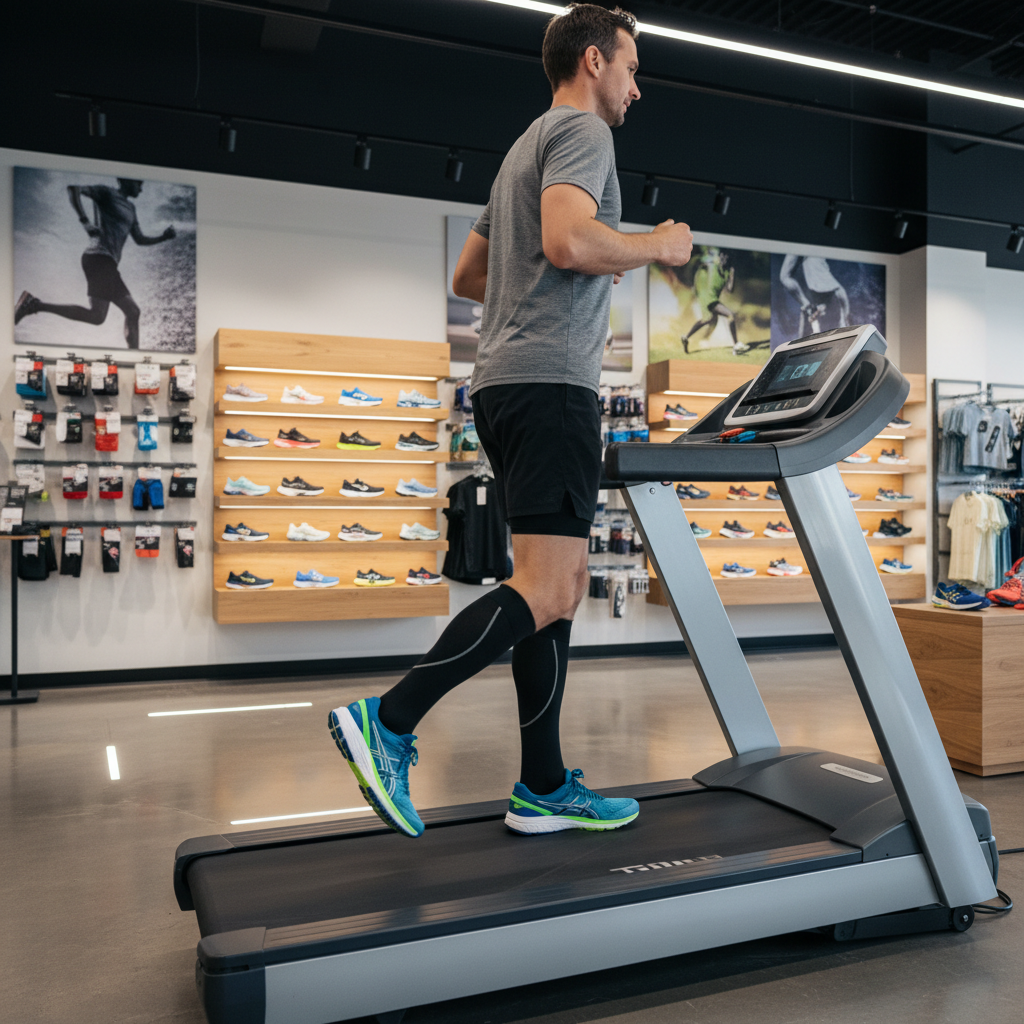
In-store mini test
- Wear your running socks, or at least similar thickness.
- Lace them firmly, then do a brisk walk and a short jog if the store allows it.
- Try a few sharp turns, if the upper slides, your foot will work overtime to stabilize.
- Pay attention to the first “nope” feeling, pressure usually gets worse over distance.
At-home decision test (during return window)
- Do a short, easy run on your usual surface if returns allow, keep it controlled.
- Check for toe rub on downhills, forefoot numbness, or heel irritation after 15–20 minutes.
- Look at where the shoe creases, severe creasing near the big toe joint can hint at shape mismatch.
According to Federal Trade Commission (FTC)... return policies and advertising claims can vary by retailer, so it’s worth reading the fine print before you “test outside.”
Common mistakes that waste money (and how to avoid them)
- Chasing a “fix” for pain: a new pair might help comfort, but persistent pain may need a clinician’s assessment.
- Buying too small: many runners size up, but the right choice depends on foot shape and swelling, not rules.
- Assuming one shoe fits all runs: even adding a second pair for rotation can reduce repetitive stress for some runners.
- Over-trusting pronation labels: stability vs neutral is a starting point, not a diagnosis.
- Ignoring wear patterns: if the outsole is smooth on one side, your gait and terrain might be demanding more grip or stability.
When to get professional help (and what to ask)
If you’re dealing with recurring pain, numbness, or symptoms that change your gait, it’s smart to pause and get input. A running store fit session can help, but medical questions belong with medical pros.
- See a clinician if pain is sharp, worsening, or tied to swelling, tingling, or night pain.
- Consider a physical therapist who works with runners if your form changes when fatigue hits.
- Ask a specialty running store about width options, last shape, and lacing fixes, not just “what’s popular.”
According to American Physical Therapy Association (APTA)... physical therapists can evaluate movement patterns and guide return-to-running plans, which is often more useful than swapping shoes repeatedly.
Key takeaways you can use today
- Fit beats features, if the shoe irritates you in minute one, it usually won’t become your favorite at mile six.
- Match the shoe to the job, daily trainer for most miles, a second pair only if your training actually calls for it.
- Test with intention, quick jog, turns, and a short controlled run during the return window can save real money.
- Keep boundaries in mind, shoes can improve comfort, but they don’t replace evaluation for persistent pain.
Conclusion: choose the shoe that disappears under you
The right pair usually feels boring in a good way, your foot sits calmly, your heel stays put, and you stop thinking about your shoes mid-run. If you’re shopping this week, shortlist two or three options, test them the same way, and pick the one that stays comfortable when you pick up the pace a touch.
If you want one simple action step, check toe room and heel lock first, then worry about foam and features, that order avoids most avoidable mistakes.
FAQ
How often should I replace Running Shoes?
Many runners replace pairs after a few hundred miles, but it varies with body weight, surfaces, and foam durability. If cushioning feels “dead,” new aches show up, or the outsole is noticeably worn, it may be time.
Do I need stability shoes if I overpronate?
Not always. Some runners do well in neutral shoes even if they pronate, while others feel better with mild guidance. Comfort and control during turns often tell you more than a label.
Should running shoes feel tight or loose?
Snug in the midfoot and heel, roomy at the toes. If your toes feel cramped or the upper presses on the top of your foot, that usually becomes a bigger problem on longer runs.
Is it okay to size up a half size for running?
Often yes, especially for long runs, but sizing depends on toe length, width, and how much your feet swell. The better rule is toe space plus secure heel, not the number on the box.
Can the wrong shoes cause knee or shin pain?
They can contribute, especially if the shoe changes your stride or feels unstable, but pain is rarely one-factor. If symptoms persist or intensify, consider consulting a qualified professional.
Are expensive Running Shoes always better?
Price usually reflects materials and design, not guaranteed fit. A mid-priced trainer that matches your foot shape can outperform a premium model that rubs or slips.
Should I rotate between two pairs?
For many runners, rotation helps by varying stress and giving foam time to rebound, but it’s not mandatory. If you run frequently or mix workouts, two different feels can be practical.
What’s the fastest way to avoid blisters?
Start with fit, then socks, then lacing. If you always blister in the same spot, it’s often a shape mismatch or heel movement problem rather than “bad skin.”
If you’re currently stuck between two models, or you keep buying shoes that feel fine in the box but wrong on the run, it may help to narrow options by your surface, weekly mileage, and fit priorities first, then test a couple pairs side-by-side so your feet, not the marketing, make the call.