
Shin Splints can feel like a simple nuisance at first, then suddenly every easy jog turns into a sharp reminder that something is off. The good news is that most runner shin pain responds well to a few boring-but-effective changes: backing off smartly, calming symptoms, and fixing the training or form problem that started it.
If you want value fast, this guide focuses on what runners usually need: how to tell whether you’re dealing with classic shin splints, what to do in the next 7–14 days, and how to rebuild without flaring things up again. I’ll also flag the scenarios that deserve a medical opinion, because not every “shin splint” is actually the same issue.
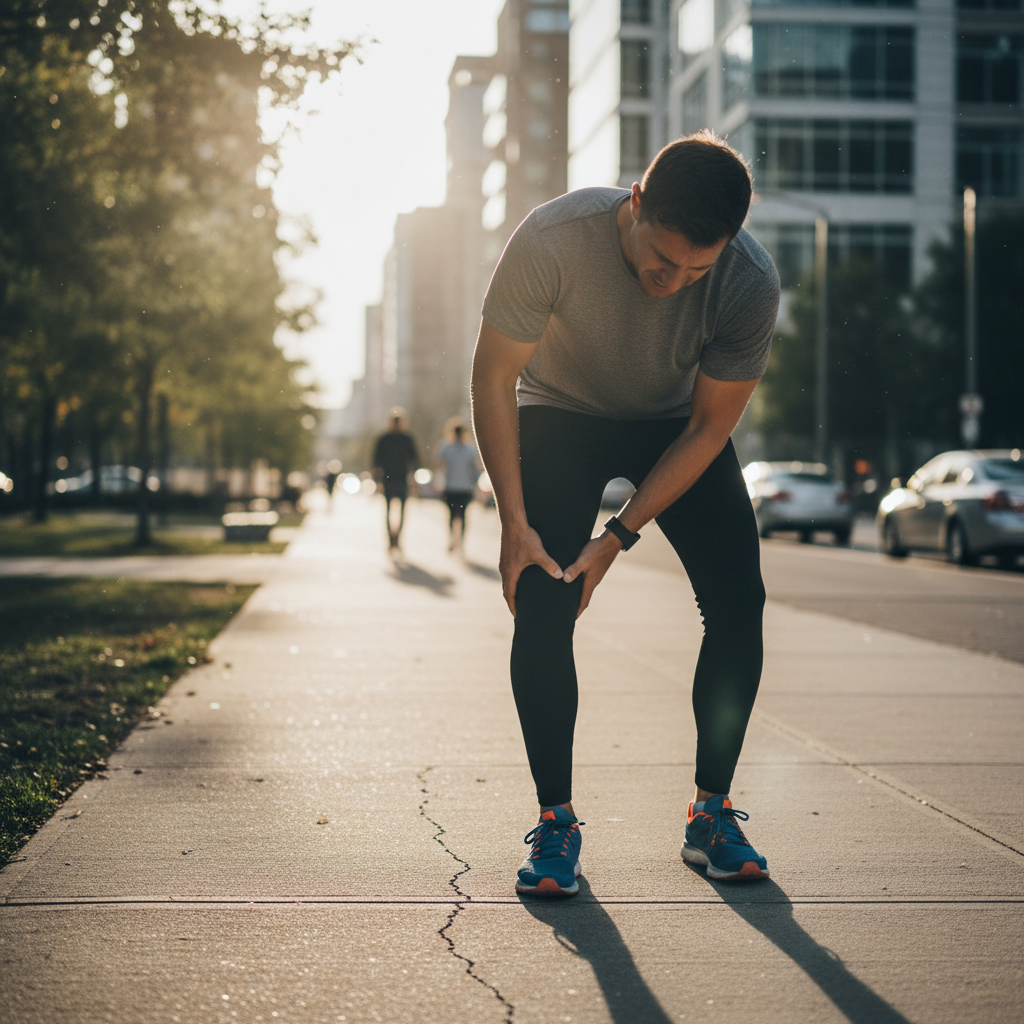
One quick mindset shift helps: the goal isn’t to “push through,” it’s to reduce the load on irritated tissue while keeping your fitness and routine intact. That usually means a short reset, then a structured return, not weeks of total rest unless symptoms force it.
What runners mean by “shin splints” (and why it matters)
Most people use “shin splints” as a blanket term for pain along the shin bone. Clinically, many cases match medial tibial stress syndrome (MTSS), irritation around the tibia where muscles and connective tissue attach. But runners can also have tendon irritation, nerve issues, or a bone stress injury that needs a different approach.
According to American Academy of Orthopaedic Surgeons (AAOS), shin splints commonly show up with running and jumping activities and often relate to training errors or overuse. Translation: the fix usually lives in your training inputs and your recovery habits.
Typical MTSS pattern
- Pain along the inner edge of the shin (often mid-to-lower third)
- Discomfort that may ease as you warm up, then returns after
- Tenderness spread over a broader area, not one pinpoint spot
Patterns that may be something else
- Pinpoint bony tenderness in one small spot, pain that worsens with hopping: possible stress reaction/fracture
- Tightness, cramping, swelling during runs that quickly improves with rest: possible exertional compartment issue
- Numbness/tingling into foot: possible nerve involvement
Why Shin Splints happen: the “too much, too soon” story (with details)
In real training logs, shin pain rarely appears out of nowhere. It usually follows a load spike that didn’t look dramatic in the moment, like adding speedwork while also changing shoes, or returning to hills after time off.
- Rapid volume or intensity jump: weekly mileage, long-run length, intervals, or hills increase faster than your legs adapt.
- Hard surfaces + fatigue: concrete plus tired calves can shift stress toward the shin.
- Shoe mismatch: worn-out midsoles, sudden change in heel-to-toe drop, or insufficient support for your needs.
- Calf/soleus weakness or stiffness: when the lower leg can’t manage load well, the tibia area often complains.
- Stride mechanics under load: overstriding and heavy braking can increase tibial stress, especially when tired.
One overlooked factor is “stacking changes.” Any single change might be fine, but two or three at once can push you over the edge.
Quick self-check: is it likely Shin Splints, and how severe is it?
This isn’t a diagnosis, but it’s a practical sorting tool for runners deciding what to do next. If you’re unsure, or symptoms feel intense, it’s reasonable to consult a clinician.
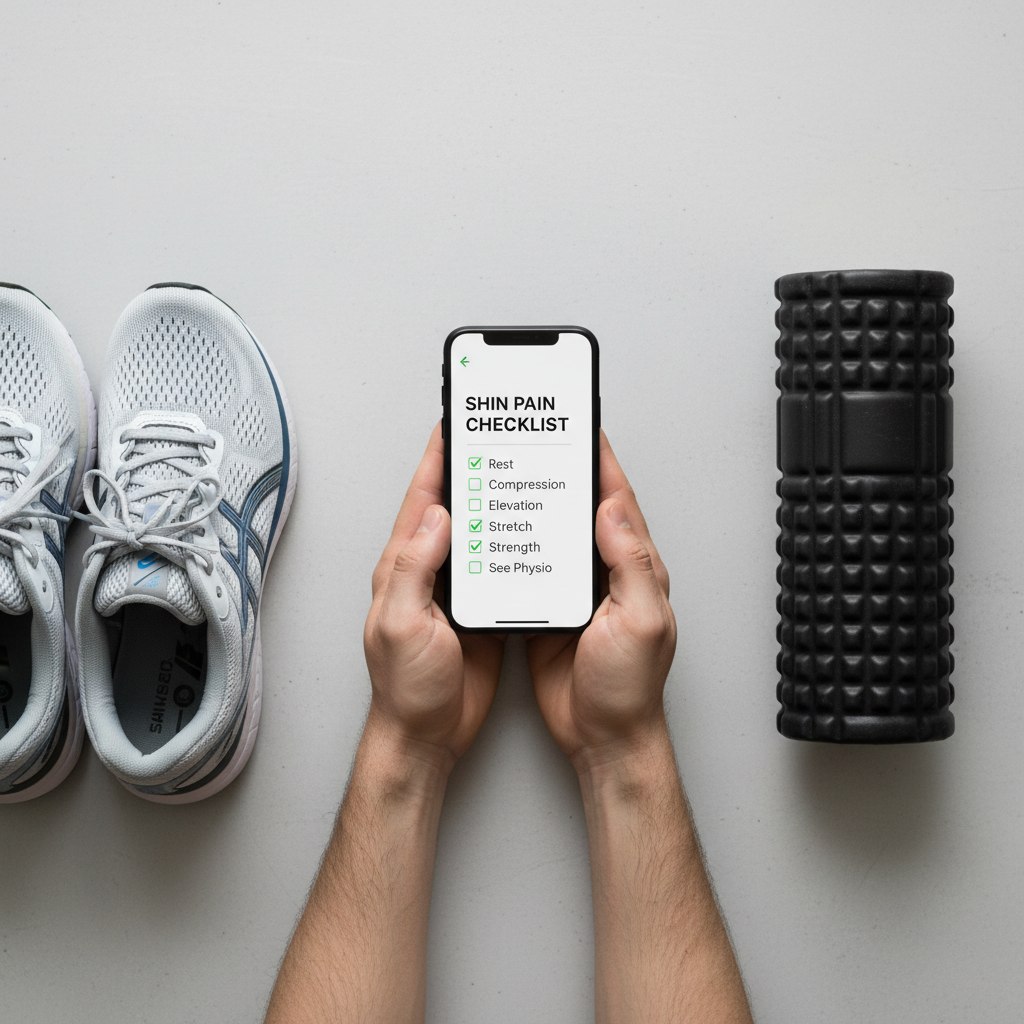
Green-light (usually manageable at home)
- Pain is mild (1–3/10) and improves within 24 hours after an easy run
- No limp, no pain at rest
- Tenderness is spread out, not pinpoint
Yellow-light (scale back and be cautious)
- Pain 4–6/10, you feel it early in the run
- Soreness lasts into the next day
- You can still walk normally, but stairs or hopping hurts
Red-light (stop running and get evaluated)
- Sharp pain >6/10, or you can’t run without limping
- Pinpoint bony pain, pain at night, or pain at rest
- Visible swelling, new numbness/tingling, or symptoms rapidly worsening
Shin Splints treatment: what to do in the next 7–14 days
Shin Splints treatment works best when you treat it like load management, not just a pain problem. You’re aiming to calm irritation while keeping tissues strong enough to handle running again.
Step 1: Adjust running load (without throwing fitness away)
- If you’re in green-light territory, keep runs easy and reduce volume 20–50% for 1–2 weeks.
- If yellow-light, take 3–7 days off running, then reintroduce short easy runs only if walking is pain-free.
- Swap in low-impact cardio: cycling, swimming, elliptical, or deep-water running.
Step 2: Calm symptoms (simple, not fancy)
- Ice can help short-term comfort after activity, especially in the first few days.
- Compression sleeves may reduce “awareness” of the area for some runners, results vary.
- Over-the-counter anti-inflammatories can have risks and aren’t right for everyone, consider asking a pharmacist or clinician.
Step 3: Start targeted strength (often the missing piece)
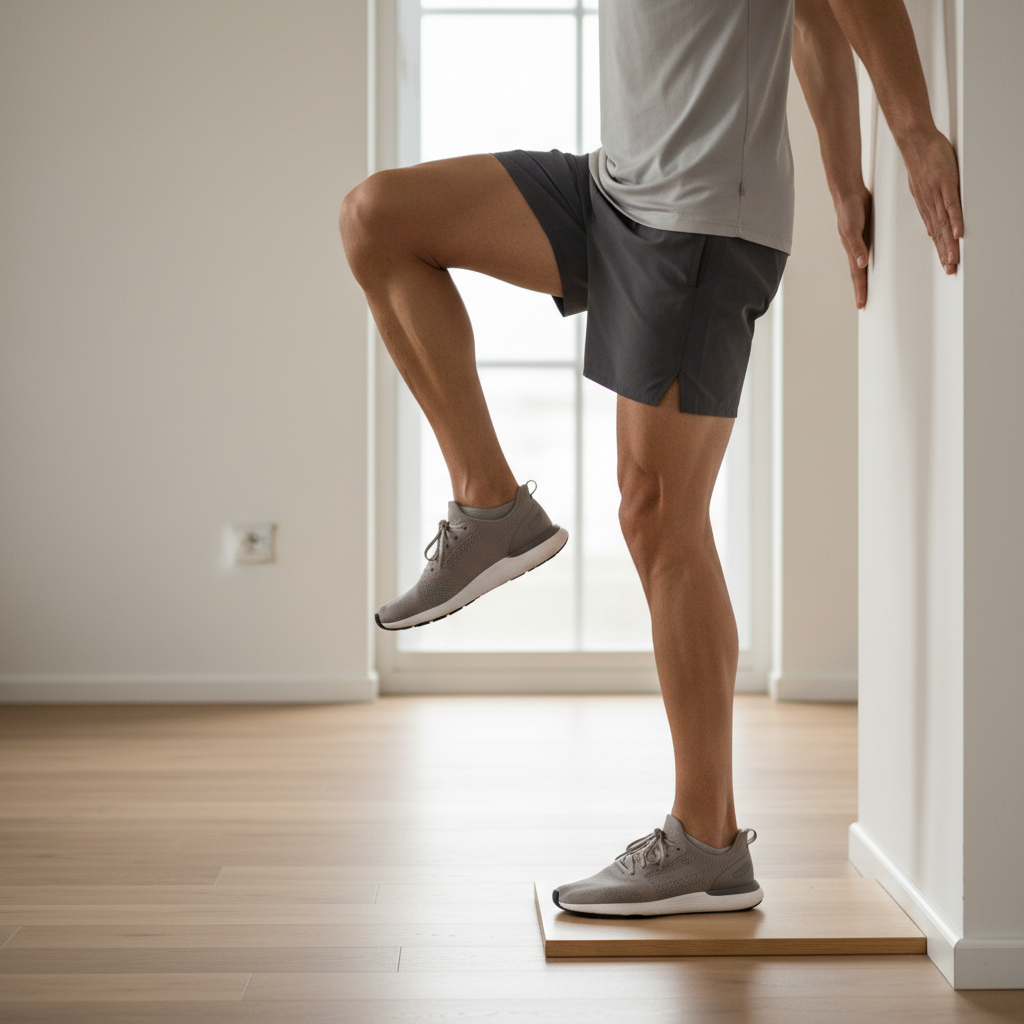
- Calf raises (straight-knee and bent-knee): 3 sets of 8–12, 3–4 days/week
- Tibialis anterior work (toe raises against wall or band): 2–3 sets of 12–20
- Foot intrinsics (short-foot exercise): 2–3 minutes total, broken into small sets
- Hip stability (side-lying leg raises, band walks): 2–3 sets of 10–15
If you only do one thing beyond rest, make it the calf/soleus strength work. Many runners feel better when the lower leg stops getting overwhelmed.
Return-to-run plan (practical, not heroic)
Here’s a conservative return plan that fits many mild-to-moderate cases. A key rule: pain during the run should stay mild, and symptoms should not be worse the next morning.
Simple progression table
| Phase | What you do | Move on when… |
|---|---|---|
| Reset (2–7 days) | No running, low-impact cardio, start strength | Walking is pain-free, no tenderness flare |
| Reintroduce (3–7 days) | Run/walk: 1–2 min run + 1–2 min walk for 15–25 min | Next-day symptoms stable or improving |
| Build easy runs (1–3 weeks) | Easy running only, add 5–10 min every few sessions | You can run 30–45 min easy without next-day increase |
| Add quality (later) | Light strides, then hills/tempo, then intervals | No pain trend upward across a full week |
Keep hills and speedwork out until easy mileage feels boring again. That “boring” stage is often where the tissue finally catches up.
Common mistakes that keep Shin Splints coming back
A lot of runners do “all the rehab things” but keep the one input that caused the issue. That’s why it returns two weeks later, right when you think you’re fine.
- Keeping intensity while cutting mileage: intervals on a “reduced week” can still overload the shin.
- Stretching only: flexibility can help comfort, but strength and load control usually matter more.
- Changing everything at once: new shoes, new stride, new plan, new surface, it becomes impossible to tell what helped.
- Ignoring soreness rules: if pain climbs run to run, the plan is too aggressive.
- Skipping recovery basics: sleep, fueling, and spacing hard days, they’re not optional when you’re rebuilding.
Key takeaways (save this)
- Load management beats pain-chasing: reduce what irritates, keep what you tolerate.
- Strength is treatment: calves, tibialis anterior, and hips usually pay off.
- Return slowly: easy first, quality later.
When to see a professional (and who to see)
Self-care works for many mild cases, but it’s not a badge of honor to DIY a possible stress injury. If any red-light signs show up, consider pausing running and getting assessed.
- Sports medicine physician or primary care clinician for diagnosis and imaging decisions
- Physical therapist for gait, strength, and return-to-run planning
- Podiatrist if foot mechanics, orthotics, or persistent foot/ankle issues seem involved
According to American College of Sports Medicine (ACSM), gradual progression and appropriate recovery are central to preventing overuse injuries. If you’ve had repeat episodes, getting a trained set of eyes on your plan and mechanics can save months of stop-start training.
Practical wrap-up: a runner-friendly plan you can start today
If Shin Splints have started to dictate your week, treat this as a short project: scale down the run load, keep fitness with low-impact work, and build lower-leg capacity with a simple strength routine. Most runners do better when they stop negotiating with pain and start measuring symptoms day to day.
Your next action can be small: choose a reset window (even 3–5 days), schedule two strength sessions, and plan a run/walk re-entry instead of “testing it” with a normal run.
FAQ
How long does Shin Splints treatment usually take for runners?
Mild cases often calm down in 1–3 weeks with load reduction and strength work, but timelines vary. If symptoms keep worsening or don’t improve after a couple of weeks of smart changes, it’s reasonable to get evaluated.
Can I keep running with shin splints?
Sometimes, yes, if pain stays mild, you don’t limp, and next-day soreness does not increase. If you need to change your gait to get through a run, that’s a sign to stop and reset.
Is ice or heat better for shin splints?
Ice tends to help short-term discomfort after activity, especially early on. Heat may feel good for stiffness, but it won’t fix the load problem by itself.
Do compression sleeves help Shin Splints?
They can make the area feel supported and may reduce symptom awareness for some runners. If you use them, treat it as a comfort tool, not the core solution.
What shoes are best if I’m prone to shin splints?
There isn’t one “best” model. Many runners do well in shoes that match their foot and training, with adequate cushioning and a midsole that isn’t worn out. If you’re unsure, a specialty running store or a clinician can help you narrow choices.
Are shin splints the same as a stress fracture?
No. Shin splints often involve diffuse tenderness and improve with reduced load, while stress fractures more often cause pinpoint bony pain and may hurt at rest. Because overlap exists, persistent or severe pain deserves professional assessment.
Should I stretch my calves every day?
Gentle stretching can help comfort, but aggressive stretching into pain can backfire. If you pick one habit, consistent calf and soleus strengthening usually has more payoff for recurring issues.
What’s a safe first workout back?
A short run/walk session on flat ground is typically safer than a continuous run. Keep it easy enough that you could talk in full sentences, then judge success by how your shin feels the next morning.
If you’re trying to return to running without guessing, a physical therapist or sports medicine clinician can help confirm what’s going on and tailor Shin Splints treatment to your training history, shoes, and strength gaps, which often speeds up the decision-making even when recovery still takes time.