
Water Sports can be one of the easiest ways to train your whole body without feeling like you got hit by a truck the next day, especially if running or heavy lifting makes your joints complain.
That said, “full-body fitness” means different things depending on your baseline, your comfort in water, and whether you want more cardio, strength, mobility, or just consistency. A sport that’s perfect for your friend might feel miserable for you, and that’s the part most fitness advice skips.
This guide breaks down which water-based activities hit which muscle groups, how hard they feel, what gear actually matters, and how to build a simple plan you can follow even with a busy schedule.
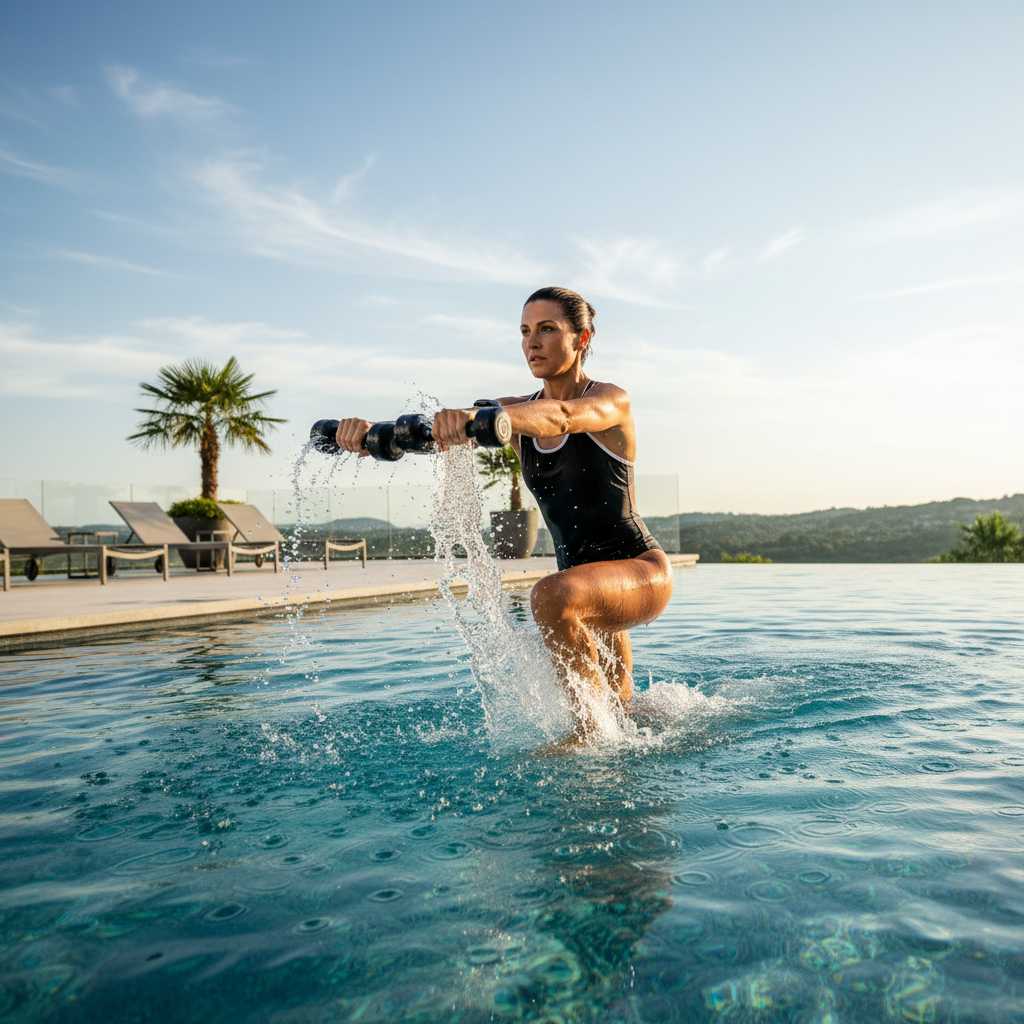
Why water workouts feel “easier” but still work
People often underestimate water training because it can feel smooth and low-impact, but the resistance is constant. Every push, pull, kick, and brace has the water pushing back.
Three reasons water-based training tends to deliver full-body results:
- Natural resistance in every direction, so you’re not only training the “lifting” phase like you might with weights.
- Lower joint load for many movements, which can help if you deal with knee, hip, or back irritation. You still need good form, and pain should be a stop sign.
- Built-in core work because balance on a board, in waves, or even in a lane forces your trunk to stabilize.
According to the Centers for Disease Control and Prevention (CDC), water-based exercise can be a joint-friendly option for many people, including those managing arthritis, though individual tolerance varies and medical advice can help if you have a condition.
Best Water Sports for full-body fitness (and what each one trains)
Not every activity hits the body the same way. Some lean cardio, others lean strength, and a few do both if you progress them intentionally.
Swimming (freestyle, backstroke, breaststroke, butterfly)
Swimming is the most “complete” option for many people because it blends aerobic work with shoulder, back, hip, and core engagement. It also scales well: you can start with short intervals and build volume.
- Primary focus: cardio endurance, shoulders/back, hips, core
- Watch-outs: shoulder overuse if technique breaks down, especially when fatigue hits
Rowing (on-water or indoor rower)
Rowing is technically a water sport, even when you train indoors. Done well, it’s a legs-and-glutes drive plus a strong back and core brace, with cardio benefits that add up fast.
- Primary focus: legs/glutes, back, core, conditioning
- Watch-outs: low-back strain if you rush the catch or collapse posture
Stand-up paddleboarding (SUP)
SUP looks relaxed until you do it in wind, chop, or for longer distances. The core, hips, and shoulders work continuously, and your balance improves without you “training balance” directly.
- Primary focus: core stability, shoulders, glutes/hips, posture
- Watch-outs: wrist/shoulder fatigue, sun exposure, dehydration sneaking up
Kayaking or canoeing
If you want upper-body endurance and mental decompression, paddling sports deliver. Longer sessions build back and shoulder stamina, and you’ll feel it in your trunk the next day.
- Primary focus: lats/upper back, shoulders, core rotation endurance
- Watch-outs: repetitive shoulder stress, poor posture in the boat
Surfing or bodyboarding
Surfing trains a weirdly useful mix: explosive pop-ups, paddling endurance, and constant core and hip adjustments. It’s also skill-heavy, which is a plus if boredom kills your routine.
- Primary focus: shoulders/back, core, hips, power-to-endurance mix
- Watch-outs: wipeouts, reefs, crowds, and fatigue-driven mistakes
Water polo or open-water swimming groups
If you need accountability, team or group formats can keep you showing up. They also add intensity spikes that steady-state workouts sometimes miss.
- Primary focus: conditioning, agility, shoulders, total-body endurance
- Watch-outs: intensity jumps quickly, recovery matters
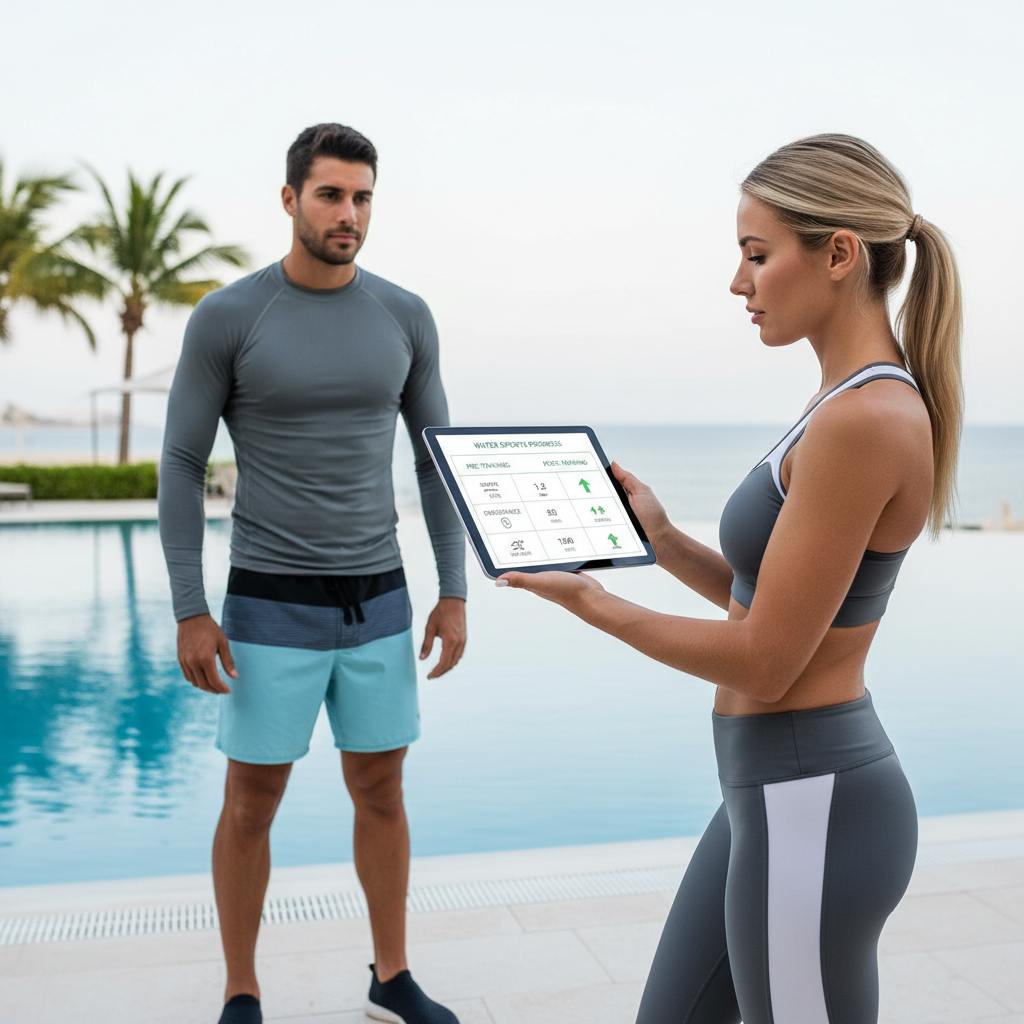
Quick comparison table: pick the right Water Sports match
Use this as a shortcut, then read the practical notes below so you don’t pick something that looks good on paper but fails in real life.
| Activity | Cardio | Strength | Skill learning curve | Best for |
|---|---|---|---|---|
| Lap swimming | High | Medium | Medium | All-around fitness, joint-friendly conditioning |
| Rowing | High | Medium-High | Medium | Leg drive + cardio, time-efficient sessions |
| SUP | Medium | Medium | Low-Medium | Core stability, posture, low-stress outdoor training |
| Kayaking | Medium | Medium | Low | Upper-body endurance, scenic longer workouts |
| Surfing | Medium-High | Medium | High | Skill-based training, power + balance + grit |
| Water polo | High | Medium | Medium-High | Competitive conditioning, social motivation |
A simple self-check: which option fits your body and schedule?
This is the part most people skip, then they blame themselves when consistency falls apart. A better approach is to pick a sport your week can actually support.
- If you want the most predictable workouts: pool swimming or an indoor rowing plan usually wins.
- If you get bored easily: surfing, water polo, or open-water groups keep novelty high.
- If your joints get cranky on land: lap swimming and water aerobics-style sessions tend to feel smoother, though you should still go gradually.
- If time is tight: rowing intervals or short swim sets can deliver a lot in 25–35 minutes.
- If you’re nervous in deep water: start with shallow-water classes, a calm pool, or coached sessions before committing to open water.
According to the American Heart Association, adults generally benefit from regular aerobic activity across the week; water-based training can count, as long as intensity and frequency fit your abilities and your clinician’s guidance when relevant.
Practical training plan (2–4 days/week) you can repeat
You don’t need a complicated program to get “full-body” benefits from Water Sports. You need repeatable sessions, a way to progress, and enough recovery to avoid nagging shoulder or hip issues.
2 days/week: consistency plan
- Day A (Technique + steady): 10 min easy warm-up, 15–25 min steady pace, 5 min easy cool-down.
- Day B (Intervals): 8–10 min easy, then 6–10 rounds of 30–60 sec hard + 60–90 sec easy, finish with 5 min easy.
3 days/week: fitness + skill plan
- Session 1: steady endurance (swim, row, long SUP paddle)
- Session 2: short intervals (pool sprints, rowing intervals, surf paddle sets)
- Session 3: skills day (stroke drills, paddling technique, surf pop-up practice on land)
4 days/week: higher volume without burning out
- Two easy-to-moderate sessions to build base
- One harder interval session to move your ceiling
- One mobility + easy water session to keep shoulders and hips happy
Key point: progress one variable at a time, longer distance or slightly more intensity, not both in the same week unless you already tolerate the load.
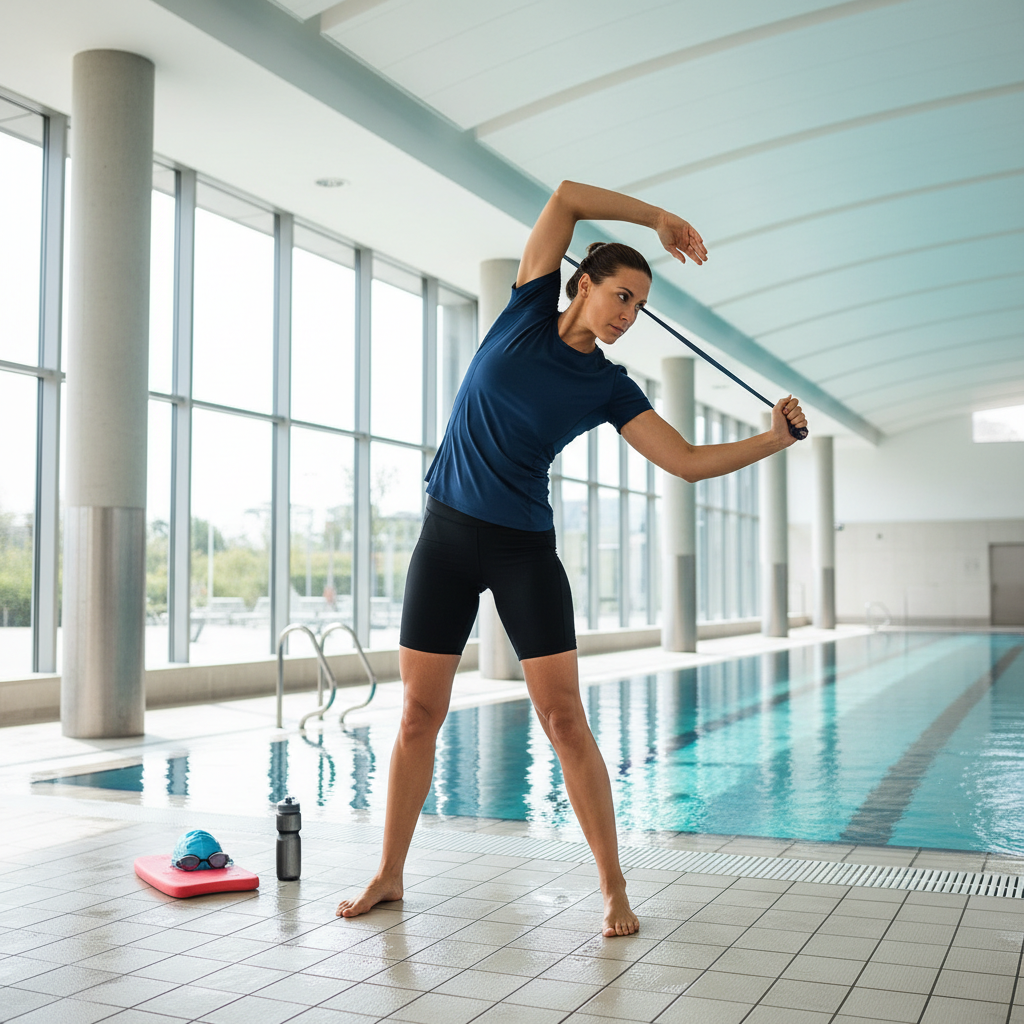
Technique and safety: what keeps people progressing
Water training feels forgiving until it suddenly doesn’t. Most setbacks come from fatigue, poor mechanics, or underestimating conditions outside a pool.
- Warm up your shoulders and hips for 5–10 minutes, especially for swimming, paddling, and surfing.
- Respect open-water variables: currents, temperature, visibility, and boat traffic change the risk profile fast.
- Use the boring gear when needed: life jacket for paddling sports, bright swim cap and buoy for open water, leash for board sports.
- Hydrate anyway, many people forget because they’re surrounded by water.
According to the U.S. Coast Guard, wearing a properly fitted life jacket is a key safety measure for recreational boating and paddling activities; if you’re unsure what to buy, ask a local outfitter for fit and category guidance.
Common mistakes that stall results (and easy fixes)
- Only going “easy” forever: keep most sessions comfortable, but add one modestly hard day weekly if your body tolerates it.
- Chasing distance while technique is messy: a few minutes of drills often beats another mile of poor form.
- Ignoring soreness patterns: shoulder pinching, numbness, or sharp pain deserves a pause and a check-in with a qualified professional.
- Doing zero strength work on land: even 2 short sessions weekly (pulls, presses, squats, hinges, trunk work) can make water sessions feel better.
If you want a quick “do this next” rule, keep it simple: add skill work when you feel stuck, add intensity when you feel bored, add recovery when you feel beat up.
Conclusion: how to choose a water sport you’ll keep doing
Water Sports work for full-body fitness when the choice matches your lifestyle and you give it enough time to compound. The best option is usually the one you can repeat weekly without dreading it, and that you can progress slowly without collecting shoulder or back aches.
Pick one primary activity for eight weeks, schedule two sessions you can protect on your calendar, then add a third day only when your recovery stays steady. If you have a medical condition, a history of injury, or you’re new to open water, it’s smart to consult a qualified coach or healthcare professional for personalized guidance.