
Waist Trainer products get marketed as posture fixes and “core support,” but the real value is narrower: they can offer short-term bracing and body awareness, and they can also cause discomfort if you size wrong or wear them too long. If your goal is to sit taller at a desk, feel more supported during light activity, or reduce that “collapsed” feeling through your midsection, a waist trainer might help in a limited, controlled way.
It’s worth caring about the limits, because posture problems rarely come from one place. A rounded upper back might be more about thoracic mobility and upper-back strength, and low-back ache can be tied to hip tightness, weak glutes, or long hours sitting. A wrap around your waist won’t fix those root causes, but it may make you notice when you’re slumping, which is sometimes the first step toward changing it.
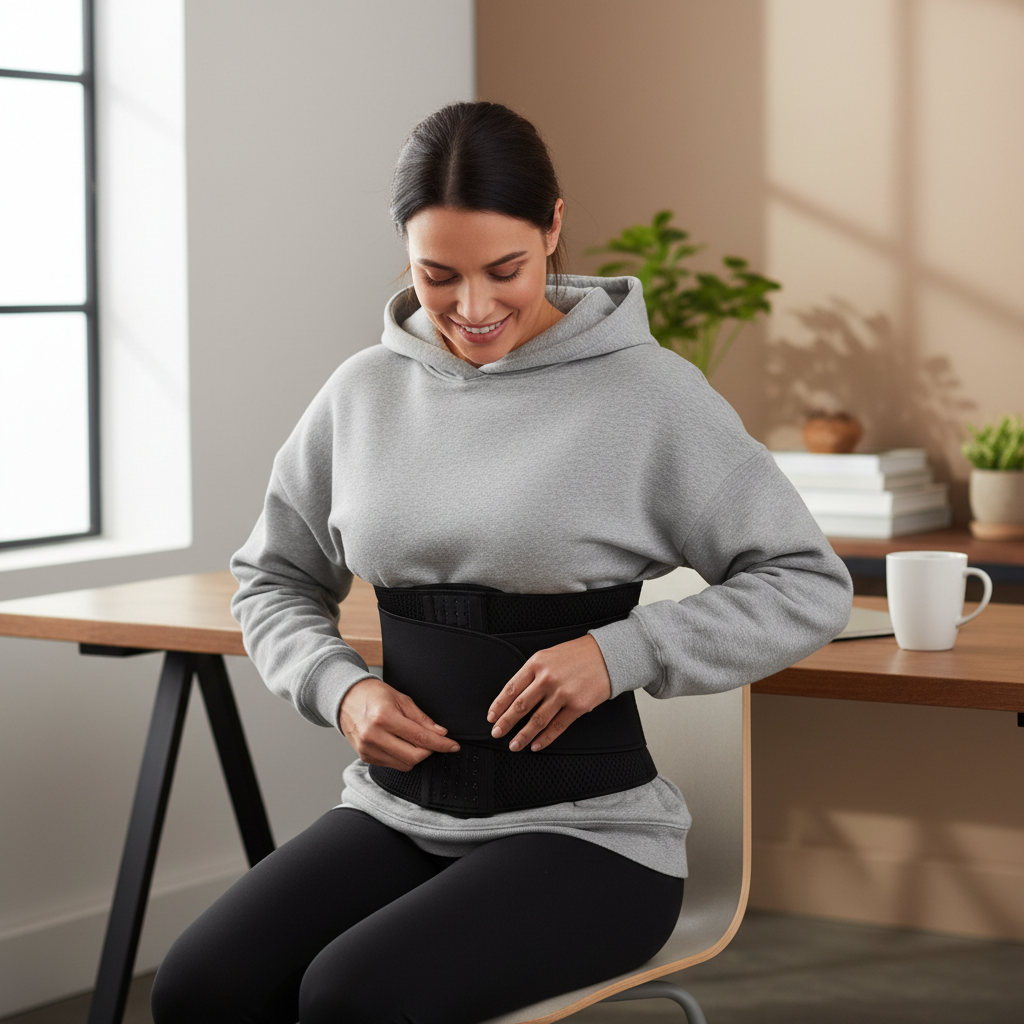
Also, there’s a lot of confusion online between “posture trainer,” “back brace,” “waist cincher,” and “waist trainer.” They’re not identical. This guide focuses on waist trainers used for posture cues and trunk support, what you can realistically expect, and how to wear one with fewer regrets.
What a Waist Trainer Can (and Can’t) Do for Posture
A waist trainer typically compresses the abdomen and lower ribs using latex, neoprene, or layered fabric with hooks or a zipper. That compression can change how you feel in your torso, which can influence posture behavior in the moment.
What it can do in many cases:
- Provide proprioceptive feedback, meaning it reminds you to stay upright because slouching feels “crowded.”
- Add light bracing during standing tasks, errands, or gentle workouts, similar to how some people use a lifting belt, but usually less rigid.
- Make breathing patterns more noticeable, which can nudge you toward slower, more controlled breaths (or, if too tight, the opposite).
What it usually can’t do:
- Correct spinal alignment long-term without strengthening and mobility work.
- Replace a medical brace for scoliosis, injury, or significant instability.
- “Train” fat loss in one area. According to the American Council on Exercise (ACE), spot reduction is not a reliable fat-loss method.
Common Reasons People Feel More Supported (or Worse) in One
Two people can wear the same waist trainer and have opposite experiences, and that’s not weird. Fit, body shape, breathing mechanics, and activity type matter a lot.
Reasons it may feel helpful
- You slump from fatigue, and the garment acts like a “tap on the shoulder” reminder.
- You sit for long blocks, and gentle compression reduces the urge to collapse forward.
- Postpartum or post-weight-change core weakness makes you feel unstable; light external support can feel reassuring. (If postpartum, it’s smart to check in with an OB-GYN or pelvic floor PT.)
Reasons it may feel worse
- It’s too tight, limiting rib expansion so you compensate by arching your back.
- You already rely on passive support, and bracing more makes your trunk feel “sleepy.”
- Digestive sensitivity, reflux, or bloating makes compression uncomfortable.
- Skin irritation from latex, seams, sweat, or friction.
Quick Self-Check: Are You a Good Candidate?
If you want an honest filter before you spend time breaking one in, run through this list.
- Your goal is support and awareness, not a permanent posture “fix.”
- You can breathe through your nose comfortably when it’s on (no air hunger).
- You can sit, stand, and bend without pinching, numbness, or sharp pressure.
- You’re willing to use it as a tool alongside exercises, not as the whole plan.
Consider skipping or getting medical advice first if you have uncontrolled high blood pressure, breathing disorders, hernia concerns, recent abdominal surgery, pregnancy, or persistent pelvic floor symptoms. According to the U.S. Food and Drug Administration (FDA), products marketed with extreme shaping claims have raised safety concerns in the past, so it’s reasonable to be cautious about aggressive compression and unrealistic promises.
Choosing the Right Waist Trainer for Posture and Support
Most disappointment comes from buying the wrong style for the job. Here’s a practical comparison you can screenshot.
| Type | Feel & support | Best for | Watch-outs |
|---|---|---|---|
| Latex/boned waist trainer (hooks) | Firm, structured, strong “cue” | Short wear windows, posture reminder while standing | Can restrict breathing if sized down; may roll on some body shapes |
| Neoprene waist trimmer (Velcro) | More flexible, warm | Light movement, walking, errands | Heat and sweat, skin irritation, strong odor retention if not washed |
| Longline style (covers more torso) | More coverage, steadier fit | Long torso, wants less rolling | Can dig into hips/ribs when sitting |
| Posture brace (shoulders + back) | Targets upper-back position | Rounded shoulders, desk posture | Not the same as waist training; can cause neck/shoulder tension |
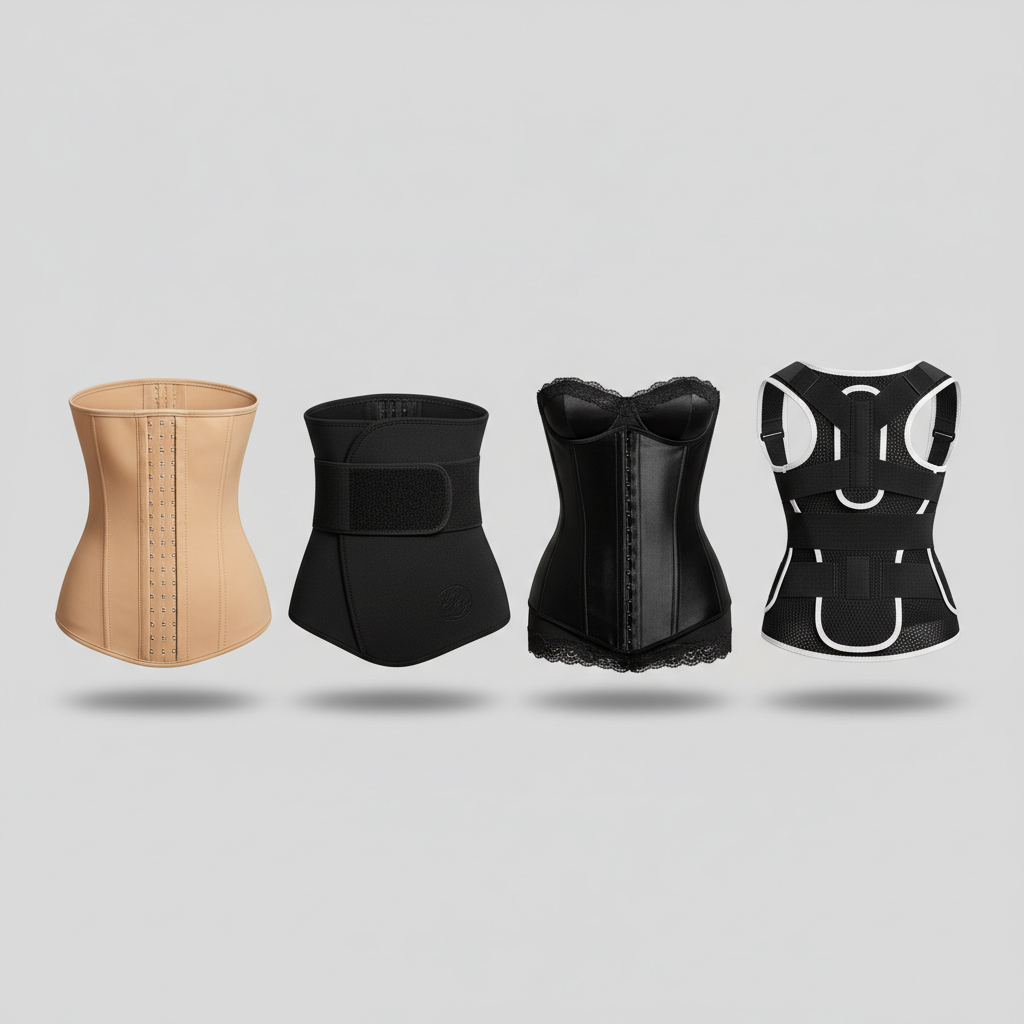
Fit rule that saves people: if you need to “earn” your first closure by barely breathing, it’s too small for posture support. Sizing down is where most comfort and safety problems start.
How to Wear It Safely: A Realistic Step-by-Step
A waist trainer works best as a short, intentional session, not an all-day uniform. Think “training wheels,” not “new anatomy.”
Step 1: Start with a short wear window
- Begin around 30–60 minutes at home where you can remove it easily.
- Stay at a comfortable tightness where you can talk normally and take a full breath.
Step 2: Use it during posture-relevant moments
- Desk work when you catch yourself folding forward.
- Light chores that trigger low-back fatigue.
- Walking, if you tend to over-arch or collapse through the ribs.
Step 3: Pair it with 5–10 minutes of “active” work
This is the part many people skip, then wonder why nothing changes. Keep it simple:
- Diaphragmatic breathing (expand ribs gently, don’t force the belly out against tight fabric).
- Dead bug or heel taps, slow and controlled.
- Glute bridge to reduce low-back takeover.
- Thoracic extension over a foam roller if you have upper-back rounding.
Step 4: Increase time gradually, and only if your body agrees
If you feel fine the next day, you can extend wear time in small increments. If you feel sore ribs, shortness of breath, pelvic pressure, or increased reflux, treat that as feedback, not something to “push through.”
Common Mistakes That Make Posture Worse
A waist trainer can backfire when it changes your mechanics in the wrong direction. A few patterns show up often.
- Wearing it too high, pushing into the ribs and forcing shallow chest breathing.
- Over-tightening to chase a silhouette, then compensating with rib flare and a bigger low-back arch.
- Using it during heavy lifts without knowing how to brace; a dedicated lifting belt and coaching may be safer for that use.
- Ignoring skin signals such as numbness, tingling, rash, or bruising.
- Expecting it to fix upper-back posture when your main issue is shoulders and thoracic spine.
When to Stop and Ask a Professional
Compression garments look simple, but bodies are not. If you run into any of the signs below, it’s usually smarter to pause and get individualized guidance.
- Shortness of breath, dizziness, or chest discomfort
- Pelvic heaviness/pressure, urinary leakage, or worsening diastasis concerns postpartum
- Persistent numbness, tingling, or radiating pain
- Digestive pain, reflux flare-ups, or significant bloating sensitivity
A physical therapist, sports medicine clinician, or qualified trainer can help determine whether you need mobility work, core coordination training, or a different support device. If you’re postpartum, a pelvic floor physical therapist often gives the most practical, body-specific guidance.
Key Takeaways (So You Don’t Overthink It)
- A waist trainer may help posture by cueing awareness, not by permanently correcting alignment.
- Comfort and breathing come first; sizing down is where problems tend to start.
- Use it in short sessions and pair it with basic strength and mobility work.
- If symptoms show up, treat them seriously and consider professional advice.
Conclusion: A Helpful Tool, Not a Whole Strategy
If you’re using a Waist Trainer for posture and support, the most realistic win is that it nudges you into better positions and gives a temporary “held together” feeling during specific parts of your day. The long-term payoff still comes from strengthening the muscles that hold you upright and loosening the areas that keep pulling you out of position.
Action-wise, keep it simple: choose a comfortable fit, wear it for short windows, and anchor the habit with 5–10 minutes of core and upper-back work. If your body pushes back with breathing or pelvic symptoms, take the hint and get help rather than tightening harder.
FAQ
Is a waist trainer good for posture while sitting at a desk?
It can be, especially if you slump from fatigue and want a reminder to stack ribs over hips. Many people do better using it for shorter desk blocks, then taking it off and doing a quick mobility break.
How tight should a waist trainer be for support?
Tight enough to feel a gentle hug, not so tight that breathing turns shallow or you feel pressure under the ribs. If you can’t take a comfortable full breath, it’s usually too tight for posture use.
Can a waist trainer weaken my core?
Overreliance on passive support can reduce how much you recruit trunk muscles during daily tasks. That’s why pairing it with core training and limiting wear time tends to be a safer, more useful approach.
Is it safe to work out in a waist trainer?
For light activity, some people tolerate it well, but higher-intensity training can be uncomfortable and may alter breathing and bracing. If you lift heavy or have symptoms, consider coaching or choose a purpose-built support option.
Will a waist trainer fix anterior pelvic tilt or swayback?
It might cue you to stop over-arching for a while, but it won’t address tight hip flexors, weak glutes, or rib flare by itself. Those patterns usually respond better to targeted strength and mobility work.
How long should I wear a waist trainer per day?
There’s no single number that fits everyone. Many people do best starting with 30–60 minutes and increasing only if comfort, breathing, and skin tolerance stay solid.
What’s the difference between a waist trainer and a posture corrector?
A waist trainer focuses on the midsection, while a posture corrector typically targets shoulders and upper back. If your main issue is rounded shoulders, a waist-focused product may not match the problem.
Practical Next Step (If You Want a Simpler Plan)
If you’re trying to choose a waist trainer for posture without wasting money on the wrong style, it helps to match the product to your daily routine, your tolerance for compression, and the type of support you actually need, then build a small exercise “anchor” so the garment stays a tool instead of a crutch.