
Yoga mat thickness is one of those small choices that can quietly make or break your practice, if your wrists ache in Down Dog or you feel wobbly in balance poses, thickness is often the reason.
A thicker mat usually feels softer, but it can also reduce stability, a thinner mat often grips the floor better, but it might not cushion sensitive joints. The “right” pick depends on what you do on the mat, where you practice, and how your body reacts to pressure points.
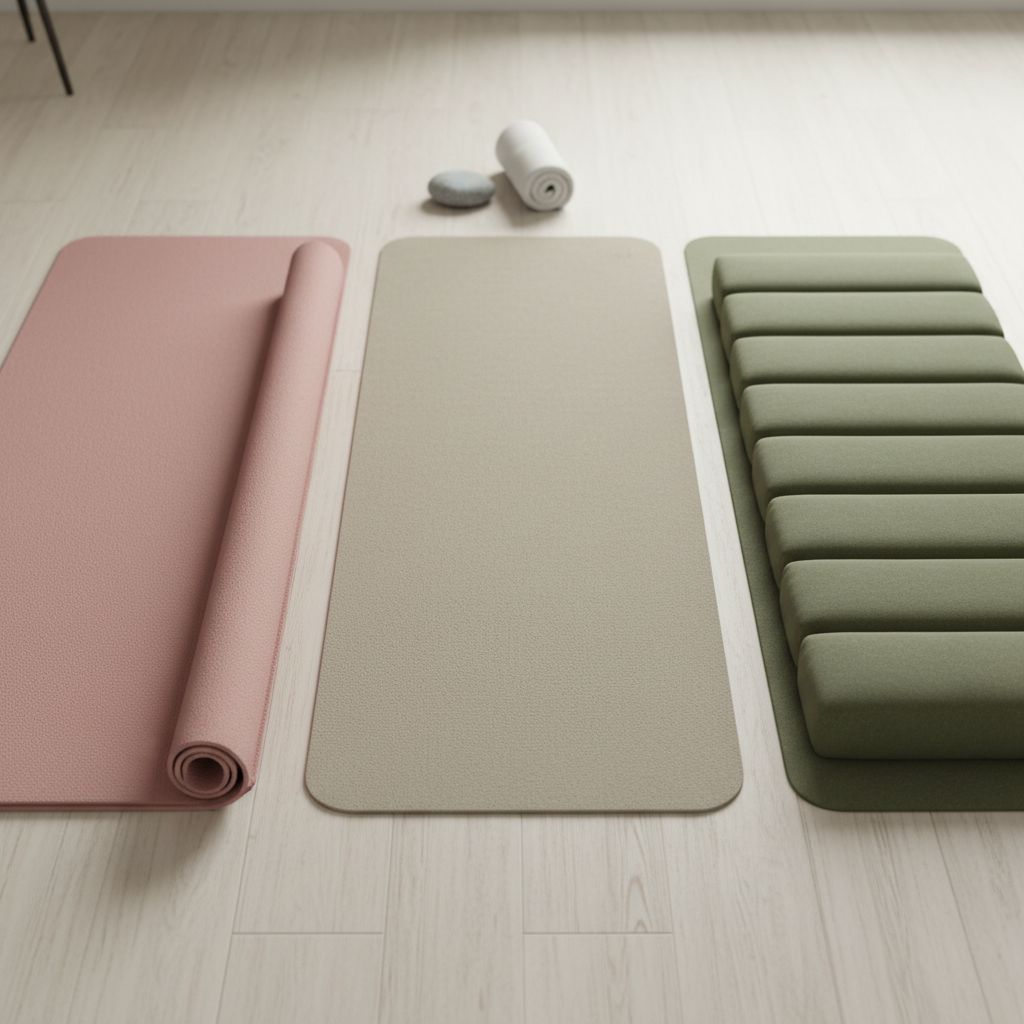
One more thing people miss, “soft” is not always “supportive.” Support is about how the foam compresses under your weight, not just the number on the label. This guide helps you match thickness to your practice style, body needs, and typical surfaces in the U.S., without overthinking it.
What “mat thickness” actually changes in your practice
Thickness affects three practical outcomes, comfort, stability, and portability. If you know which one matters most for you, the decision becomes much simpler.
- Comfort (pressure relief): More thickness can reduce pressure on knees, hips, elbows, and spine in kneeling or seated work.
- Stability (balance and alignment): Less thickness usually feels more “grounded,” which helps in standing balances and transitions.
- Fatigue over time: If you tense up to protect sore joints, you tire faster, the right cushion can help you relax.
- Grip and control: Thickness does not automatically mean slippery, but very plush mats can feel less precise underfoot.
According to Yoga Alliance, yoga is a physical practice that benefits from safe alignment and appropriate modifications, in plain terms, your gear should support control, not fight it. If a mat makes you feel unstable, you may compensate in ways your wrists or ankles dislike.
Quick thickness ranges (and who they fit best)
Most mats in the U.S. fall into a few familiar ranges. Here’s the practical translation, not marketing.
| Thickness range | Common use | Pros | Watch-outs |
|---|---|---|---|
| 1–2 mm | Travel, on top of studio mats | Very packable, stable feel | Minimal cushion, tough on knees |
| 3–5 mm | Most styles, everyday practice | Balanced comfort and control | May feel firm on hard floors for some bodies |
| 6–8 mm | Joint sensitivity, gentle yoga | More cushion, friendlier for kneeling | Can feel “squishy” for balance poses |
| 10+ mm | Therapeutic, extra padding needs | Maximum comfort | Often unstable for vinyasa or standing work |
If you’re stuck between two options, many people do well with a standard 4–5 mm mat, then add props when needed, like a folded towel under knees or a thin topper for travel.
Choose thickness based on your yoga style
The fastest way to pick yoga mat thickness is to start with what you actually do in class, not what you wish you did.
Vinyasa, power, Ashtanga
- Typical sweet spot: 3–5 mm
- Why: You need stable foot placement and reliable transitions.
- If your wrists complain: consider technique adjustments, blocks, or a wrist-friendly wedge, and move to a slightly thicker mat only if stability stays solid.
Hot yoga
- Typical sweet spot: 3–5 mm plus a towel (or a mat designed for sweat)
- Why: Sweat management matters more than plushness, too much cushion can feel unstable when everything is damp.
- Reality check: if you slip, thickness won’t fix it, traction and towel setup often will.
Hatha, slow flow, yin, restorative
- Typical sweet spot: 5–8 mm
- Why: More time on knees, hips, and elbows, comfort becomes a bigger deal.
- Alternative: keep a 4–5 mm mat and add a blanket for long holds if you dislike “squish.”
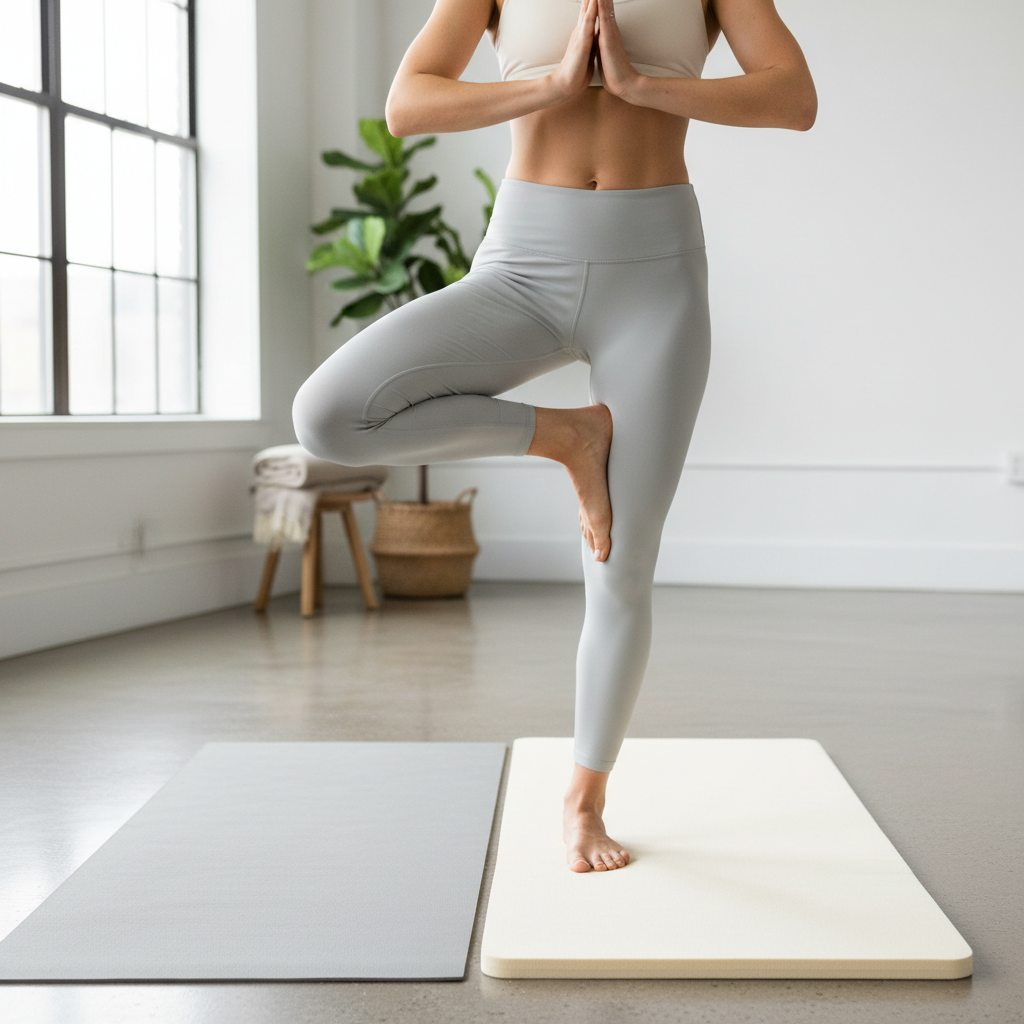
A simple self-checklist (pick your thickness in 2 minutes)
If you want a quick, honest answer, run through these questions and tally where you land.
- Do your knees feel tender in Tabletop, Low Lunge, or Camel? If yes, lean thicker or plan on extra knee padding.
- Do you struggle in balance poses even when you’re not tired? If yes, lean thinner to feel the floor.
- Do you practice on a hard surface like tile, concrete, or very thin carpet? If yes, a mid-to-thicker mat often feels better.
- Do your wrists feel overloaded in Plank and Chaturanga? If yes, consider moderate thickness plus blocks or a teacher check on alignment, wrist pain can have multiple causes.
- Do you carry your mat often on public transit or walking to a studio? If yes, weight and bulk may push you toward 3–5 mm or a thin travel mat.
Rule of thumb: if comfort is your top constraint, move up in thickness, if stability is your top constraint, move down, if both matter, stay in the middle and add a small accessory only where you need it.
Thickness is only half the story: density, material, and surface
This is where people get frustrated, they buy a “thick” mat, yet their knees still hurt, or they buy a thin mat and it somehow feels fine. That’s density at work.
- High density foam feels supportive and compresses less, often more stable at the same thickness.
- Low density foam feels plush but can bottom out under knees and palms, especially for heavier pressure points.
- Material and texture influence grip, which can change how stable thickness feels, especially in sweaty classes.
- Your floor matters: a 5 mm mat on hardwood can feel different than 5 mm on thick carpet.
According to the American Academy of Orthopaedic Surgeons (AAOS), joint discomfort can have many contributors, including mechanics and overuse, so if pain persists, it’s smart to discuss it with a qualified clinician or a physical therapist, instead of assuming gear alone will solve it.
Practical buying scenarios (what to do, step by step)
Here are a few common situations, with a simple plan you can follow without guessing.
If you’re a beginner and want one mat for most classes
- Start at 4–5 mm.
- Test kneeling comfort at home for 5 minutes, if knees feel sharp or bruised, add a folded towel under knees before jumping to ultra-thick.
- If you feel unstable in Warrior III or Tree, avoid 8+ mm early on.
If your knees are the main issue
- Look at 6–8 mm or a supportive 5 mm high-density mat.
- Add targeted padding (knee pad, folded blanket) for poses that trigger discomfort, this often works better than turning the entire mat into a cushion.
- Consider that knee pain may relate to hip/ankle mechanics, a teacher cue can help.
If you travel, commute, or practice outdoors
- Choose a 1–2 mm travel mat, then layer it over studio mats or a thicker home mat.
- For outdoor surfaces, thickness helps, but durability matters too, very soft mats can scuff fast.
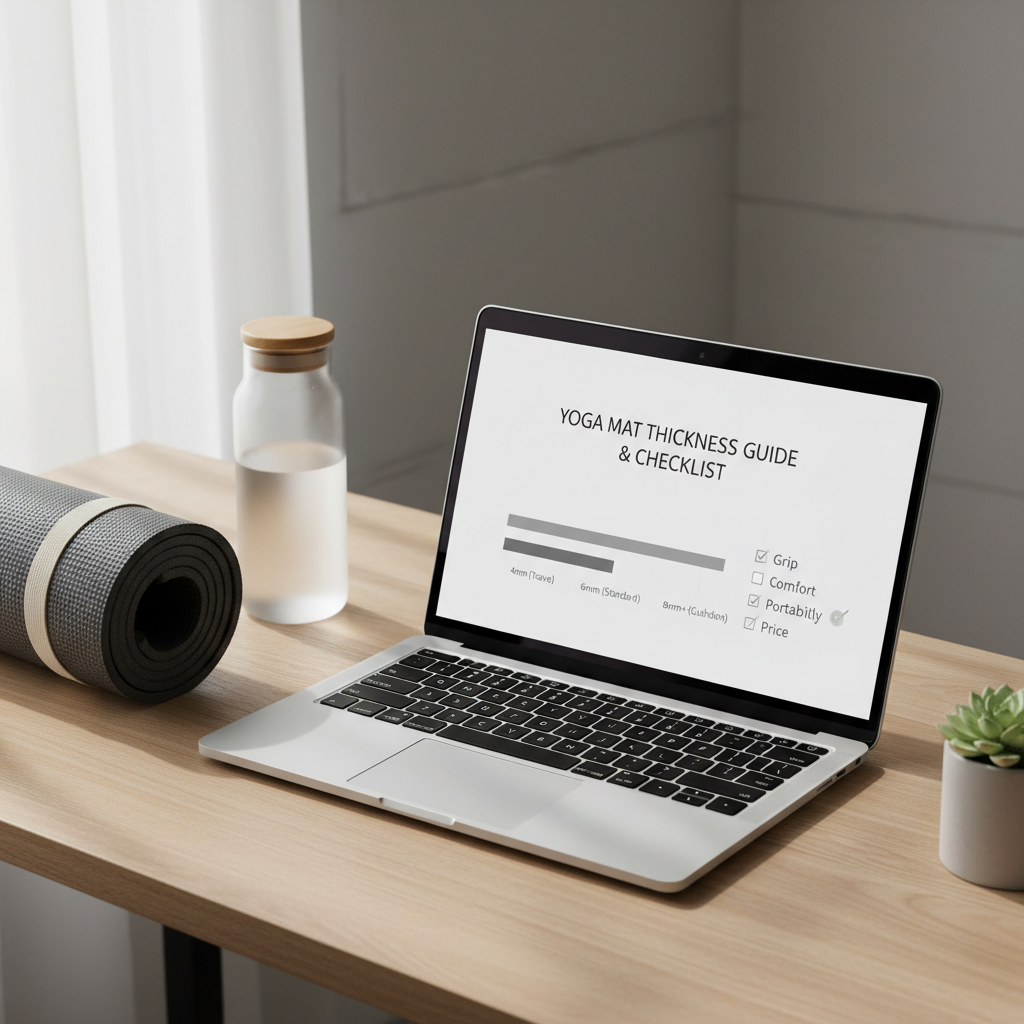
Common mistakes that lead to the “wrong thickness” feeling
- Buying extra thick to fix slipping: slipping is usually a grip and sweat issue, not a thickness issue.
- Choosing ultra-soft for wrist pain: too much give can increase wrist extension demands, many people do better with moderate cushion plus alignment help.
- Ignoring the floor: a mat that feels fine on wood may feel harsh on concrete.
- Only shopping by thickness number: density and top texture can change the experience more than 1–2 mm.
- Assuming discomfort is “normal”: mild sensitivity happens, sharp pain is a signal to modify and, if it continues, consult a professional.
Conclusion: a simple way to decide today
If you want the most broadly useful choice, a 3–5 mm mat fits many U.S. studio classes and home floors, then you customize comfort with a towel, blanket, or knee padding when a pose demands it. If joint sensitivity is your biggest constraint, move toward 6–8 mm, but keep an eye on balance and control.
Your next step can be very practical, list your most common class style, where you practice, and the single body area that complains first, then pick thickness that solves that specific problem. If pain persists or feels sharp, consider asking a teacher for modifications and checking in with a healthcare professional.
FAQ
What yoga mat thickness is best for beginners?
Many beginners do well around 4–5 mm because it balances stability and comfort, if your knees are sensitive, you can add a small pad or go slightly thicker.
Is a thicker yoga mat always better for joint pain?
Not always. Extra thickness can help with pressure points, but if the foam is low density, it may still bottom out, and too much softness can affect alignment. If pain continues, it’s worth consulting a professional.
What thickness is best for hot yoga?
Usually 3–5 mm works well, but traction matters more than cushion in sweaty conditions, many people add a yoga towel or choose a sweat-friendly surface.
Can a thick mat make balancing harder?
Yes, especially at 8 mm and above. The more the mat compresses, the less feedback you get from the floor, which can make standing balances feel wobbly.
Is a 1–2 mm travel mat enough for daily practice?
It can be, but many people prefer layering it on a studio mat or using it for shorter sessions. On hard floors, it often feels too thin for kneeling work.
How do I know if my mat is “too thin” for me?
If your knees, hips, or elbows feel sore after common kneeling poses, or you feel like you’re pressing into the floor, you may need more cushion, a thicker mat or targeted padding can help.
Does thickness affect grip?
Indirectly. Thickness changes how stable you feel, but grip is more tied to surface texture, material, and how you manage sweat, a thinner grippy mat can outperform a thicker slippery one.
Key takeaways
- 3–5 mm fits many practice styles and is a safe starting point.
- 6–8 mm can help with joint sensitivity, but may reduce balance stability.
- Density and texture matter almost as much as yoga mat thickness.
- If discomfort feels sharp or persistent, modifications and professional guidance beat “buying another mat.”
If you’re trying to choose between two thickness options, tell yourself the truth about what you do most often, then buy for that, not the occasional class you take twice a year. Your practice will feel better for it.