
how to wash bike gloves properly starts with one goal, keep the materials stable so grip, padding, and stitching stay intact after the wash.
If you have ever pulled gloves out of the laundry stiff, smelly, or frayed at the cuffs, it usually is not “bad gloves”, it is the combo of hot water, harsh detergent, and aggressive drying. Cycling gloves mix synthetics, leather, gel padding, silicone prints, and hook-and-loop closures, and each reacts differently to heat and agitation.
This guide walks you through a practical routine you can repeat all season, plus a quick decision checklist for “hand wash vs machine wash”, a table of do’s and don’ts by material, and the few mistakes that quietly kill gloves early.
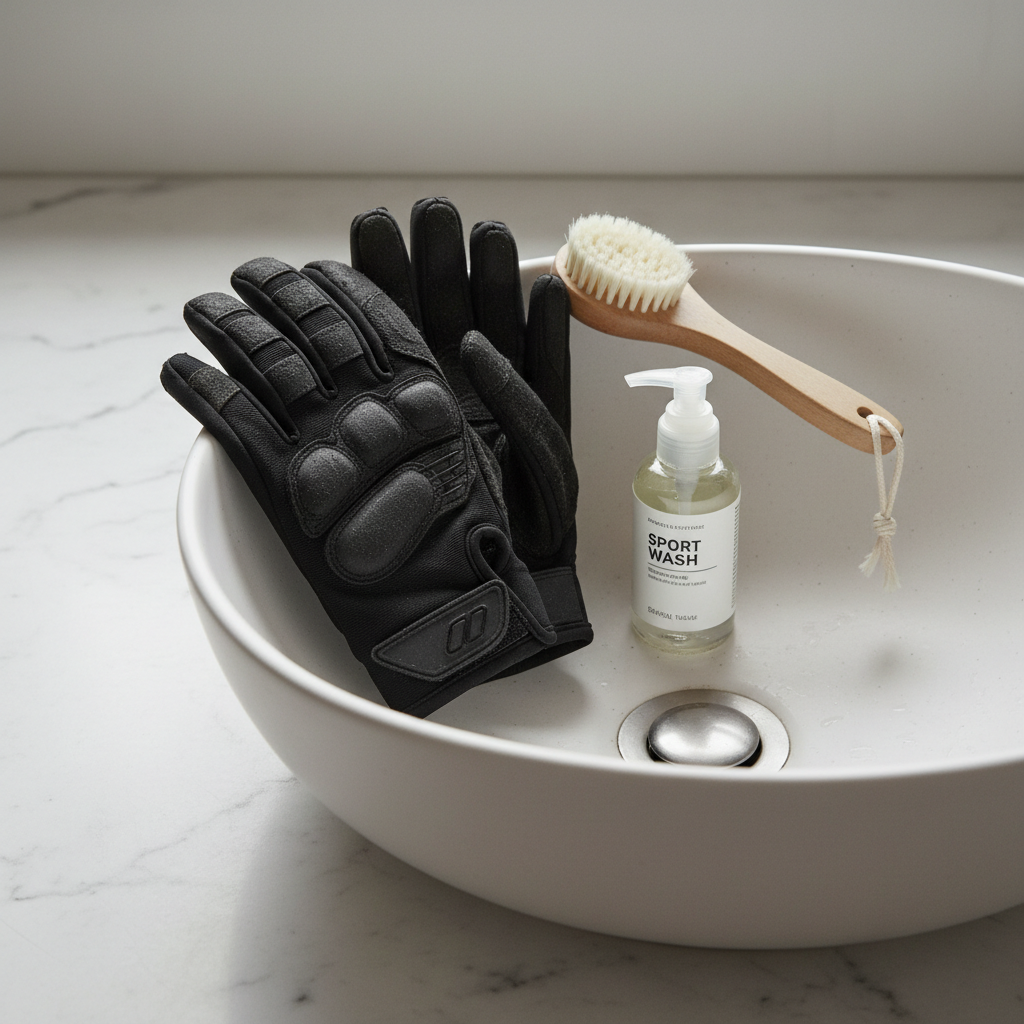
Why bike gloves get damaged in the wash (and what causes the smell)
Most glove damage comes from a few predictable stressors, and the annoying part is that they stack. A slightly warm wash plus a little too much detergent plus a dryer cycle can be enough to change how the palm feels.
- Heat can warp foam or gel, soften adhesives, and shrink some fabrics or leather panels.
- Aggressive agitation can crack silicone grip prints and rough up synthetic leather.
- Too-strong detergents may strip finishes, fade dyes, and leave residue that feels stiff.
- Velcro grabbing everything frays fingertips and pulls stitching when it catches on other laundry.
- Slow drying traps moisture in padding, which often drives the “never-ending” odor cycle.
On smell, it is usually bacteria feeding on sweat residue in warm, damp padding. According to the Centers for Disease Control and Prevention (CDC), cleaning items that come into contact with sweat and skin helps reduce germ buildup, which is a useful framing even for sports gear.
Quick self-check: hand wash, machine wash, or spot clean?
Before you do anything, glance at the care tag if it exists. When it is missing or vague, this quick check gets you close enough to avoid most damage.
Choose hand washing when
- There is real leather (often on palm or finger panels).
- The glove has thick gel pads that feel “floating” or glued in place.
- You see silicone grip prints that already look slightly cracked.
- The glove is expensive, discontinued, or fits you perfectly and you do not want surprises.
Machine wash can be okay when
- It is mostly synthetic fabric and synthetic leather.
- The label allows machine wash, or the brand FAQ says it is fine.
- You can wash cold on a gentle cycle and skip the dryer.
Spot clean is enough when
- The glove is only dusty, no deep sweat smell.
- Only the palm looks dirty from chain grime or bar tape residue.
Step-by-step: how to hand wash bike gloves properly
This is the safest default. It takes 10 minutes of active work, then air-dry time. If you want to wash bike gloves properly without drama, treat it like washing a delicate cap, gentle friction, lots of rinsing.
1) Prep the gloves
- Close all hook-and-loop tabs so they do not snag.
- Shake out grit, then do a quick rinse under cool water.
- If you have heavy grime, dab a drop of dish soap on the palm and rub lightly with your fingers.
2) Use cool water + mild detergent
- Fill a sink or basin with cool to lukewarm water.
- Add a small amount of mild liquid detergent, think “less than you want”. Too much is hard to rinse out of padding.
- Avoid bleach and avoid fabric softener, both can mess with grip and finishes.
3) Gently agitate, do not wring
- Submerge and squeeze the glove like a sponge, especially the palm padding.
- Use a soft toothbrush for seams and finger gussets if needed.
- Skip twisting or hard wringing, that can crease padding and stress stitching.
4) Rinse longer than you think
- Rinse under cool running water until it runs clear.
- Press the palm padding to push suds out, then rinse again.
5) Press-dry with a towel
- Lay gloves flat on a towel, roll, then press.
- Reshape fingers and palm so they dry in their normal form.
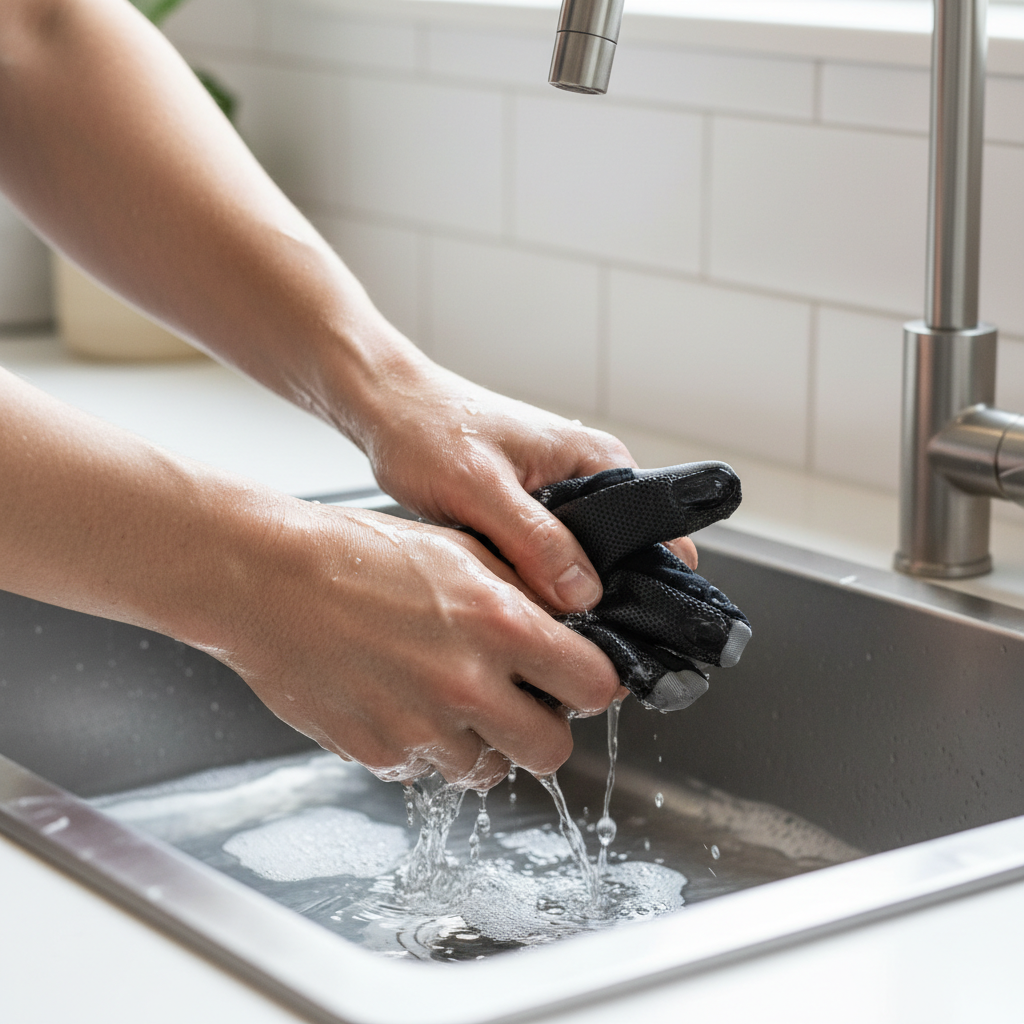
If you machine wash: settings that usually keep gloves safe
Machine washing is not automatically wrong, but it needs guardrails. The goal is to reduce friction and keep heat near zero, because heat is where many “why do my gloves feel weird now” stories begin.
- Cycle: Delicate or gentle.
- Water temp: Cold.
- Spin: Low, if your washer allows.
- Detergent: Mild, small dose, no fabric softener.
- Container: Mesh laundry bag, Velcro closed.
- Load mates: Soft items only, like jerseys or bibs, skip towels, jeans, and anything with zippers.
And one more thing, skip “sanitize” cycles. They sound appealing for odor, but they often add heat. If odor is the issue, it is usually better to pre-soak than to cook the glove.
Drying without damage: what actually works
Drying is where good washing habits get wasted. Many gloves survive the wash, then get flattened by a hot dryer or baked on a vent.
- Best default: Air dry indoors with decent airflow, out of direct sun.
- Speed it up: Place gloves near a fan, or hang them so air reaches the palm padding.
- Shape matters: Smooth the palm and straighten fingers so the glove dries close to its worn shape.
- Avoid: Dryer, hair dryer on hot, radiator, or dashboard heat.
If the inside stays damp for a long time, you can loosely stuff the fingers with a small piece of paper towel for the first hour, then remove it so moisture can escape. Avoid packing it tight, that slows drying.
Material-specific do’s and don’ts (save this table)
Different glove builds want different care. When you are unsure, follow the most delicate component, often leather, silicone print, or glued padding.
| Material / Feature | What to do | What to avoid |
|---|---|---|
| Synthetic fabric (polyester/nylon) | Cold wash, mild detergent, air dry | High heat drying, heavy detergent buildup |
| Synthetic leather palm | Hand wash or gentle cycle in a mesh bag | Hot water, hard scrubbing that pills the surface |
| Real leather panels | Spot clean or gentle hand wash, reshape while damp | Soaking too long, harsh detergents, dryer heat |
| Gel/foam padding | Press-clean, rinse thoroughly, dry with airflow | Wringing, twisting, prolonged damp storage |
| Silicone grip prints | Wash inside out if possible, gentle friction only | High agitation, hot water, abrasive brushes |
| Velcro closures | Close tabs, use mesh bag | Washing open with other garments |
Odor, sweat, and grime: targeted fixes that don’t wreck grip
If the main problem is odor, you are usually fighting residue trapped in padding. There are a few approaches that tend to be gentler than “more detergent”.
Try a pre-soak (gentle, effective for many cases)
- Soak 15–30 minutes in cool water with a small amount of mild detergent.
- Rinse, then do a light hand wash.
Use an enzyme detergent when odor keeps coming back
Enzyme detergents are designed to break down sweat and body oils. They can help on stubborn funk, but do a quick patch test if the glove has leather or delicate prints.
Spot-treat chain grime
- Use a tiny amount of dish soap on the palm, rub with fingertips.
- Rinse immediately, then wash as normal.
According to the American Cleaning Institute, following label directions and using the right amount of detergent helps cleaning performance and reduces residue, which matters a lot for padded gear.

Common mistakes that shorten glove life (even if you “clean them”)
- Throwing gloves in with towels, towel loops increase abrasion and snag Velcro.
- Using fabric softener, it can leave a film that hurts grip and traps odor.
- Drying in direct sun for hours, UV and heat can age fabrics and prints faster.
- Storing damp gloves in a bag, this is how mildew smell becomes permanent.
- Over-scrubbing the palm, especially on synthetic leather, it can pill and get slick.
Key takeaway: If you only change two habits, wash cold and air dry with airflow. That alone usually covers most “without damage” goals.
Conclusion: a simple routine you can repeat
If you want to wash bike gloves properly, keep it cool, keep it gentle, and take drying seriously, most gloves respond well to that. Hand washing stays the safest option for mixed-material gloves, and machine washing works when you control friction with a mesh bag and avoid heat.
Action you can take today, pick one wash method that fits your glove build, then set a drying spot with steady airflow so you do not end up stuffing damp gloves back into a gear bag.
FAQ
How often should I wash cycling gloves?
It depends on heat, sweat rate, and ride length, but many riders do a light wash every 1–2 weeks in peak season, or sooner if odor shows up. Waiting until they smell strong usually means residue has already built up in the padding.
Can I put bike gloves in the dryer on low?
Many cases still risk shrinkage, warped padding, or weakened adhesives, even on low. If the label explicitly allows it you can try, but air drying with a fan tends to be the safer default.
Is it okay to use disinfectant or bleach to remove odor?
Usually not a good idea for gloves, bleach can damage dyes and fibers, and disinfectants may leave residue that affects grip. If you are worried about skin issues or infections, it may be smart to consult a healthcare professional and follow product care guidance closely.
What’s the best way to wash bike gloves properly after a muddy ride?
Rinse grit out first under cool water, because mud acts like sandpaper. Then hand wash with mild detergent, focusing on seams and the palm, and rinse thoroughly so dried mud does not stiffen fabric.
Can I wash full-finger MTB gloves and fingerless road gloves the same way?
The same basic approach works, but full-finger gloves often trap more moisture in fingertips and may need extra airflow to dry fully. Fingerless gloves often have thicker palm padding, so rinse time matters more.
Why do my gloves feel stiff after washing?
Most often it is detergent residue or drying too hot. Re-rinse in cool water, press-dry with a towel, and air dry again, stiffness often improves once residue clears.
Do I need a special sports detergent?
Not always, a mild liquid detergent is fine for many gloves. If odor is persistent, an enzyme detergent can help, but keep the dose modest and rinse well.
Want the low-effort version?
If you are riding a lot and glove care keeps slipping, it helps to set up a small “post-ride wash” routine, a mesh bag, mild detergent, and a consistent air-dry spot. If you would rather keep it even simpler, choose gloves with machine-wash-friendly materials and closures that don’t snag, it usually saves time over the season.