
A good running shoes guide starts with a simple truth: the “best” pair is the one that matches your body, your running, and your comfort, not whatever has the most hype.
If your feet go numb, your arches ache, or your knees complain after a few miles, shoes are often part of the story, even when your training plan looks fine. And if you’re new to running, picking the wrong model can make every run feel harder than it needs to.
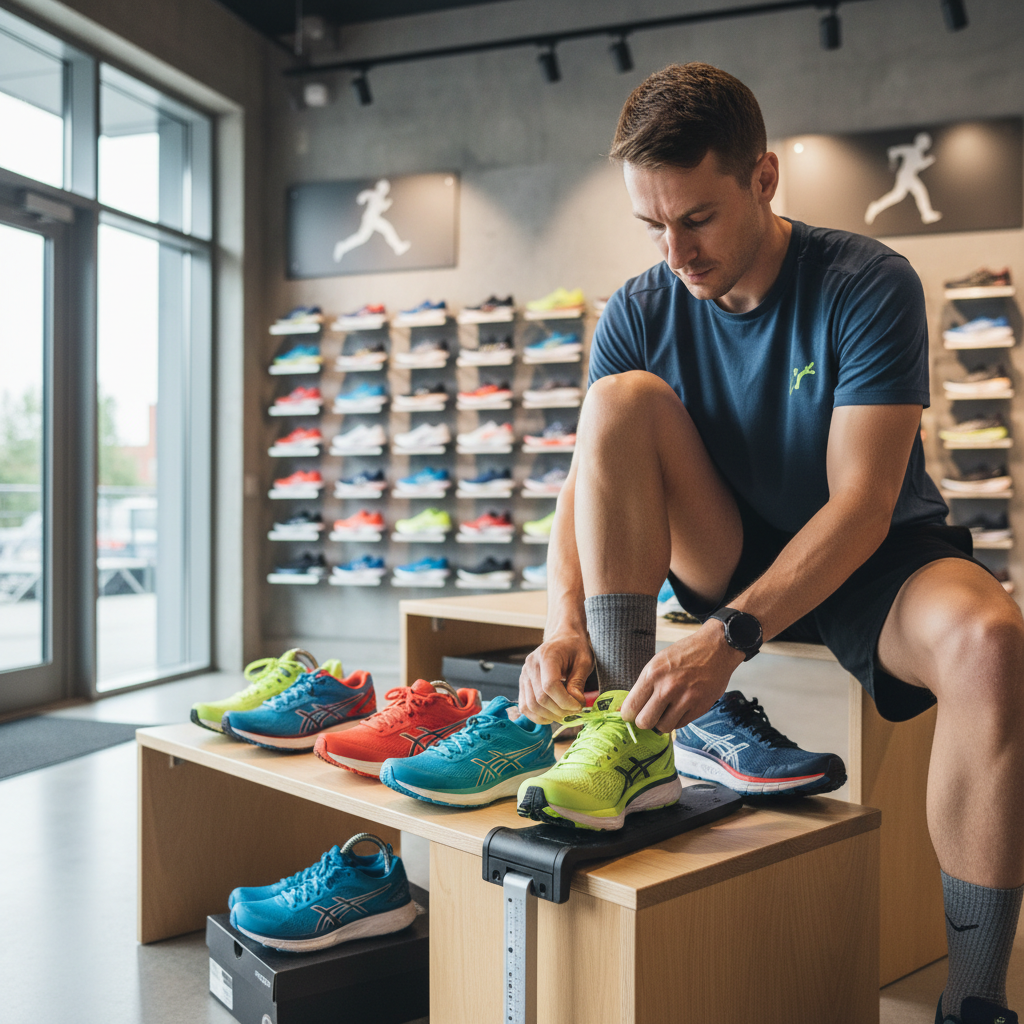
Here’s what we’ll do: get clear on your use case, decode common shoe categories, then walk through a practical fit checklist you can use in a store or when ordering online. I’ll also flag the mistakes that waste money, because most returns happen for predictable reasons.
Start With Your Real Running: Where, How Often, and What Hurts
Before you compare foam types or carbon plates, define your “normal.” Most buying regrets come from choosing for an aspirational version of yourself, not the runner you are this month.
- Surface: road, treadmill, track, light gravel, technical trail.
- Frequency: occasional 2–3 mile runs versus consistent weekly mileage.
- Goals: easy runs, long runs, speed work, racing, walking-to-running.
- History: recurring hotspots, blisters, Achilles tightness, shin discomfort.
If pain is sharp, worsening, or changes your gait, it’s worth treating shoes as only one variable. You may want to check in with a qualified clinician. According to American Academy of Orthopaedic Surgeons (AAOS), persistent foot or ankle pain should be evaluated by a medical professional, especially when it affects daily activity.
Understand the Main Shoe Types (So You Don’t Buy the Wrong Tool)
Most brands use different names, but the buckets stay similar. Use these categories as guardrails, not rigid rules.
Daily trainers
Your workhorse pair. Usually balanced cushioning, durable outsole, stable ride. For many runners, this is the safest place to start.
Max-cushion shoes
More foam underfoot, often softer feel. Great for easy miles and recovery days, but too-soft models can feel wobbly for some people, especially on sharp corners.
Stability shoes
Built to reduce excessive inward roll and add guidance. These can help some runners feel more controlled, but not everyone needs them, and “stability” varies a lot by brand.
Trail running shoes
More traction and protection for uneven terrain. If you mostly run pavement, trail lugs can feel noisy and stiff.
Tempo/racing shoes
Lighter, often stiffer, sometimes with a plate. Fun and fast, but not always the best daily choice if you’re building durability or have a history of calf/Achilles sensitivity.
Fit Comes First: A Quick Checklist That Prevents Most Problems
You can follow every review online and still get it wrong if the fit misses. This running shoes guide section is the one I’d print and bring with you.
- Toe room: you typically want about a thumb’s width in front of the longest toe.
- Width: no pinching at the forefoot, toes can splay a bit when you stand.
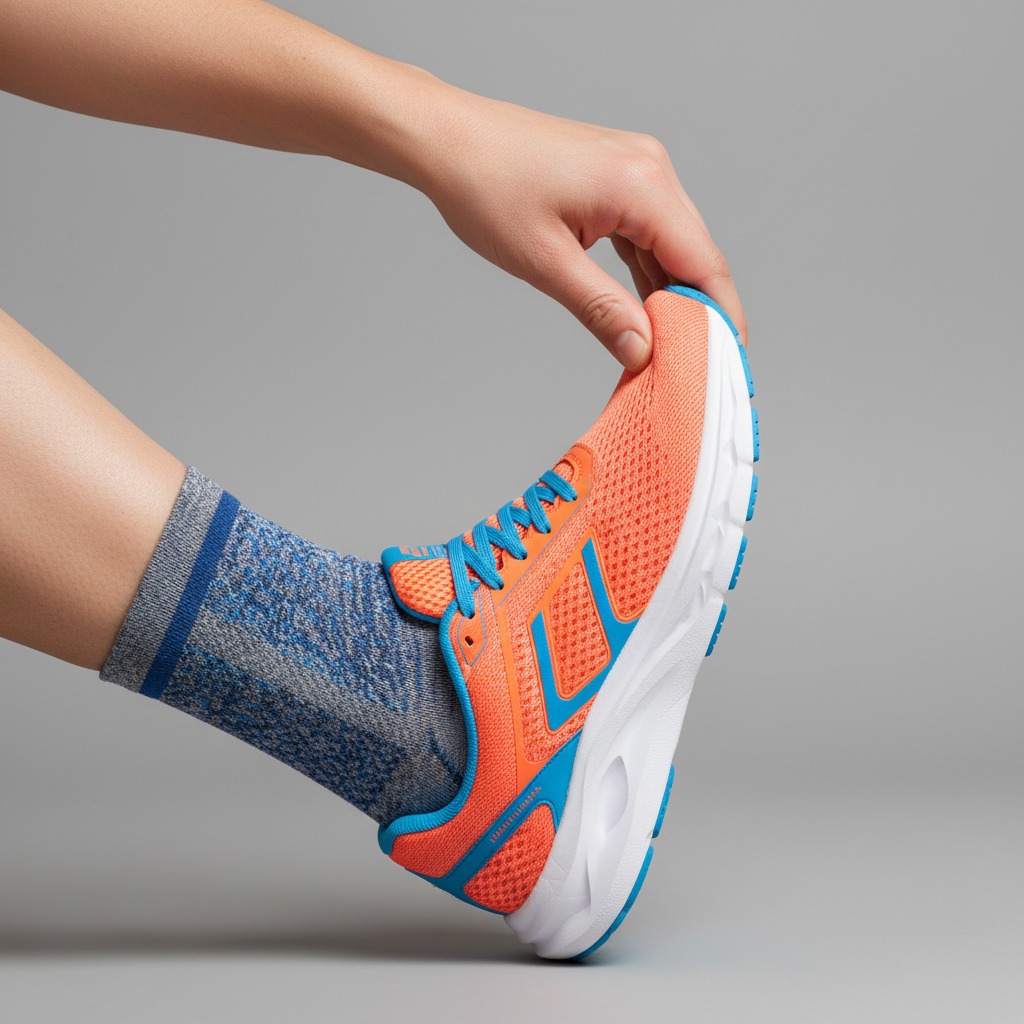
- Heel lock: heel stays put with minimal lift when you walk or jog.
- Midfoot feel: snug, not crushing; pressure on the top of the foot is a red flag.
- Hotspot scan: notice any rubbing right away, it rarely “breaks in” the way you hope.
Try shoes later in the day if possible, feet often swell a bit. Wear your usual running socks, and if you use orthotics, bring them.
Use This Table to Match Shoe Features to Common Needs
Specs can help, but only when you connect them to what you feel on runs. Here’s a practical mapping.
| What you notice | What to look for | What to be cautious about |
|---|---|---|
| Forefoot feels cramped, blisters on pinky toe | Wider toe box, available wide sizing | Sizing up too much (heel slip) |
| Heel rubbing or slipping | Secure heel counter, better lacing options | Over-tightening and causing top-of-foot pain |
| Knees feel beat up after easy runs | More cushioning, smoother rocker | Very soft foam that feels unstable |
| Arch or inside ankle feels strained | Mild stability features, supportive upper | Overcorrective stability that feels forced |
| Calves/Achilles feel tight | Moderate drop, gradual transition | Sudden shift to very low-drop shoes |
| Running on trails, slipping on dirt/rocks | Trail lugs, rock protection, secure upper | Using aggressive lugs on pavement daily |
How to Test Shoes (In-Store and at Home) Without Overthinking It
Most people stand in a shoe, feel “fine,” then discover issues at mile three. Testing should mimic running, even briefly.
In a store
- Walk briskly, then do a light jog if the store allows.
- Try a few quick turns, instability shows up fast.
- Compare two sizes if you’re in between, don’t assume your casual size.
At home (for online orders)
- Keep tags on and test indoors on clean flooring.
- Lace them like you would for a run, including heel-lock lacing if needed.
- Pay attention to pressure points right away, your feet usually don’t “adapt” to hard rubbing.
If you’re rotating shoes, remember that each model can load your legs differently. That can be a plus, but it’s also why a new pair sometimes makes you sore in a new spot for a week or two.
Common Mistakes That Make People Hate Their New Shoes
This is the part that saves money. A lot of “bad shoe” stories are really buying and transition errors.
- Buying for looks or hype: great colorways don’t fix poor fit.
- Assuming you “need” stability: some runners do, many don’t, and comfort matters.
- Switching drop or stiffness too fast: calves and feet may complain, even if the shoe is high quality.
- Ignoring socks: thick cotton socks can create friction and heat; performance socks often help.
- Chasing “minimalist” without a plan: it can work for some runners, but transitions tend to be slow.
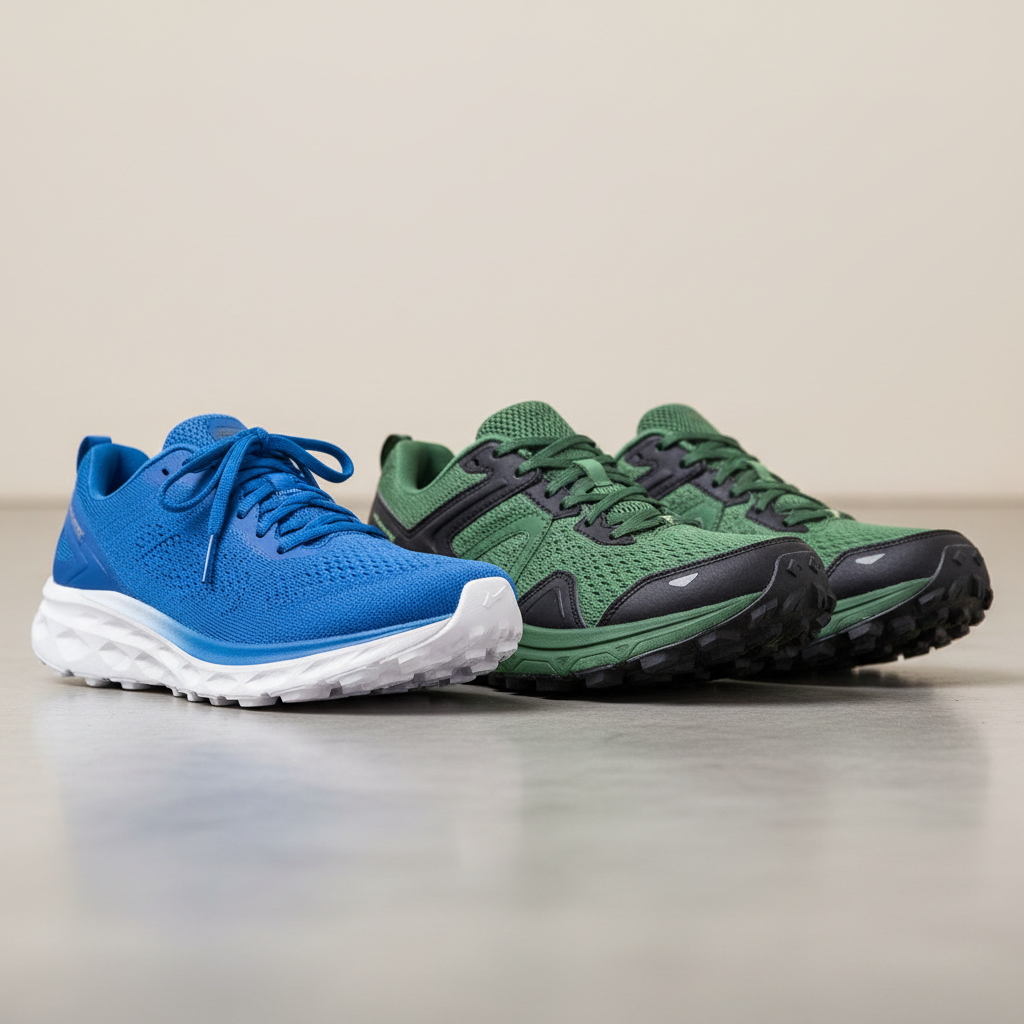
Also, don’t expect a single pair to cover everything. Many runners end up happier with a simple two-shoe setup: one daily trainer, one lighter shoe for faster days or a trail option for weekends.
Practical Buying Plan: 15 Minutes to a Confident Choice
If you want a straightforward process, use this sequence. It’s basically a running shoes guide you can run on autopilot.
- Step 1: Pick category by surface and goal (daily trainer is the default).
- Step 2: Choose fit first (length, width, heel hold), ignore marketing for a minute.
- Step 3: Narrow to 2–3 options that feel comfortable immediately.
- Step 4: Do a short test jog, check for rubbing and wobble.
- Step 5: Plan your transition, especially if the shoe feels very different from your current pair.
Key takeaway: when two shoes feel similarly comfortable, choose the one that feels more stable and “easy” at your normal pace, that’s usually the pair you’ll actually wear.
Conclusion: The “Best” Running Shoes Are the Ones You’ll Use Consistently
Most runners don’t need a perfect shoe, they need a pair that fits well, matches their typical routes, and stays comfortable past the first couple miles. If you keep the fit checklist tight and choose the right category, you avoid most common pitfalls.
If you want one action today, grab your current shoes and check where they rub and where the outsole wears down, then use that info when you try your next pair. Your feet leave clues, you just have to look.
FAQ
How do I know if I need stability running shoes?
If you consistently feel wobbly, collapse inward a lot, or your ankles feel overworked, mild stability can help. But comfort and control matter more than labels, so try both neutral and stability models and compare how your stride feels.
Should running shoes feel tight or roomy?
They should feel secure at the heel and midfoot, with enough room up front for toes to spread. Tight forefoot pressure often becomes numbness or blisters once you heat up.
Is it okay to size up for running shoes?
Often, yes, many runners go up about half a size from casual shoes, but it depends on brand and foot shape. Too much extra length can cause heel slip, so confirm heel hold before committing.
How many miles do running shoes usually last?
It varies by runner weight, form, and surfaces. A practical approach is watching for new aches, loss of bounce, or obvious midsole creasing, rather than relying on one universal number.
Can I use trail running shoes on the road?
You can, but aggressive lugs may feel stiff and wear faster on pavement. If your runs are mostly road with occasional dirt, look for light-trail or “door-to-trail” models.
Do I need different running shoes for speed workouts?
Not required, especially for newer runners. A lighter tempo shoe can feel snappier, but a comfortable daily trainer can handle speed sessions just fine until you know your preferences.
Are expensive running shoes always better?
Price often reflects materials and design, but it doesn’t guarantee a match for your foot. A moderately priced shoe that fits well usually beats a premium model that creates hotspots.
If you’re trying to narrow options fast, a short list based on your surface, typical distance, and any recurring discomfort can make shopping less exhausting, and if you can visit a specialty running store, their fit process often helps you confirm what “right” feels like before you spend.