
Jump rope cardio is one of the fastest ways to spike your heart rate with almost no equipment, but the “best” rope for fat loss depends on how you move, where you train, and what keeps you consistent.
Most people quit jump rope for a simple reason, they buy a rope that fights them. Too light, it tangles. Too heavy, it wrecks their forearms. Too short, they clip every other jump and think they “can’t do it.” The rope matters more than people admit.
This guide breaks down what to look for, which rope type fits different cardio goals, and how to set up short sessions that still feel like real training. I’ll also call out common mistakes that waste time, and when to slow down for safety.
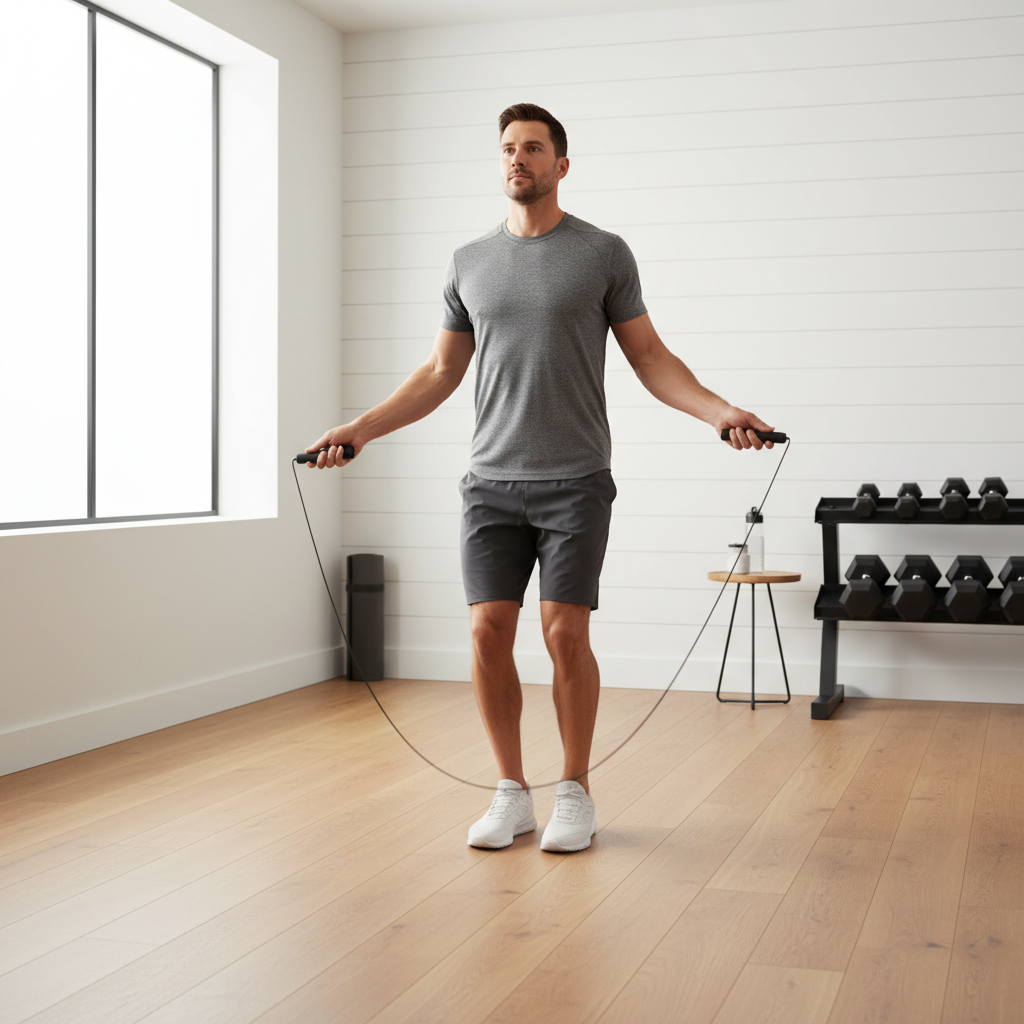
What makes a jump rope “best” for cardio and fat loss
For fat loss, the rope is mostly about staying in the zone, meaning you can keep a steady rhythm, recover quickly, and train often enough to matter.
- Consistency beats intensity spikes, a rope that feels smooth makes it easier to stack 15–25 minute sessions.
- Feedback helps, a rope with some weight gives you timing, especially if you’re not advanced.
- Joint comfort matters, if your shins and calves flare up, you won’t keep going, even if the rope is “fast.”
According to the American Heart Association, adults typically benefit from regular moderate-to-vigorous aerobic activity each week, jump rope can fit that bucket when you dose it realistically and progress gradually.
Jump rope types compared (and who they’re for)
The fastest way to pick a good rope is to match the rope to your current skill and your main training setting. Here’s a practical comparison.
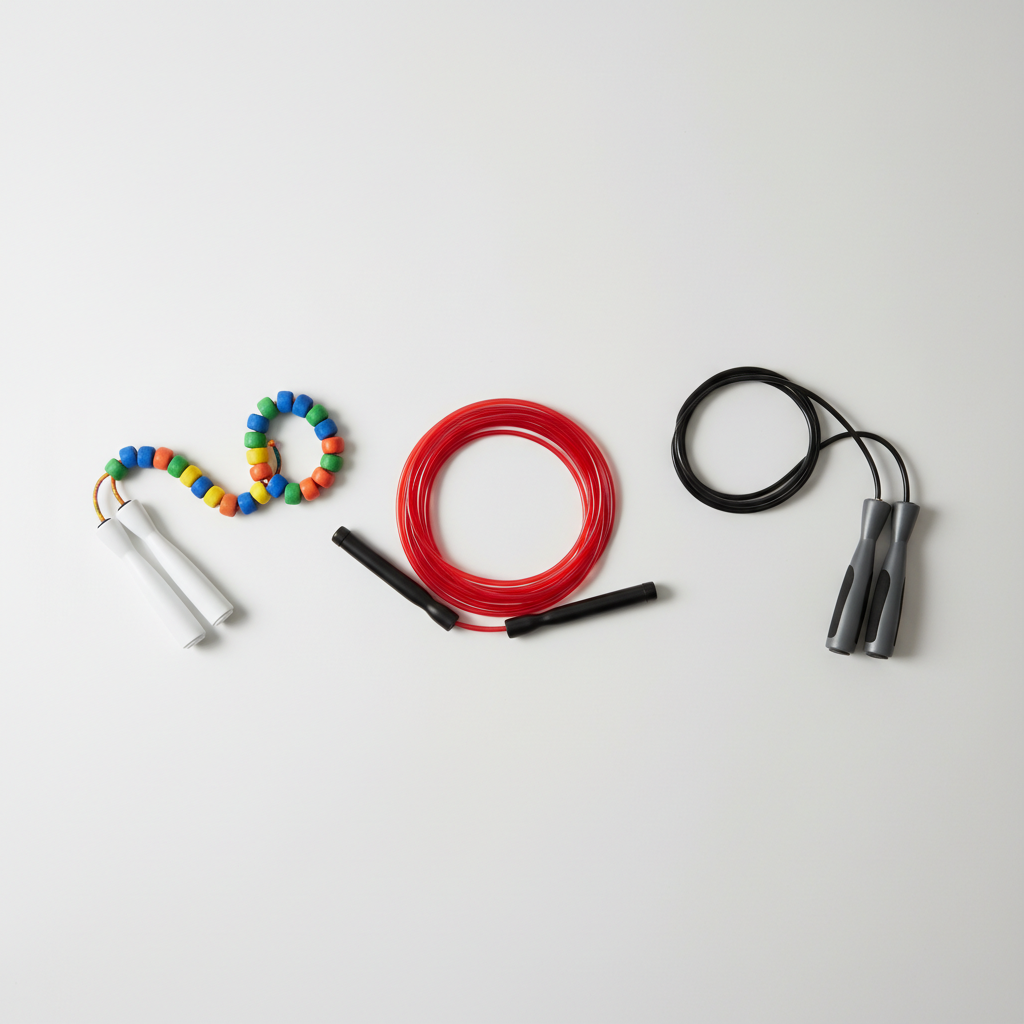
| Rope type | Best for | Pros | Watch-outs |
|---|---|---|---|
| PVC speed rope | Most beginners to intermediate | Smooth swing, affordable, good rhythm | Can kink if stored poorly, needs space |
| Beaded rope | Beginners, coordination, outdoor | Great feedback, durable, less tangling | Not the fastest for double-unders |
| Weighted rope (light to moderate) | Short, hard intervals and conditioning | Higher perceived effort, strong feedback | Forearm fatigue, can irritate elbows if overused |
| Cable rope (wire) | Advanced speed work | Very fast, efficient for skills | Less forgiving, painful whip if you miss |
| Cordless “ball” rope | Travel, tiny spaces | No tripping, easy indoors | Timing differs from real rope, less carryover |
If you want one safe default for jump rope cardio, a PVC rope or a beaded rope is usually the most frustration-free choice.
How to choose the right rope (length, handles, and weight)
1) Length: the quickest setup that actually works
Length issues cause most “I’m terrible at this” moments. A common starting point is standing on the middle of the rope and bringing handles upward, many people aim for handles around lower chest or armpit height. But your shoulder mobility and style change the ideal length.
- If you keep catching the rope, consider going slightly longer while you learn.
- If the rope slaps the floor hard and feels slow, consider shortening.
- If you jump high to clear it, length may be too short, or you’re spinning with arms instead of wrists.
2) Handle spin and grip
For cardio sessions, handle comfort is underrated. Look for a grip that won’t rotate in sweaty hands, and a spin that feels smooth without needing a death-grip.
3) Weight: enough feedback, not so much it breaks you
A little rope weight often improves timing and reduces random trips. Heavy ropes can be useful, but if your goal is fat loss, they should not turn every session into an elbow and shoulder stress test.
- Newer jumpers often do well with beaded ropes or standard PVC.
- If you already have clean basic jumps, a lightly weighted rope can make intervals feel more productive.
Quick self-check: which rope should you buy?
If you want the short answer, use this checklist and pick the first match that sounds like you.
- You’re brand new, trip a lot: beaded rope or thicker PVC, slightly longer length to start.
- You want steady sweat sessions: PVC rope with comfortable handles, focus on rhythm.
- You train outside on rough ground: beaded rope holds up better than thin cable.
- You’re chasing speed and skills: cable rope, only if your basics are solid.
- You want more upper-body involvement: lightly weighted rope, used 1–2 times per week, not daily.
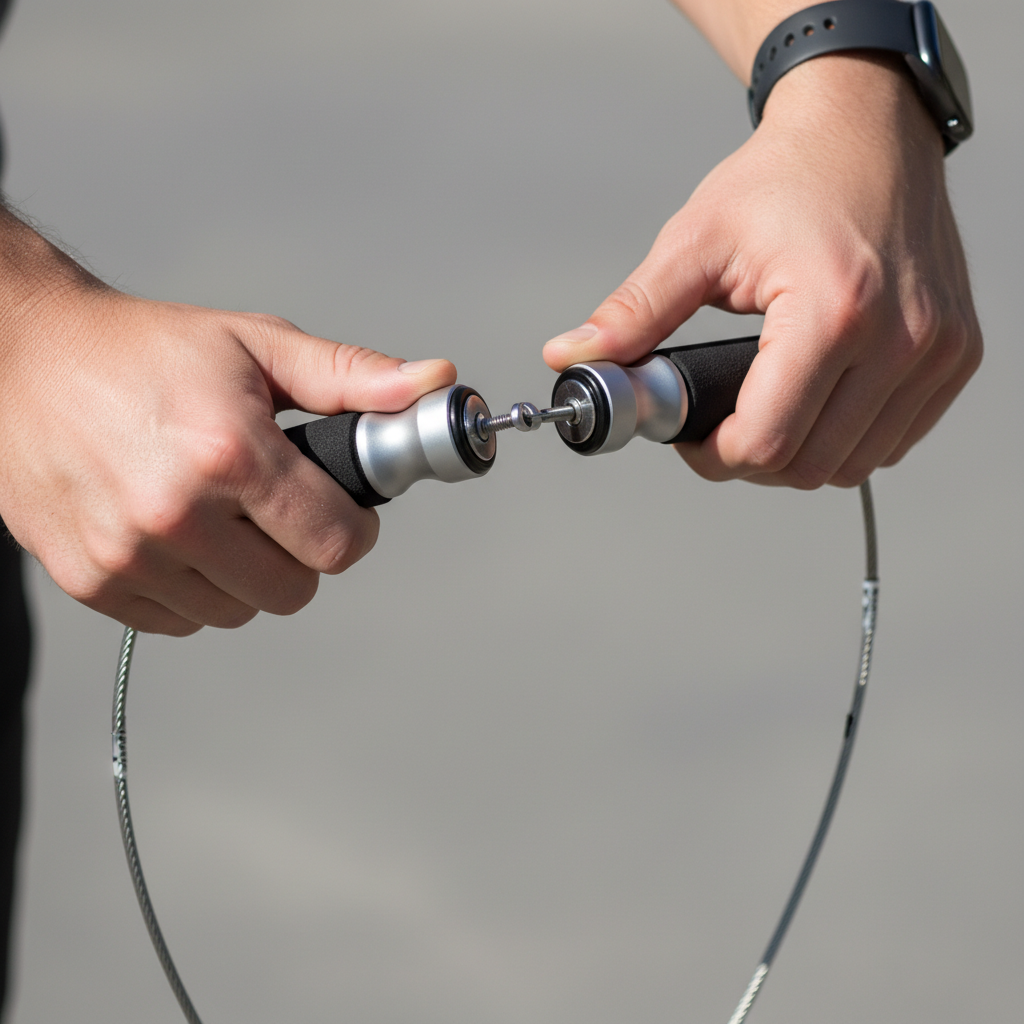
One more honest filter, if you hate fiddling with tools, buy an adjustable rope or one with easy length settings. The “perfect” rope that stays uncut in a bag does nothing for your cardio.
Practical jump rope cardio workouts for fat loss (beginner to advanced)
Fat loss comes from an overall calorie deficit, but workouts still matter because they raise energy output, protect fitness, and make the plan easier to stick with. These sessions are simple on purpose.
Workout A: “Just get consistent” (beginner, 12–18 minutes)
- Warm-up: 3 minutes brisk walk or marching in place
- 8–10 rounds: 30 seconds easy jumps + 60 seconds walk/rest
- Cool-down: 2–3 minutes slow breathing and calf stretch
If you can hold a conversation in short phrases, you’re likely in a sustainable effort range. Don’t chase misery on week one.
Workout B: Steady intervals (intermediate, 15–25 minutes)
- Warm-up: 4 minutes, mix single bounces and boxer step
- 10 rounds: 45 seconds jump + 30 seconds easy bounce/rest
- Finish: 3 minutes easy pace
This is where jump rope cardio shines, you get repeated heart-rate lifts without needing long runs.
Workout C: Conditioning punch (advanced, 10–16 minutes)
- Warm-up: 4 minutes progressive pace
- 6–8 rounds: 20 seconds hard + 40 seconds easy
- Optional: 2 minutes steady pace to finish
Hard should feel controlled, not reckless. If your form collapses, it’s no longer good conditioning, it’s just tripping faster.
Technique tweaks that make sessions feel easier (and safer)
People assume jump rope is all “calves,” but efficiency is mostly timing and posture.
- Jump low, think quiet feet, your ankles do small springy work.
- Hands slightly forward, if hands drift wide, the rope shortens and you clip your toes.
- Spin from wrists, big arm circles waste energy and tire shoulders.
- Use a forgiving surface, rubber gym flooring or a mat often feels better than concrete.
According to the American Council on Exercise (ACE), proper technique and gradual progression help reduce overuse risk in cardio training, that guidance applies here too, especially if you’re ramping up quickly.
Common mistakes that stall fat loss (even if you jump a lot)
Some issues look like “cardio problems,” but they’re really planning problems.
- Going all-out every time: you end up sore, skip days, and weekly volume drops.
- Buying a rope built for someone else: speed cable when you need feedback, heavy rope when your elbows already complain.
- Ignoring recovery signals: Shin Splints, Achilles irritation, and plantar fascia pain often show up when volume jumps too fast.
- Using jump rope as permission to out-eat: easy to do, especially with high-intensity sessions that spike appetite.
If your goal is fat loss, make the plan boring in a good way, 3–5 sessions weekly, moderate effort most days, then a harder day if you recover well.
When to slow down or ask a professional
If you have a history of ankle, knee, or Achilles issues, or you feel sharp pain instead of normal muscle fatigue, it’s smart to pause and consider a clinician or physical therapist. The same goes if you’re pregnant, managing a heart condition, or returning after a long break, many people still train, but the right progression is very individual.
A simple rule that works in many cases, if discomfort changes your gait or lingers beyond a day or two, treat that as a signal to reduce impact, swap in low-impact cardio temporarily, and rebuild gradually.
Key takeaways (so you can buy once and start)
- PVC or beaded ropes cover most needs for fat-loss focused cardio.
- Length and comfort matter more than “cool” features, get those right before chasing speed.
- Use interval structures that let you repeat sessions weekly, consistency drives results.
- If joints complain, adjust surface, volume, and rope choice, don’t just push harder.
If you want a clean next step, pick a rope type from the checklist, set the length, and run Workout A for 7–10 days, then progress to longer work intervals.
FAQ
What is the best jump rope cardio rope for beginners trying to lose weight?
Most beginners do well with a beaded rope or a thicker PVC rope because the extra feedback helps timing. The “best” choice is the one you can use 3–5 days a week without getting frustrated or beat up.
Is a weighted jump rope better for fat loss?
It can increase perceived effort, which some people like, but heavier is not automatically better. If it makes your elbows or shoulders ache, your weekly training consistency often drops, and that hurts results more than the extra burn helps.
How long should jump rope cardio workouts be for fat loss?
Many people see good progress with 10–25 minute sessions, depending on intensity and recovery. If you’re new, shorter sessions done more consistently usually beat one long session that wipes you out.
Can jump rope replace running for cardio?
For many folks, yes, it can cover a lot of aerobic conditioning. But impact tolerance varies, if running feels fine and you enjoy it, you don’t need to replace it, you can rotate both to manage stress.
Why do I keep tripping even with the “right” rope length?
Often it’s hand position and wrist control, not length. Hands drifting wide effectively shortens the rope, and big arm circles throw off timing; a few technique tweaks usually fix this faster than buying another rope.
What surface is safest for jump rope cardio?
A slightly forgiving surface like rubber gym flooring or a jump rope mat is often easier on joints than concrete. If you’re training outdoors, consider a more durable rope and keep volume conservative at first.
How do I progress jump rope cardio without shin splints?
Increase total jumps or work time gradually, keep jumps low, and rotate in lower-impact cardio if your lower legs feel overloaded. If pain persists, it’s worth checking in with a professional to rule out an overuse injury.
If you’re trying to make jump rope cardio your main fat-loss tool and want a more “set it and follow it” setup, it can help to choose a rope that matches your space and skill, then use a simple interval plan you can repeat weekly, less guesswork, more sessions that actually happen.